


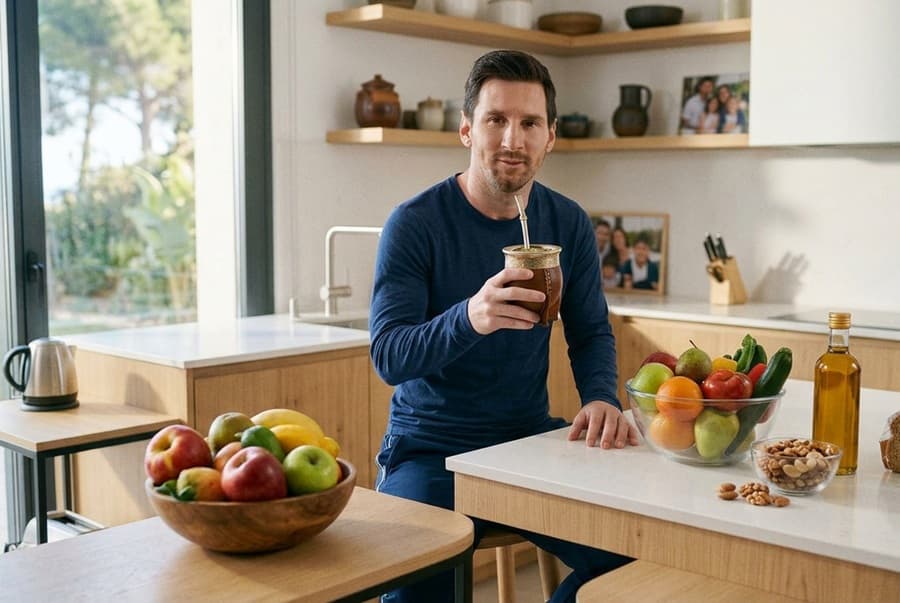
Lionel Messi, 39, is still doing what very few forwards in football history have, playing at a peak level year in, year out. The Argentine captain is not showing signs of waning explosiveness and consistency that many attacking players experience after the early 30s. It has inevitably raised a familiar question that, what is keeping Messi going?
It's not a costly supplement or a magic superfood, contrary to popular opinion. Rather, most of Messi's shift stems from reducing his diet to its simplest components and discarding practices that didn't help him perform at that level.
The big change occurred after the 2014 FIFA World Cup, when Messi collaborated with Italian sports medicine specialist Giuliano Poser.
Poser advised him to shift to a whole-food, minimally processed diet, rather than a restricted diet, by reducing his intake of added sugar, sugary beverages, and refined flour. In the long run, one of the most important things to do for long-term performance is to reduce sugar intake, Poser once told The Independent.
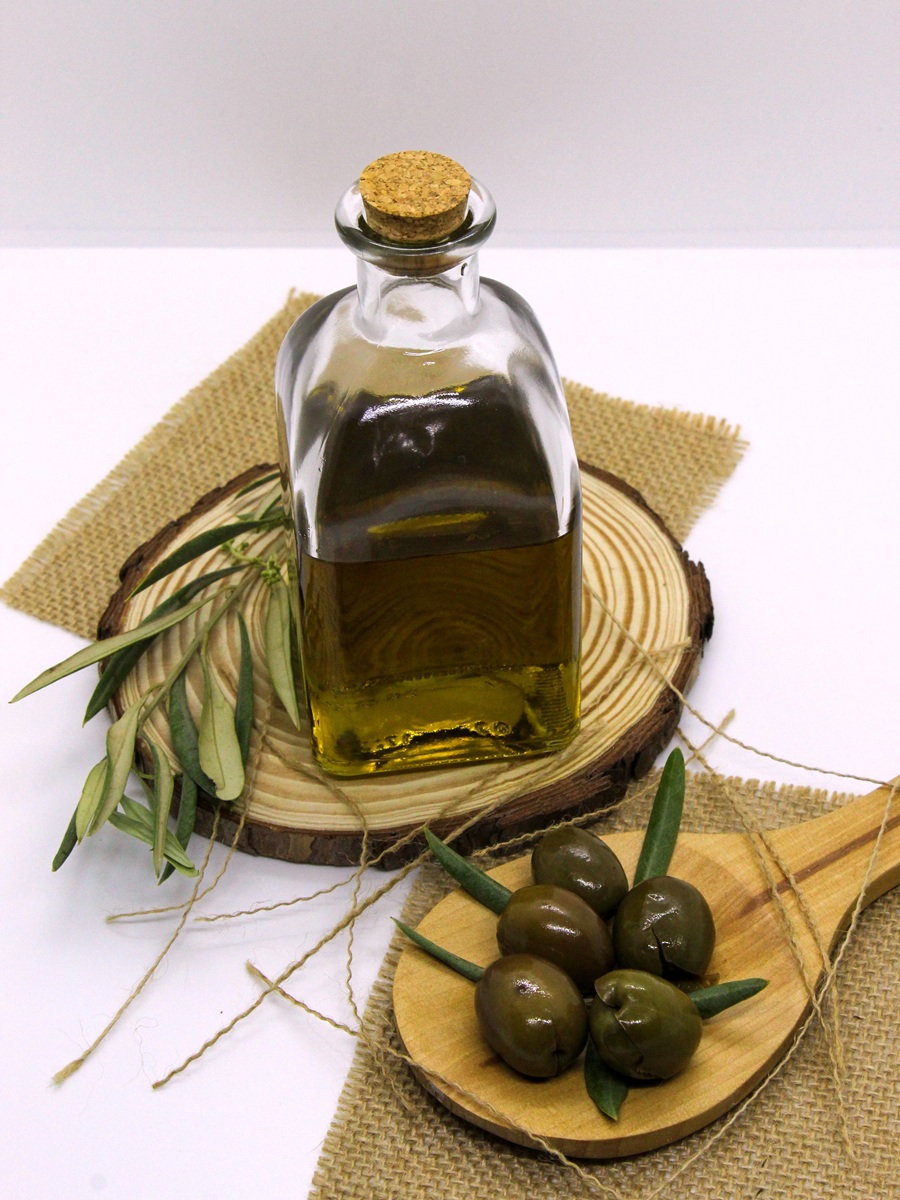
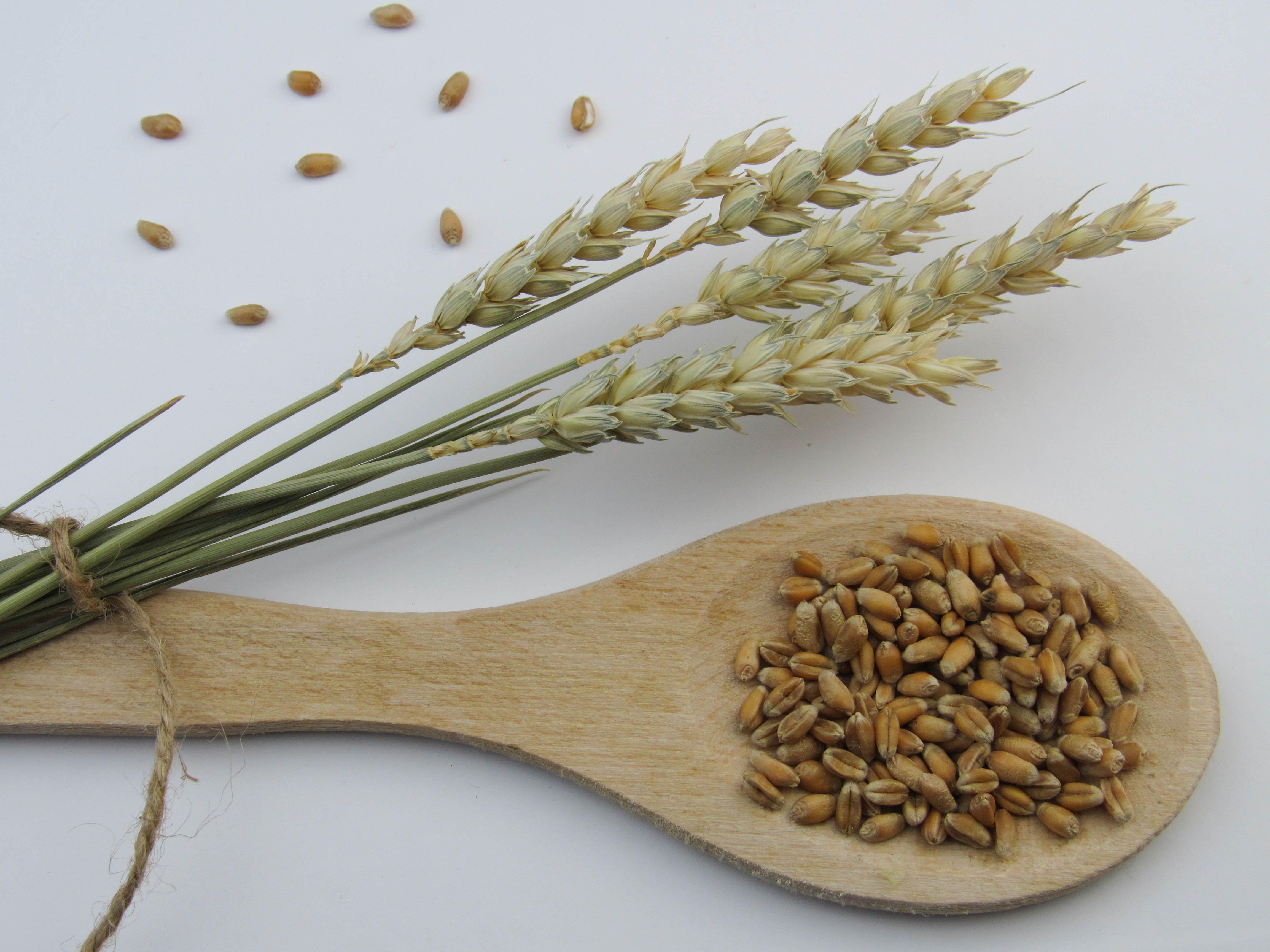
The foods that substituted for them were very plain. It was a turnaround from water, extra-virgin olive oil, whole grains, and fresh fruits and vegetables, which were decided to be Messi's daily meals.
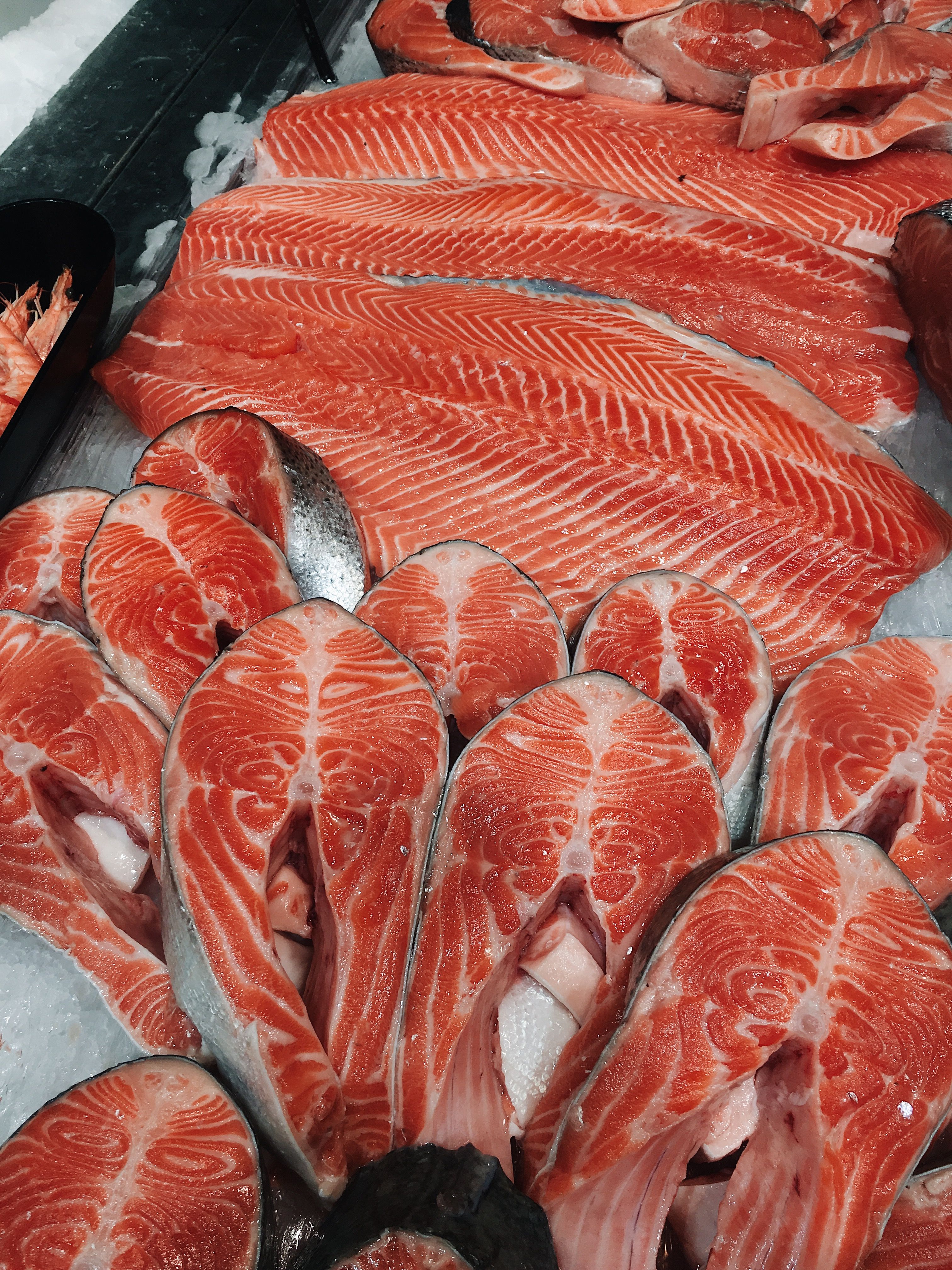
To support recovery after training and matches, fish, eggs, high-quality meat, nuts, and seeds were also provided as sources of high-quality protein, healthy fats, and essential micronutrients.
Messi's diet is not a fad diet like many found on social media but aligns with years of research by sports nutritionists. Whole grains replenish glycogen, the body's primary fuel during high-intensity activities.
Fruits and vegetables can help to repair the body from repeated physical stress by containing antioxidants, and protein helps repair muscles.
Other healthy fats include olive oil and nuts, which also support heart health and reduce inflammation.
Messi has never claimed that athletes have to eat right. He still enjoys traditional Argentine dishes, including asado, and has spoken about his love for foods such as pizza.
The discrepancy is in balance. The nutrition plan he follows is realistic and sustainable in the long term, as his favourite foods are still occasional indulgences.
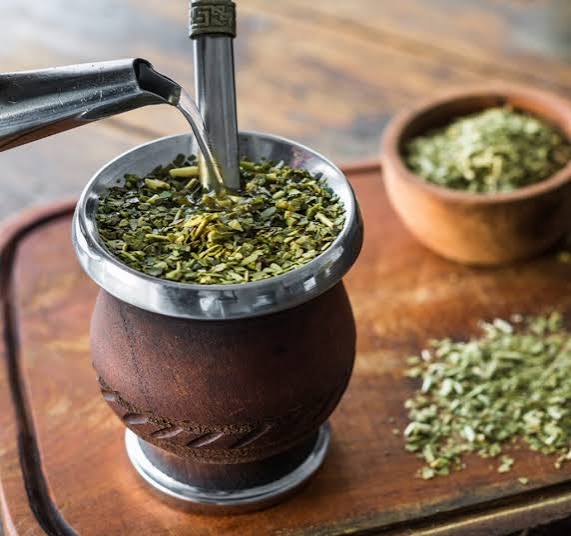
Still another staple of Messi's habits is yerba mate. This traditional South American herbal tea has been a staple of Argentine culture for generations. It has a natural level of caffeine and antioxidants. Still, no single drink would be enough to account for athletic success, nutritionists warn. A consistent diet overall is much more significant than any particular food or beverage.
Nutrition is not the only reason for Messi's incredible longevity. Quality sleep, adequate hydration, recovery time, individual training plans, and smart playing-time management are becoming increasingly essential in modern football. These combine to create a safer playing experience and enable the experienced player to play for much longer than most other players.
Maybe that's the most important thing Messi has learned. He didn't find the secret formula to become what he is now. He just changed his poor eating habits to better ones and stuck to them for years. In anything as serious as a sport as demanding as the Olympics, shortcuts are not the key to success, just as they're not the key to success in everyday life. Most often, it is simply the cumulative effect of tiny, focused decisions made every single day.