


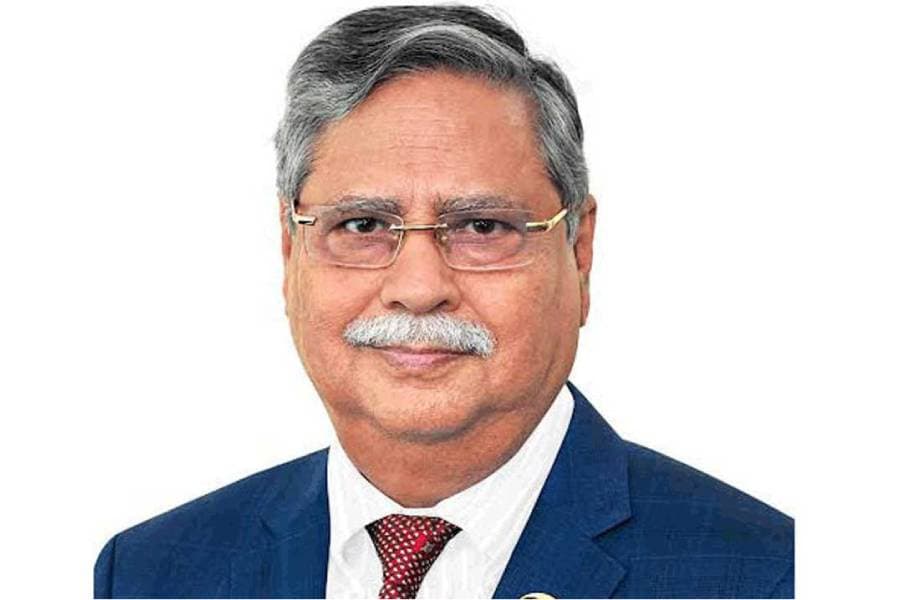
Former president Mohammed Shahabuddin remains entitled to a range of state benefits after stepping down, including a pension, healthcare and official protocol privileges.


Under the President’s Pension, Gratuity and Other Benefits Act, 2016, a president who has served at least six months, whether completing their term or resigning, qualifies for these retirement benefits.
Shahabuddin resigned on Friday, ending days of speculation, nearly two years before the end of his five-year term.
Speaker Hafiz Uddin Ahmad accepted the resignation and will serve as acting president, according to an official announcement.
In his resignation letter, Shahabuddin cited ill health and the need for long-term medical treatment.
A former Anti-Corruption Commission commissioner, Shahabuddin assumed office on Apr 24, 2023, during the Awami League government’s tenure.
His presidency was upended 16 months later when a student-led mass uprising forced then prime minister Sheikh Hasina from office and prompted her to flee to India.
Shahabuddin remained in office after the political transition before stepping down on Friday with about 21 months left in his term.
Financial Benefits
A former president is entitled to a monthly pension equivalent to 75 percent of the last basic salary. Based on the current presidential basic salary of Tk 120,000, the monthly pension amounts to Tk 90,000.
However, if the individual already receives a pension from a previous government position, they may choose either that pension or the presidential pension, but not both.
Instead of a monthly pension, a former president may opt for a one-time gratuity by notifying the appropriate authority within one month of retirement.
If a former president dies without claiming the pension, the law presumes that the individual chose the gratuity. In that case, the nominated beneficiary or legal heirs—including a spouse, parents or children—become entitled to receive it.
Official, Protocol Privileges
Former presidents are provided with a personal assistant and an attendant to support official and personal duties, along with government-funded office expenses.
They are also entitled to government medical facilities equivalent to those available to a cabinet minister.
Other benefits include a diplomatic passport, a telephone connection at their residence with subsidised bills, free accommodation at government circuit houses and rest houses during domestic travel, and access to government vehicles for official functions.
When Benefits Can Be Withdrawn
The law provides exceptions to these benefits if a former president later assumes another office that carries a salary or other benefits paid from the attached fund.
A former president also becomes ineligible if convicted by a competent court of an offence involving moral turpitude, or if the Supreme Court rules that the individual assumed the presidency through unconstitutional or unlawful means.