


Plastic waste has emerged as one of Bangladesh's most pressing environmental challenges, particularly in rapidly urbanising cities such as Chattogram and Dhaka. The growing use of single-use plastics, inadequate source segregation and limited recycling infrastructure have increased pressure on urban waste-management systems, contributing to drainage blockages, waterlogging, environmental pollution and public health risks, especially skin diseases on foots.


Unilever Bangladesh Limited (UBL), the country’s leading Fast Moving Consumer Goods (FMCG) Company, in partnership with Chittagong City Corporation (CCC) and Young Power in Social Action (YPSA) launched a citywide plastic-waste-management initiative in 2022. The programme is currently being implemented across all 41 wards in the port city.
Nearly one-fourth of the port city's waste remains uncollected, creating significant environmental and civic challenges, according to CCC estimate.
The initiative aims to strengthen plastic -waste-collection and recycling systems, promote source segregation, improve the livelihoods of waste workers and support Bangladesh's transition towards a “circular economy”.
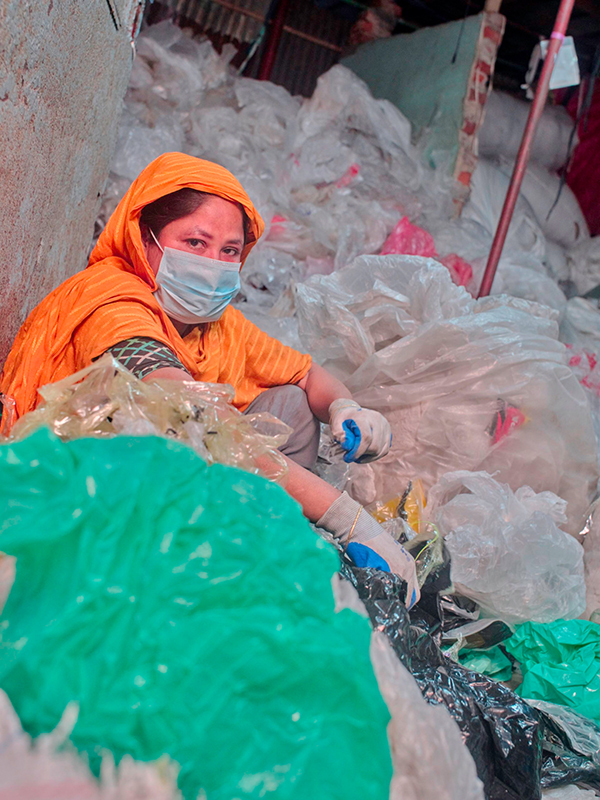
 The initiative has established an extensive plastic -collection and-recovery network covering households, markets and informal waste-collection channels throughout the city.
Key achievements: (1) More than 32,000 tonnes of plastic waste were collected between June 2022 and April 2026. (2) Around 70 per cent of the collected materials consisted of single-use plastics, while the remaining 30 per cent comprised hard plastics (3) Plastic waste is supplied every month to approximately 180 recycling enterprises and recyclers (4) The programme has set a target of collecting 8,000 tonnes of plastic waste during 2026 (5) Financial incentives are being provided for the collection of single-use plastic (6) Storage materials provided to support the collection and preservation of single -use plastics.
The initiative seeks to ensure that a larger share of plastic waste is processed and returned to productive use instead of ending up in landfills, water bodies or urban drainage systems as multi-pronged hazards.
Livelihood development and worker Inclusion are among the boons derived from the bane of plastic piles.
The programme places special emphasis on improving the working conditions and income opportunities of informal waste workers, who play a critical role in the country's recycling value chain.
Capacity building, livelihood improvement and social protection: More than 3,000 waste workers have received training on waste -management practices and occupational health and safety.
 Around 220 scrap buyers have been trained on business development, financial management and improved waste -management practices.
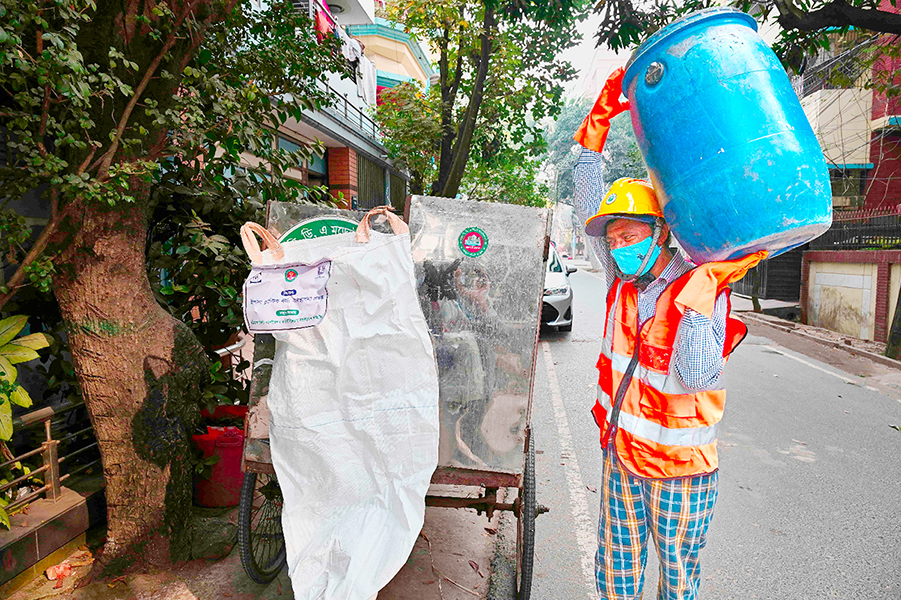
More than 2,000 waste collectors have received personal protective equipment (PPE) and safety gear to reduce occupational hazards.
Programme assessments indicate that around 70 per cent of participating workers reported improvements in their livelihoods.
Reported benefits include increased income opportunities, reduced occupational health risks, improved nutritional conditions and better savings and financial planning practices.
Recognising the limited access of waste workers to formal social-protection mechanisms, the initiative introduced group health and insurance coverage in 2025.
A total of 1,827 waste collectors and scrap buyers have been brought under insurance protection.
Benefits: The insurance scheme provides financial support in the event of: Injury: Tk10,000; Disability or loss of limb: Tk150,000, and Death: Tk150,000.
The initiative aims to strengthen the financial resilience of waste workers and their families while recognising the occupational risks associated with waste -collection activities.
Formalisation of the scrap buyer ecosystem: The initiative is also working to strengthen and formalise Chattogram's scrap-buyer network, which serves as a critical link between waste collectors and recycling industries.
Progress achieved shows around 50 per cent of participating scrap buyers now possess valid trade licences.
All participating scrap buyers maintain active bank accounts.
In improved business practices, most participating businesses now maintain registration books, bill vouchers, money receipts, master rolls, and formal business accounts and documentation systems.
 These measures are expected to enhance transparency, financial inclusion and long-term sustainability within the recycling value chain.
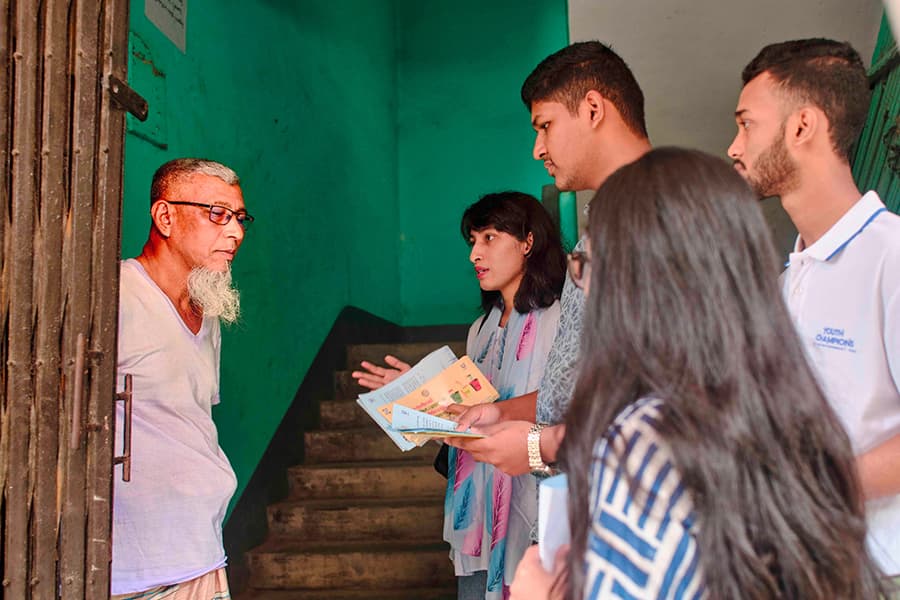
Community awareness and source segregation: Large-scale awareness campaigns have been undertaken to encourage households and institutions to separate waste at source.
Household outreach: Awareness activities have reached more than 25,000 households.
Around 40 percent of participating households currently practise waste segregation.
Outreach activities are planned for an additional 10,000 households during the current year.
Youth and educational engagement: Recognising the importance of behavioural change among younger generations, the initiative has invested significantly in youth engagement and environmental education.
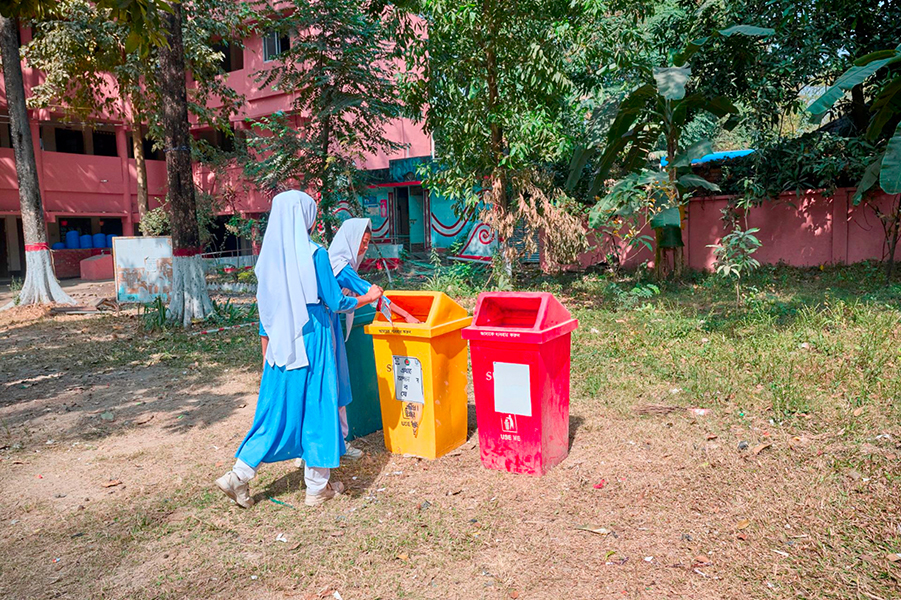
School-based activities: Environmental-awareness programmes have reached more than 10,000 students. Activities have been conducted in around 80 educational institutions.
The programme is scheduled to expand to 41 additional educational institutions during the current year.
The initiative also provides recognition and incentive mechanisms for youth volunteers to encourage long-term participation in environmental activities.
And last, but not the least, is environmental significance of such an undertaking. According to CCC, uncollected waste remains a major contributor to drainage blockages, monsoon waterlogging, environmental pollution and deteriorating urban cleanliness across Chattogram.
By strengthening plastic-recovery systems, promoting source segregation, improving recycling value chains and enhancing collaboration among waste workers, scrap buyers, recyclers and local communities, the initiative seeks to address these challenges and contribute to a cleaner, healthier and more sustainable port city.