


The Middle East conflict may push 1.2 million more people into poverty in Bangladesh, according to a new report of UNICEF on Thursday.
Up to 23.4 million additional children could fall into monetary poverty by the end of the year, as ongoing tensions in the Middle East and related shipping disruptions continue to have a damaging and potentially irreversible impact on children, it added.
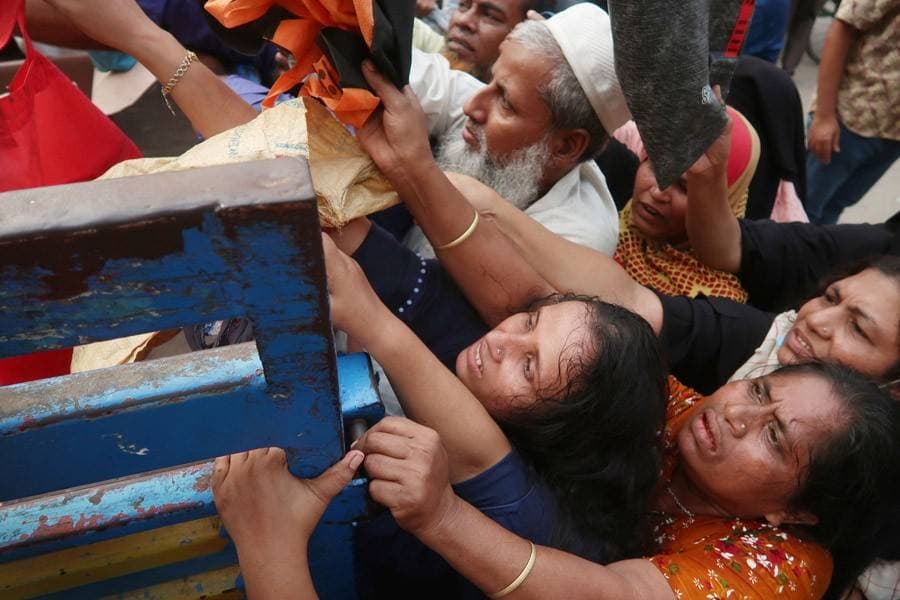
“Across Bangladesh, the rising cost of staple foods such as rice, lentils, cooking oil, vegetables, fish and poultry, is putting increasing pressure on families, and an estimated 1.2 million more people could fall into poverty,” said the UN agency.
The impact of the war in the Middle East on Children in monetarily poor households draws on data from over 167 countries and highlights how rising food and energy prices, and broader economic shocks resulting from escalating hostilities – including disruptions linked to the closure of the Strait of Hormuz – are eroding what households can afford to buy.
Children in the poorest households are disproportionately affected.
“Children are paying the price for the escalating conflict in the Middle East, including children far beyond the region,” said UNICEF Executive Director Catherine Russell.
“The longer this continues, the worse the consequences will be. Rapidly rising costs are making food and education unaffordable for many families. For children already living in poverty, these shocks deepen deprivation and can cause harm that lasts a lifetime,” Russell continued.
The report examined two possible scenarios: adverse and severe poverty.
The adverse scenario reflects a moderate economic shock that could push an additional 18.3 million children into monetary poverty, while the severe scenario assumes stronger, more prolonged disruptions to prices and economic activity and projects that 23.4 additional children could be pushed into monetary poverty if the war continues.
The analysis showed that child monetary poverty is highly sensitive to macroeconomic shocks. Increasing food and energy costs, combined with limited fiscal space in many countries, are directly reducing families’ ability to meet basic needs.
The largest proportions of the global increase in monetary poverty are in Asia and Africa, with the two regions accounting for around 80 per cent of the total increase. Both continents reflect high baseline poverty rates and high vulnerability to external shocks.
UNICEF is calling on national governments, donor governments, and international financial institutions to protect children from the worst impacts of the crisis.