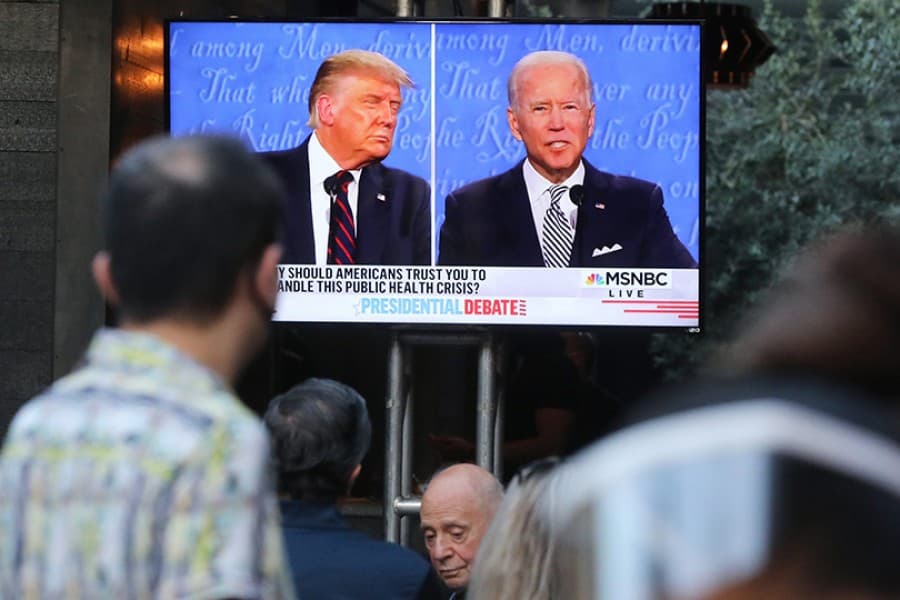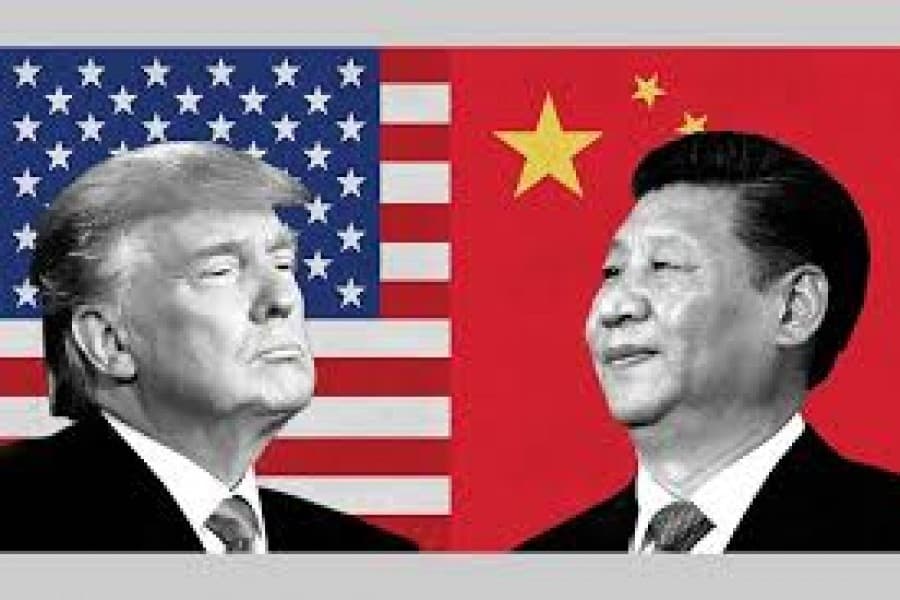
The world's most dynamic economy is governed by a communist party, whereas its previous capitalist stronghold is under the misrule of a man whose companies have gone bankrupt six times. With leading political ideologies becoming increasingly incoherent, labels seem to mean little anymore. In the U
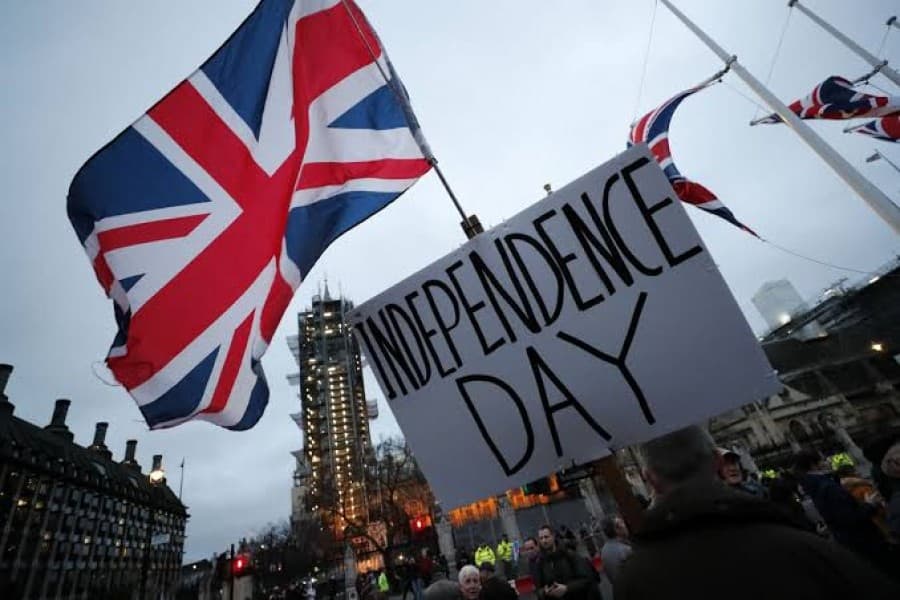
Goodbye, Britain. Brexit is done. It's over. Some Britons are waving Union Jacks, and public buildings are illuminated in red, white, and blue. Having dramatically opened up a new space for political manoeuvre, the country is now celebrating its achievement. This uplifting mood comes as a surprise
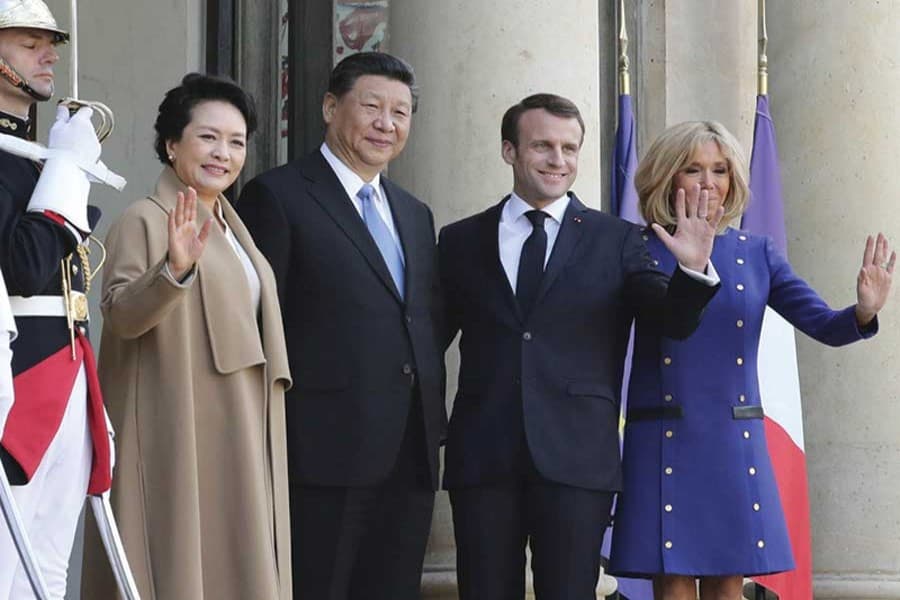
Once upon a time, everyone assumed that there was a single phenomenon called globalisation, whereby cross-border flows of financial capital drove innovation, industrialisation, development, and trade. But Chinese President Xi Jinping's Belt and Road Initiative (BRI) advances an alternative vision o
The European Union (EU) has gained member-state approval for an agreement setting the terms of the United Kingdom's exit from the bloc. But it is still unclear whether a majority of British parliamentarians will approve the deal, given that it appears to leave decision-making power over British aff
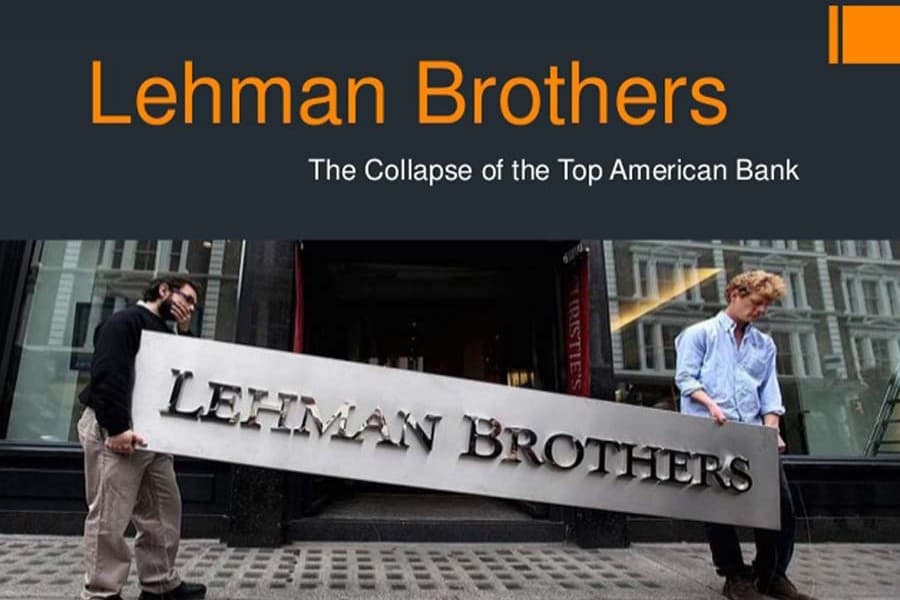
So far this year, the world has marked the 50th anniversary of the Prague Spring (and its suppression), the centennial of the end of World War I, and the bicentennial of Karl Marx's birth. Against that backdrop, should one really care about the tenth anniversary of the collapse of Lehman Brothers?
When countries get nervous about their security, they often insist that they need to reduce their dependence on foreign products, shorten supply chains, and produce more goods domestically. But does protectionism really improve security? Now that the world is hovering on the brink of a full-scale
The European Union (EU) is currently facing challenges more severe than even the debt crisis that threatened to sink the eurozone earlier this decade. North-South and East-West tensions in Europe have continued to rise since then, and are now being aggravated by growing uncertainty about the future
In The General Theory of Employment, Interest, and Money, John Maynard Keynes famously worried that, "Madmen in authority, who hear voices in the air, are distilling their frenzy from some academic scribbler of a few years back." Yet even without prescriptive theories, feigning "frenzy" or madness