The economy of Bangladesh is not doing well. In fact, it has not been doing well since the second quarter of 2023-24 as should be evident from the chart-1. At this low rate of growth unemployment could have risen and a large section of the people at the lower end of the income scale could have fall
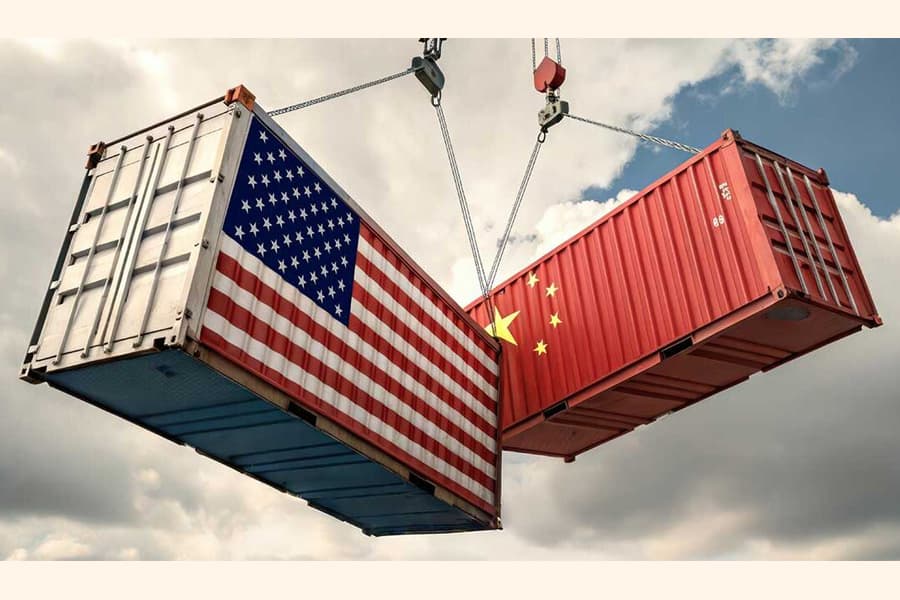
The United States (US) president Donald Trump did just what he had said he would do if elected - he imposed incredibly high tariffs on most countries the US trades with including Bangladesh. Never since the Great Depression of the 1930s was such a disastrous economic measure taken in US history.&nb
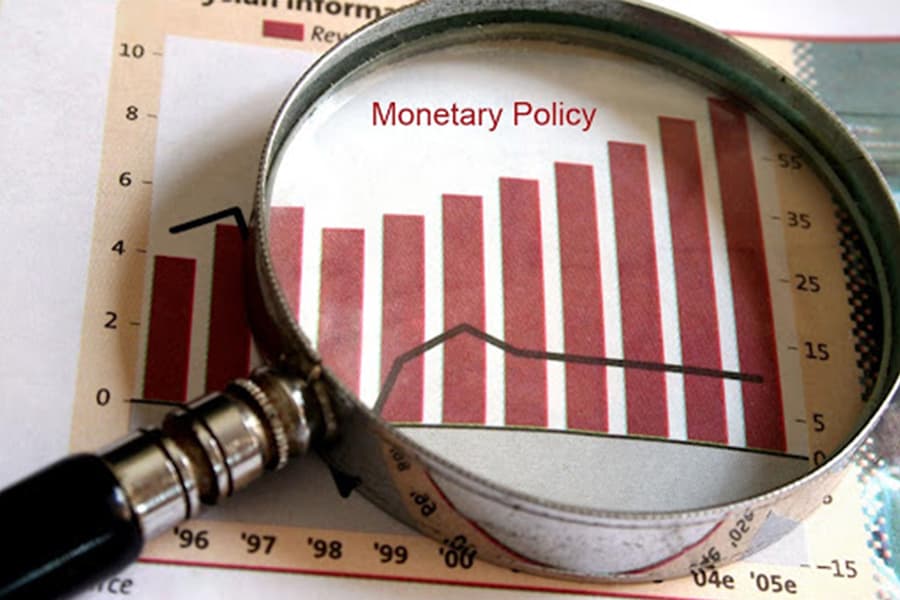
The current monetary policy was set in motion at a time when the economy was in a dire state. The inflation rate was trending upwards alarmingly and the national output was sluggish. Amidst rampant corruption and large-scale looting of the economy by the gangs of Hasina the income of the ordina
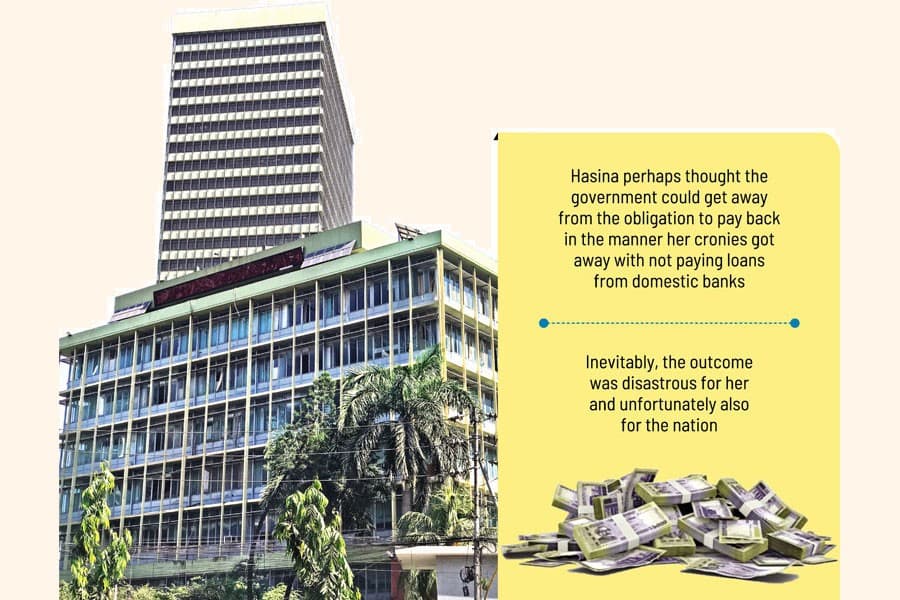
There is little doubt that Sheikh Hasina and her government have done harm to the national economy by recklessly borrowing money from overseas to invest in low productivity projects. She had increased the national external debt more than five-fold during her reign (from about US$20 billion to $10
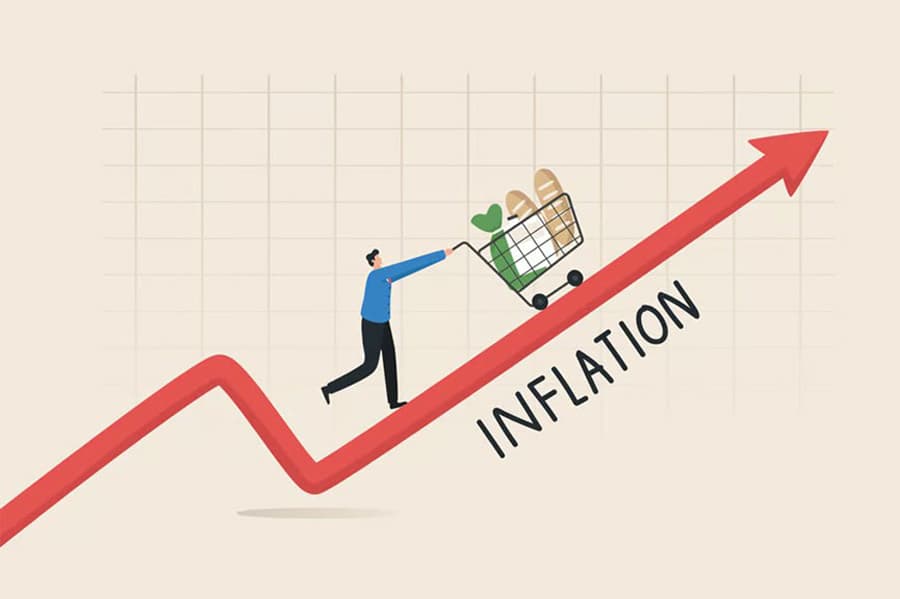
The current economic crisis has developed steadily over the last several years mainly because our aggregate spending far exceeded the national income A major manifestation of the current crisis is the high inflation which has imposed great hardship on the ordinary people with fixed incomes Rising
The monetary policy statement (MPS) for the second half of FY2023-24 was recently unveiled by the governor of Bangladesh Bank (BB). With a disillusioned nation suffering from severe economic hardships, this was certainly a difficult task which was made even more difficult by the International Monet
Ever since the people of the country started migrating to other countries in search of employment and better livelihood, they remitted money to their families at home. These remittances soon became an important prop to our balance of payments (BoP) frequently amounting to much more than one-half of
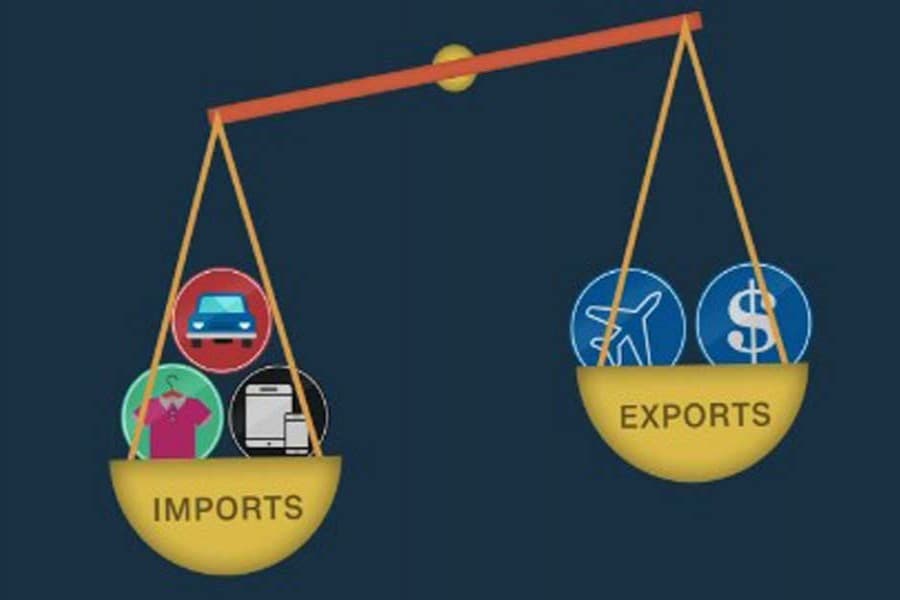
Bangladesh is suffering from significant balance of payments difficulties for a considerable period which have caused multiple economic problems. Some have regarded these sufficiently serious to be called a crisis. Although the government and Bangladesh Bank are insisting on a narrative of no short