Bangladesh is now witnessing an impressive seasonal fruit boom. Markets across the country are overflowing with jackfruit, mangoes, guavas, pineapples, blackberries, dragon fruits and many other indigenous and exotic varieties. Over the past decade, farmers have steadily diversified their orchards,
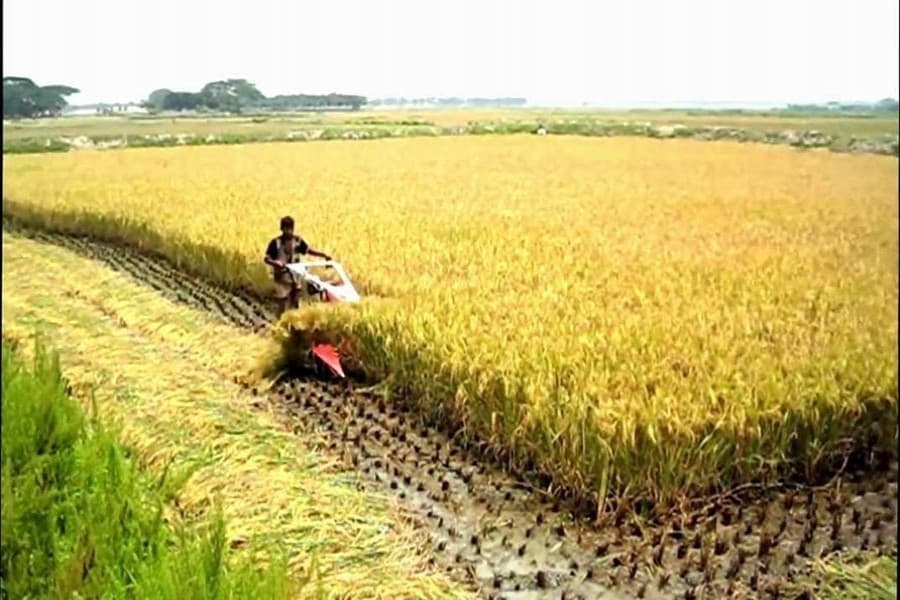
Once the second most important cereal crop in Bangladesh after rice, wheat is now steadily losing ground. Over the past decade, both acreage and production have declined significantly, even as domestic demand continues to rise. According to Bangladesh Bureau of Statistics (BBS), wheat cultivation a
In an age where calendars are increasingly filled with international days, it is easy to dismiss them as symbolic rituals. Yet, behind many of these observances lies a growing urgency shaped by climate change, environmental degradation, and the unpredictable behaviour of nature itself and other sig
Every year on May 20, the world celebrates World Bee Day—a moment to recognise the indispensable role of bees in sustaining ecosystems and ensuring food security. Established by the United Nations in 2017, the day also honors Anton Janša, whose legacy continues to shape modern apicultu
The opinion article "Making Crop Insurance a Reality" of this esteemed daily on May 11, 2026 rightly highlighted the growing vulnerability of agriculture due to climate change and natural calamities. The concern is genuine and timely. Floods, droughts, cyclones, salinity intrusion, pest attacks and
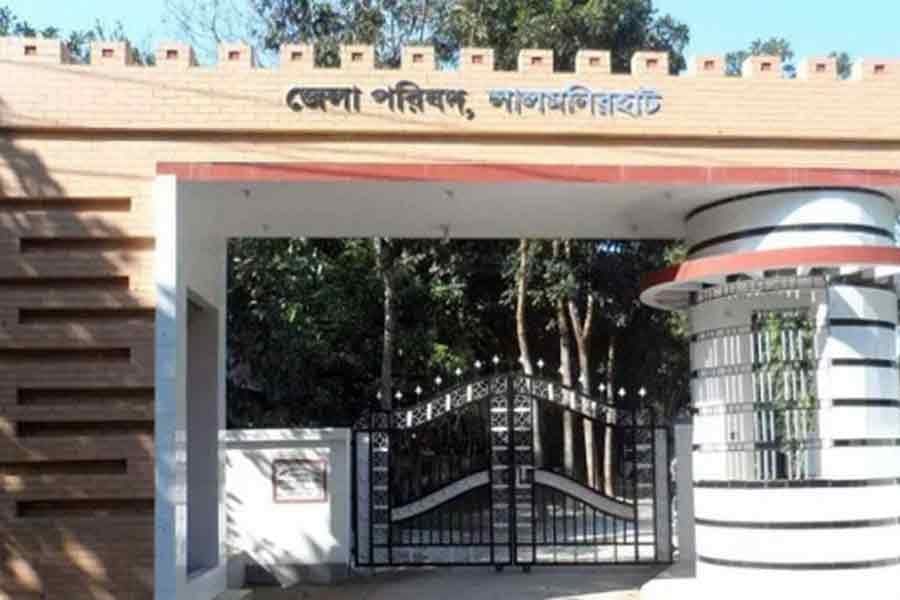
District Councils (Zila Parishads) are a vital tier of local government in Bangladesh, envisioned to ensure decentralised governance and effective local service delivery. Despite their importance, these institutions remain underutilised due to limited autonomy, weak financial capacity, and overlapp