Populism, we may say, springs from activities where policies of a government are driven by popular public demand ignoring rules, regulations or any resultant negative impact in future. From economic point of view, some economists have used the term in reference to governments which, ignoring grou
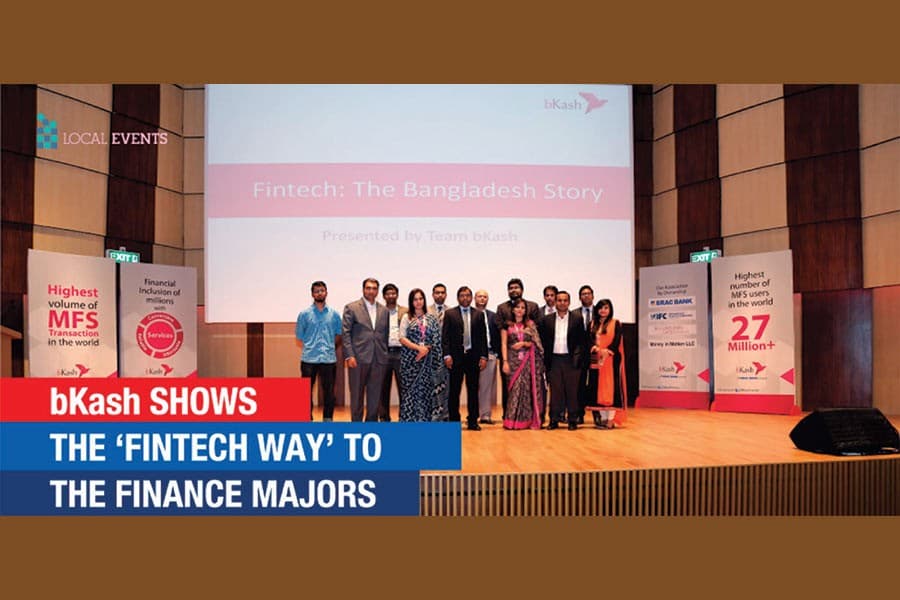
Financial inclusion efforts seek to ensure that all individuals, households, and businesses - regardless of net worth, size, income level - have access to and can effectively use the appropriate financial services they need to improve their lives. This is also called inclusive financing. According
Economics deals with financial activities of human beings. It has its own natural flow based on multidimensional financial activities of people. But this natural flow depends on a number of factors like human behaviour, cultural heritage, national tradition, religious bars or obligations, social an
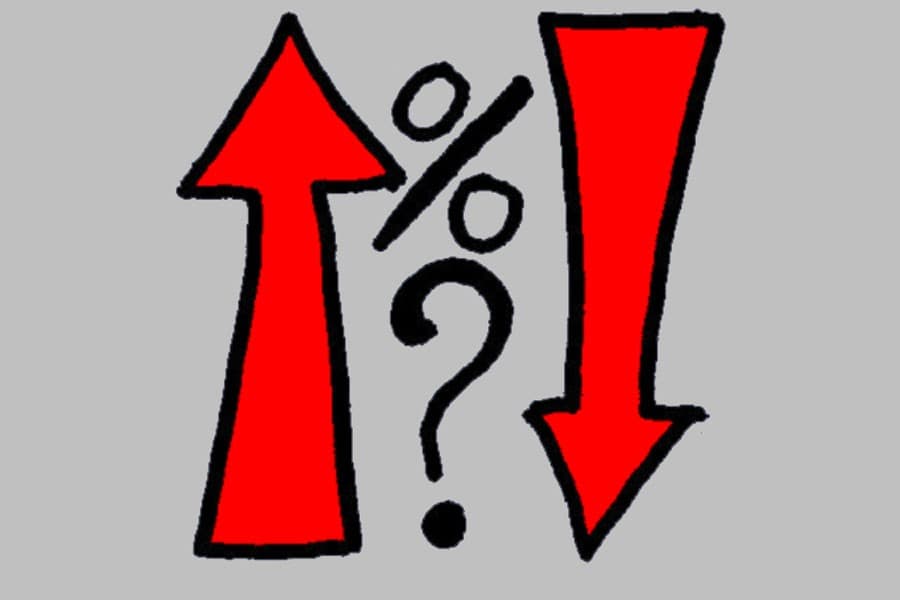
A new debate has emerged in the financial sector - especially in the banking sector after the Prime Minister's call for the banking authorities to bring down interest rate to a single digit for boosting investment. This rate is to be at least 6.0 per cent for the depositors and 9.0 per cent for the
Since the beginning of industrial revolution, consumerist attitude in human nature has continued to grow, reaching its peak in the 21st century. Multidimensional physical and sensual demand is growing with every passing day, alongside dissatisfaction. It is typical of human nature that they do not
Self-exposure or publicity is innate in human nature. A person mostly tries to display his or her power, supremacy, distinctiveness, appearance, better achievement and positive attitude towards others. Various social media, with the help of information technology, have turned those human desires in
Every civilisation has its own distinctiveness. People of some civilisations were physically strong. Some were experts in building temples, beautiful houses and palaces and others earned acclaim in medical science and many other particular fields. Those civilisations were also limited in some parti
According to a research conducted recently by Credit Suisse, Oxfam and the Washington Post, global inequality is growing fast and half of the world's wealth now lies in the hands of just 1.0 per cent of the world population. About 3.4 billion people - just over 70 per cent of the global adul