The July 2024 Mass Movement brought to the fore the long-standing unaddressed development challenges of rising inequalities in wealth, income, and economic opportunities. A particularly concerning reflection of these inequalities is the growing incidence of youth unemployment. Addressing this matte
Bangladesh arguably is one of the most climate vulnerable country in the world. The government is well aware of the need to integrate climate change considerations in the national development process. Several climate change strategies have been developed, and climate change factors are increasingly
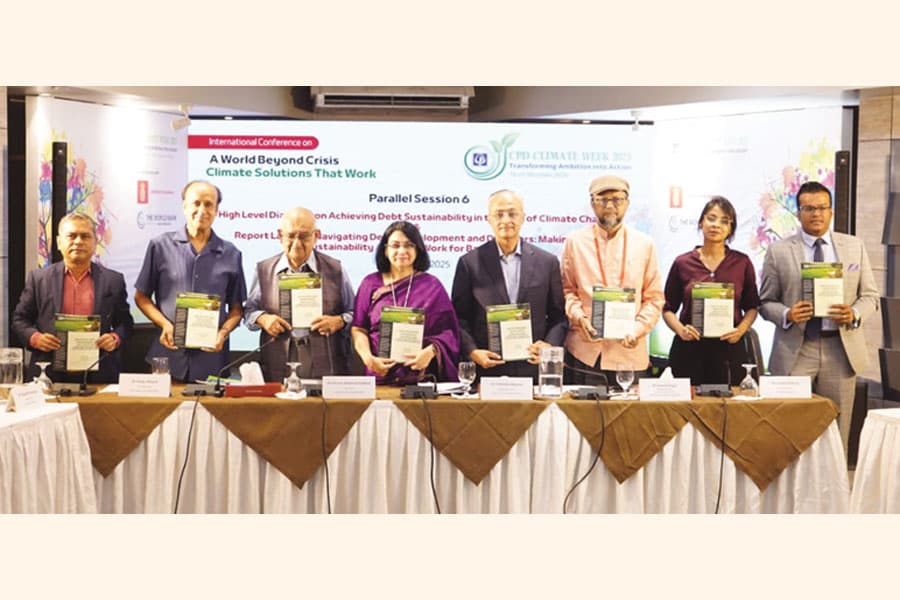
There are two elements of standard public debt sustainability analysis. The sustainability of external debt and the sustainability of domestic debt. They are inter-related but often have different dimensions. Both are very important. As such, traditional debt sustainability assessment (DSA) conduct
The theme of the World Bank's latest South Asia Economic Update is timely and relevant to the prevailing global realities and economic challenges facing South Asian countries. In particular, the challenge of job creation is of utmost priority and key to maintaining economic and social stability in
Bangladesh secured major development gains since independence, reflected in rising per capita income growing, substantial reduction in poverty rates and significant improvements in human capital. Yet, this progress was accompanied by growing income inequality and inadequate attention to social ju
DEVELOPMENT CONTEXT: Bangladesh has shown strong resilience and dynamism by rising rapidly from the ruins of a war-devasted economy in 1972 that was characterised by high incidence of poverty (around 80 per cent), low per capita income (less than US$ 100) and badly damaged infrastructure. In 2015 B
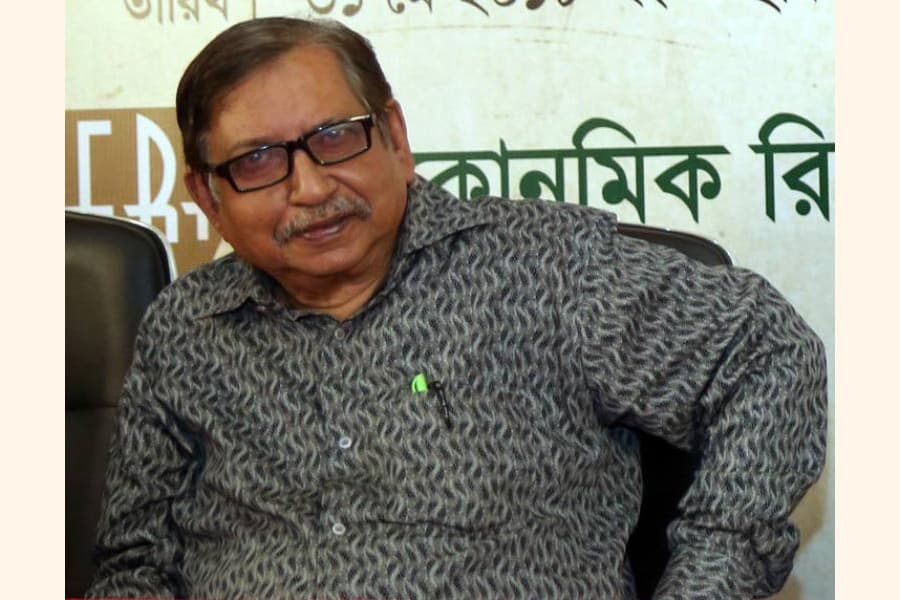
I first met Moazzem Bhai in 2010 through a common friend Dr. Zaidi Sattar. Zaidi Bhai and I were colleagues at the World Bank and then we started our collaborative endeavour of the Policy Research Institute of Bangladesh (PRI). Zaidi Bhai had successfully persuaded Moazzem Bhai to make the Financia
The tax performance of Bangladesh fares rather poorly, relevant international evidence shows. The most telling weakness is that the Bangladesh tax effort (9.0 per cent of gross domestic product or GDP) is substantially below the average for even low-income economies (14 per cent of GDP). Regarding