Loading...



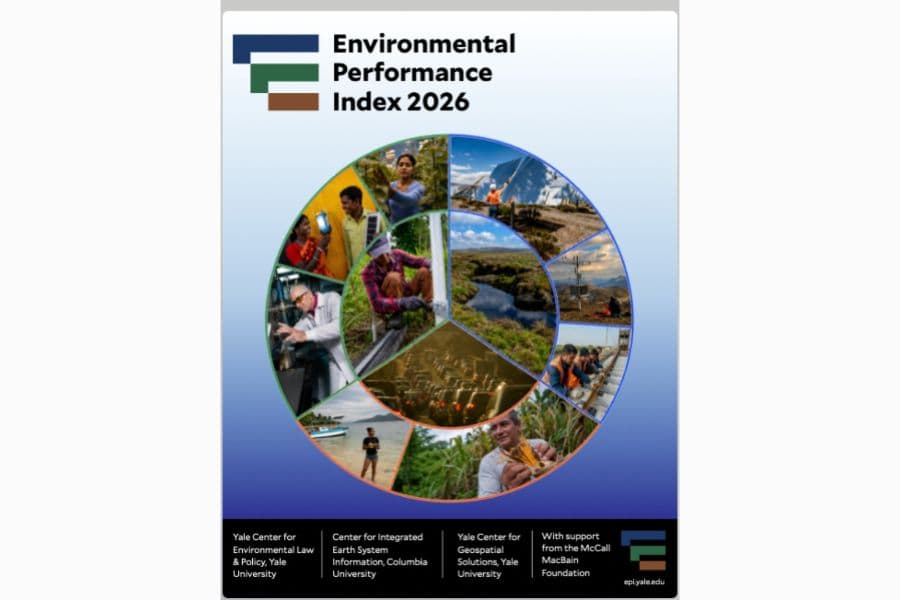
Bangladesh's environmental performance has seen further degradation, causing the country to plummet to the third-lowest position among 177 nations on the 2026 Environmental Performance Index (EPI). This marks a steep decline from the previous edition of the global report, where the country fared s
Term deposits at banks recorded robust year-on-year growth in the January-March quarter of 2026 as depositors increasingly opted for fixed-income savings instruments to secure higher returns amid a high interest rate environment. The latest Bangladesh Bank (BB) data suggests customers are locking
Consumer lending in the country's banking sector continued its upward trajectory in the January-March quarter of FY26, with outstanding loans surpassing Tk 1.58 trillion despite elevated lending rates and persistent inflation. The steady increase indicates that households are increasingly re
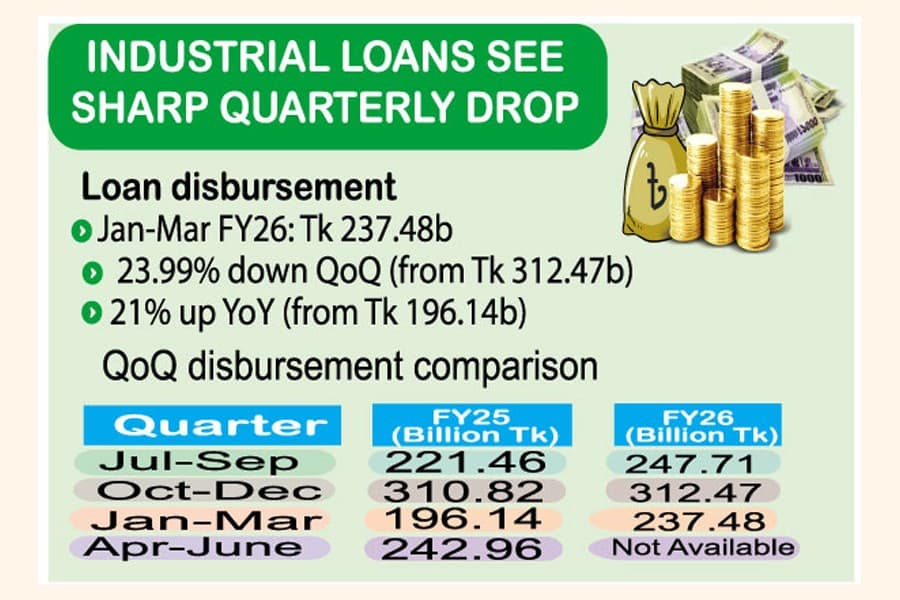
Industrial term loan disbursement declined sharply in the January-March quarter of the fiscal year 2025-26 as businesses remained cautious about making fresh investments amid tight liquidity, elevated borrowing costs, and persistent macroeconomic uncertainties. According to the latest Bangladesh B
Bangladesh Bank (BB) injected Tk 21.68 trillion in liquidity support into the country's financial institutions in 2025 as mounting pressures continued to weigh on the banking sector despite improvements in some external economic indicators. The support was extended to conventional banks, Islamic b
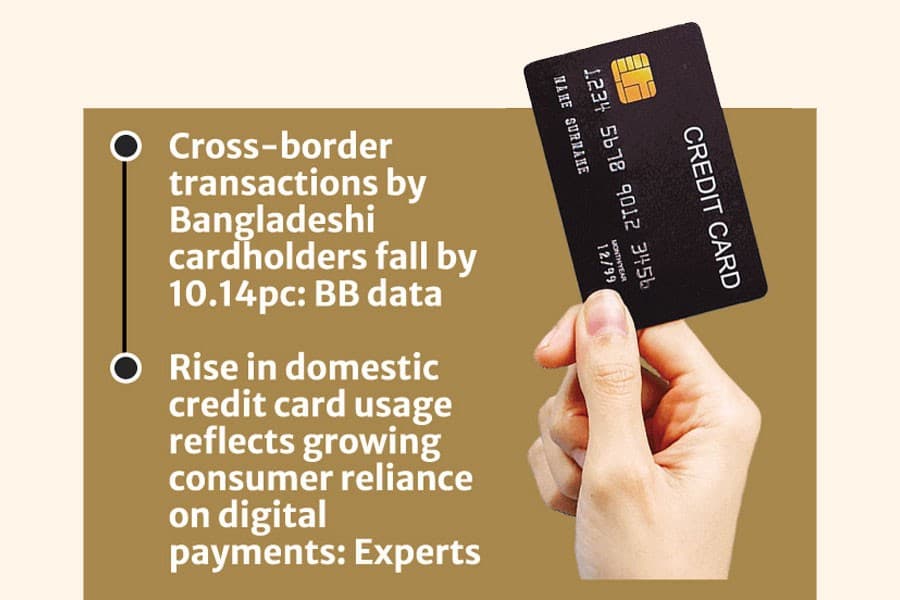
Domestic credit-card spending in Bangladesh witnessed a hefty growth year on year in April this year, reflecting stronger consumer demand despite economic challenges. On the other hand, the overseas spending by Bangladeshi credit cardholders declined over the same period of last year. According t
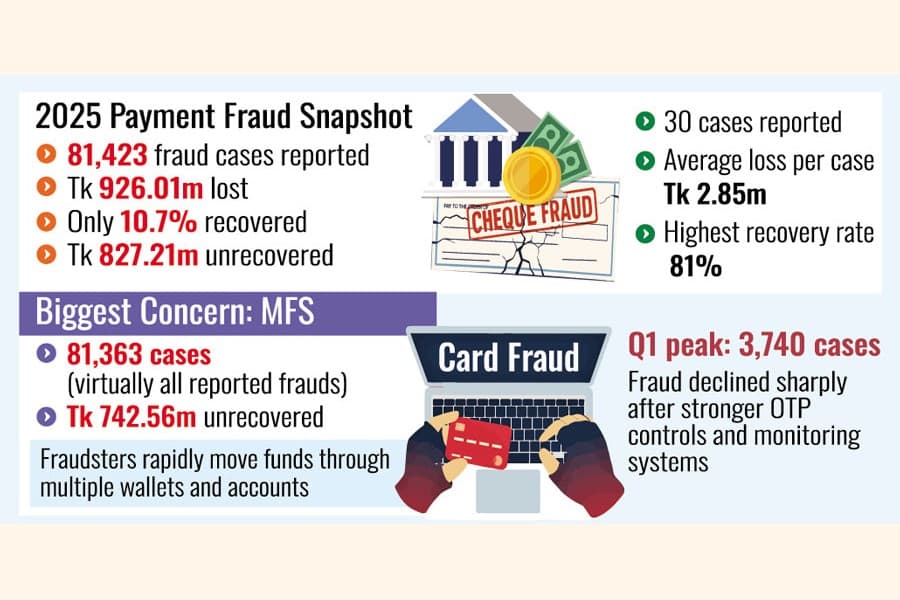
Bangladesh's payment ecosystem suffered losses amounting to Tk 926.01 million due to fraudulent practices in 2025, with mobile financial services (MFS) accounting for the major part of it. Such a significant volume of fraud-related losses highlights the persistent vulnerabilities in the country's
The National Board of Revenue (NBR) has brought some changes in VAT and duties on essential commodities and commonly-used products to achieve its revenue targets in the national budget for the next fiscal year. These changes may cause corresponding fluctuations in market prices. In the proposed b