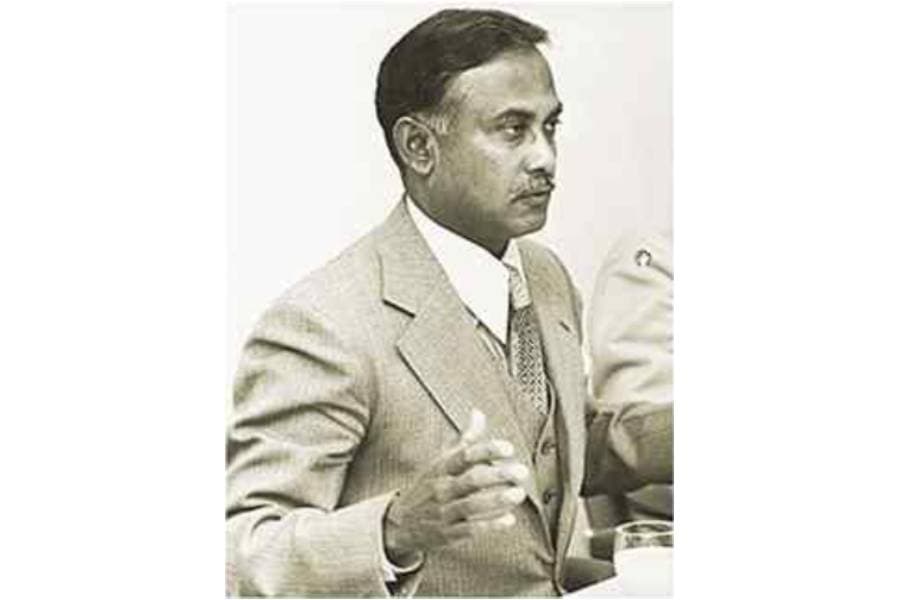
May 30 marks the 45th anniversary of the demise of Shaheed President Ziaur Rahman, a freedom fighter and nation builder who founded the Bangladesh Nationalist Party (BNP). The death of Shaheed Ziaur Rahman at the hands of those attempting to stage a coup in Chittagong not only meant the end of the
In terms of the history and tradition of education, hardly any changes can compare to those taking place at the moment, thanks to the emergence of artificial intelligence (AI). From the invention of printing to the advent of the internet, every significant technological breakthrough has increased a
“Energy is the lifeline of modern society. Without energy, economic systems collapse and development comes to a halt,”—Daniel Yergin. The essence of energy permeates every facet of economics and societal life worldwide. Countries require reliable, cost-effective energy sources to
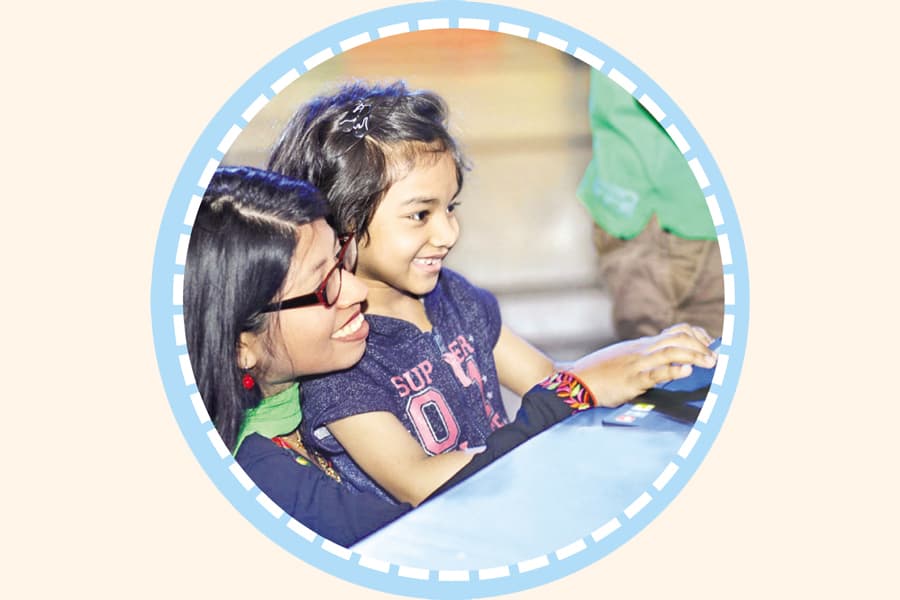
The “Digital Bangladesh” slogan, which emerged in 2009, echoed a collective dream of embracing technology across all aspects of life. The dream had a modest yet revolutionary vision: to “connect people and enable digital inclusion to reach out to all Bangladeshis.” In its fi
Bangladesh finds itself at a watershed moment in its economic life today. Previously regarded with disdain, as a frontier economy beset by inherent problems, Bangladesh has registered tangible gains in its efforts to eliminate obstacles that had discouragingly deterred investment across its borders
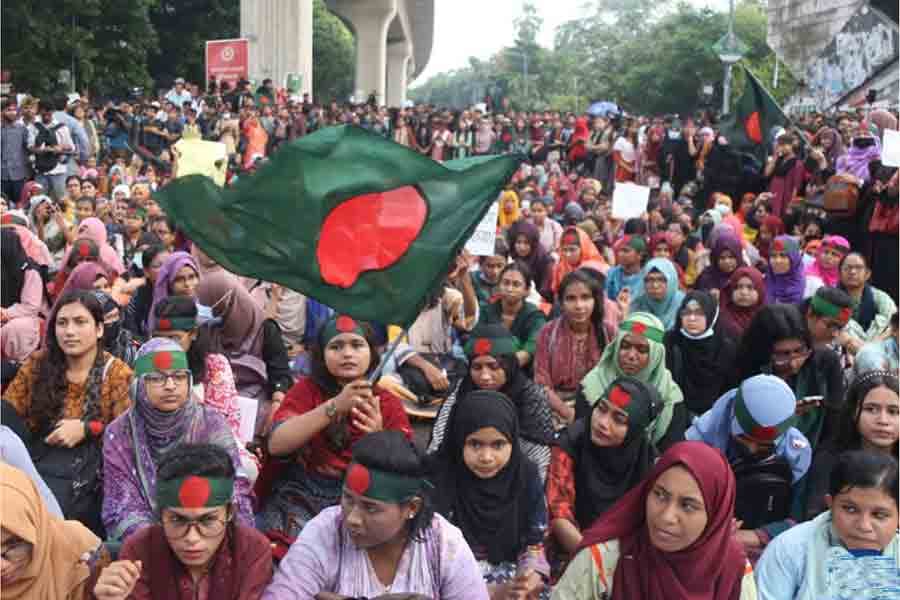
Across South Asia, few forces have profoundly shaped the course of national politics. Student activism is one such forces. From the Language Movement martyrs of Dhaka to the uprisings in Kathmandu and Colombo, students have played the role of political catalyst-standing up to military rulers, and n
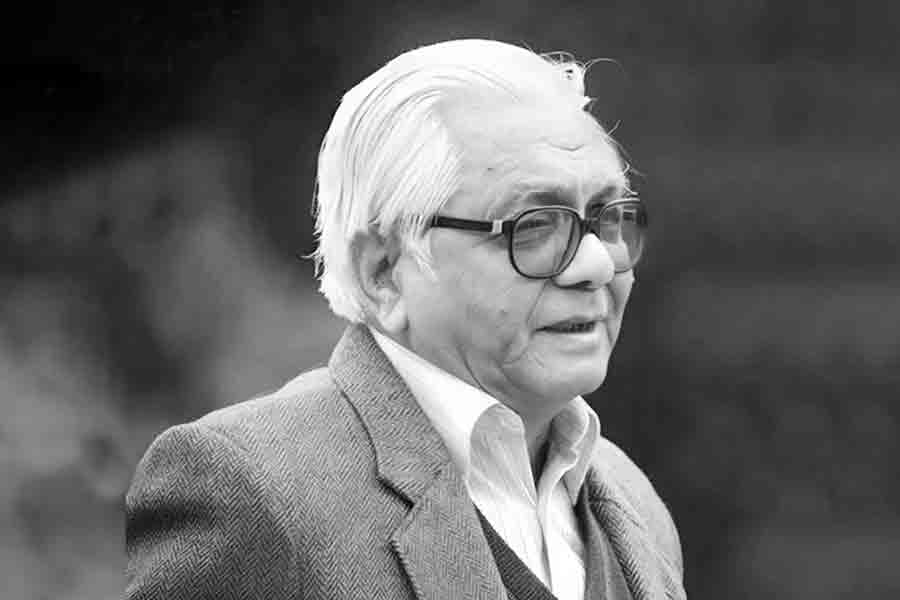
The 2025 demise of Badruddin Umar is not simply the loss of an individual, but the muting of a conscience. For over half a century, Umar was a relentless critic of power — state, capital, and ideology. As a thinker, writer, and public intellectual, his work cut through the cloud cover of offi
"Education is the most powerful weapon which you can use to change the world," Nelson Mandela once said, underlining the redemptive power of education in reshaping societies and advancing human progress. In Bangladesh, the growing demand for higher education, coupled with the rapid expansion of pri