Operational risk is no longer a secondary concern for Bangladesh's banking sector. Under the Basel framework, it refers to the risk of loss resulting from inadequate or failed internal processes, people and systems, or from external events. It includes legal risk but excludes strategic and reputati
A national budget is not only a statement of income and expenditure. It is also a signal. It tells citizens, investors, businesses, banks, and development partners how the government understands the economy. It shows where the state wants to spend, how much it wants to borrow, and how realistic its
A statute can proclaim independence, but it cannot manufacture judgment, restraint, or credibility. Legal autonomy may be written into law, yet its real authority emerges only through practice. Legal frameworks provide structure; culture provides strength. Without structure, institutions drift. Wit
Public trust in Bangladesh's banking system has been gradually weakening. Not through sudden panic, but through steady hesitation. Over the past decade, structural weaknesses within the sector have eroded the fundamental promise of safety that depositors rely upon. Rising non-performing loans, gove
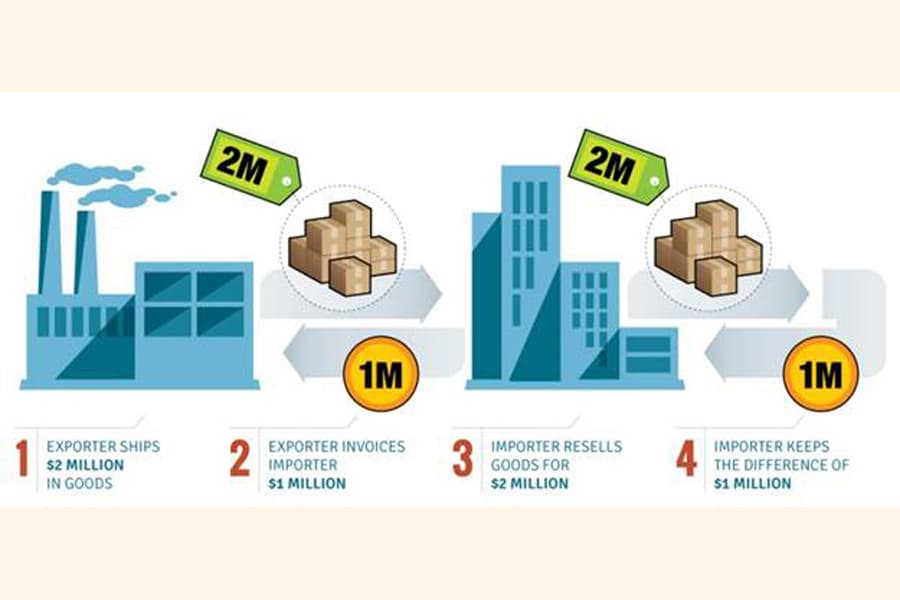
Illicit fund flows pose a significant risk to the integrity of the banking system and present persistent challenges for regulators operating under risk-based supervisory frameworks. In recent years, Bangladesh has formally moved towards implementing risk-based supervision, reflecting a broader shif
Green resilient and inclusive development has become a prime driving force towards sustainable development worldwide. The economy of Bangladesh has been progressing rapidly, where business developments have been playing notable roles. However, the booming business sectors are causing a massive depl
As expected, changing trends and volumes of trade transactions due to Covid-19 disruptions have implications for trade services. It is known that trade services are particularly vulnerable during a crisis, and policy measures are particularly crucial during such disruptions. In most instances, thes
Bangabandhu's development approach and the outlook on ethical finance in independent Bangladesh was embodied in the founding of the First Five Year Plan (1973-1978) of the country. In line with the need of the war-devastated and highly exploited inhabitants, the plan document rightly targets the