[To commemorate the third death anniversary of Moazzem Hossain, FE reintroduces the following piece of tribute written by his long-time colleague and FE’s former executive editor Shahiduzzaman Khan, who also left this world on May 30, 2021.] A long-distance call helped change my work plan
Dhaka city makes the headlines for all the wrong reasons, unfortunately. The Economist Intelligence Unit's annual global survey of 2018 listed Dhaka as the second least liveable city in the world. Another international study marked the Bangladesh capital as the most stressed city in Asia in 2017.
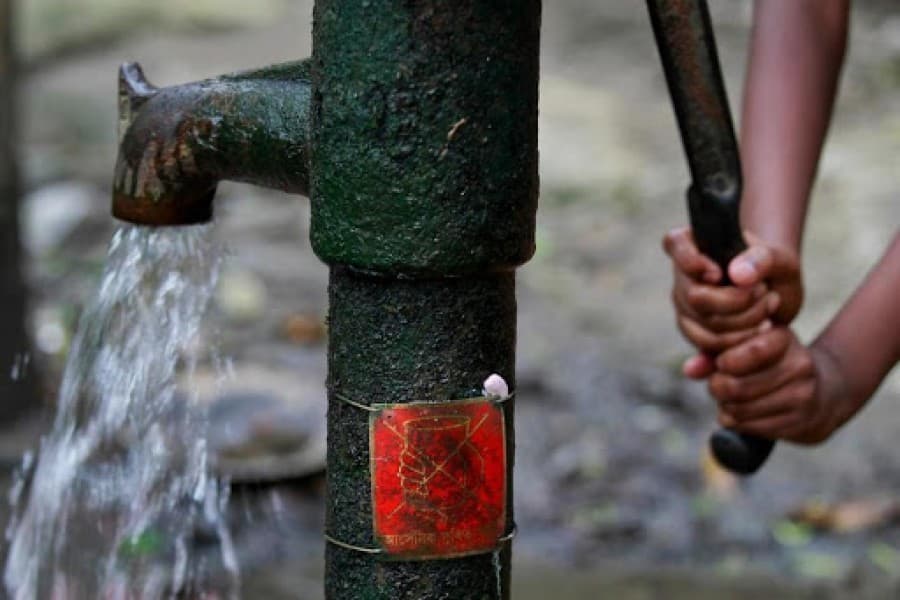
A New York-based non-government organisation - Human Rights Watch (HRW) expressed its apprehension that hundreds of people might die in Bangladesh in the coming years from diseases related to arsenic contamination. It said there are negligence and corruption in mitigating such a major health challe
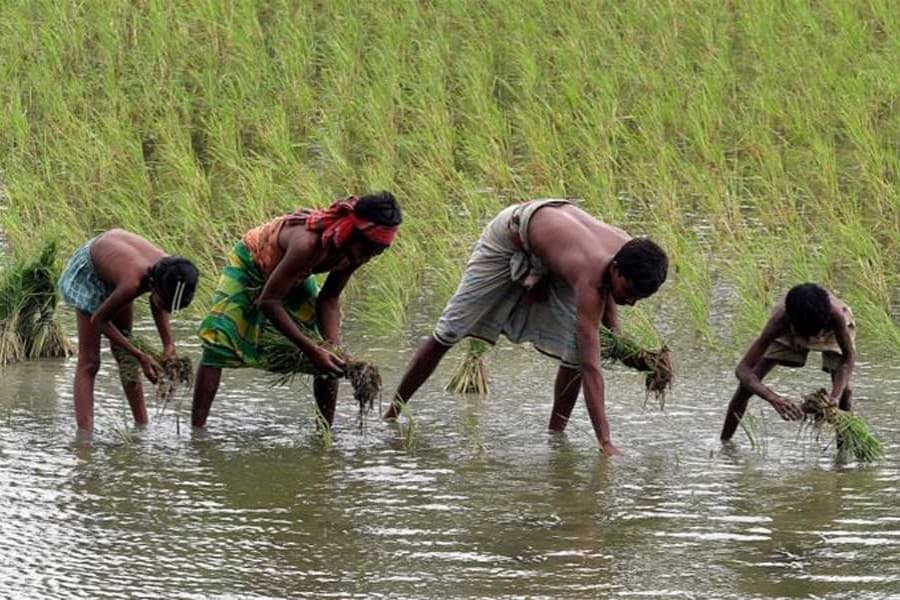
There is a need for working out an effective strategy to check the country's fast-shrinking arable land and thus maintain the momentum in increasing its food grain production. Such views were expressed by some agricultural experts at a recent seminar. The loss of agricultural land, they said, woul
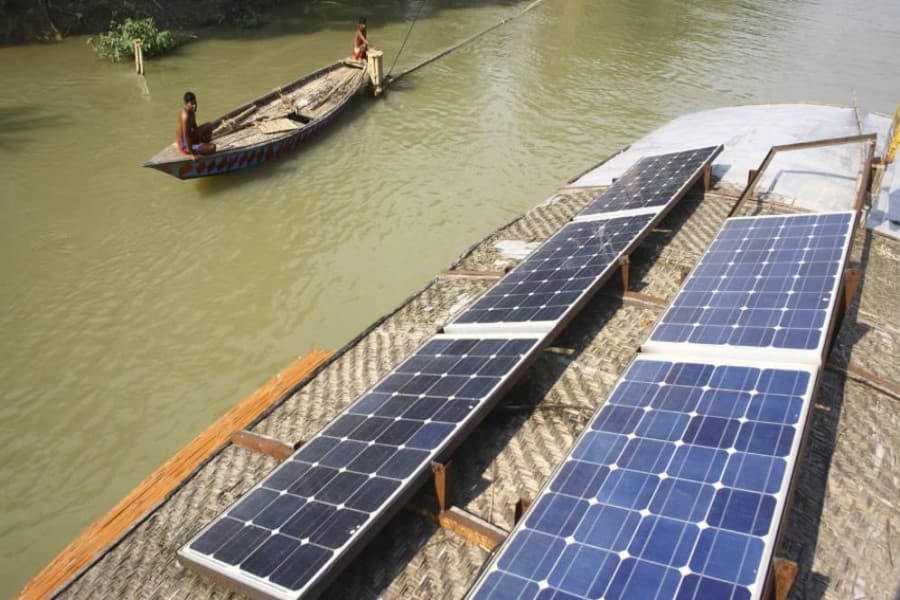
In Bangladesh, the renewable energy scenario has been a bit stagnant as the proportionate growth on renewable energy could not be seen in the last couple of years. It contributes 3.10 per cent to the national energy power mix, according to the Sustainable and Renewable Energy Development Agency of
There are only two significant naturally occurring sources of commercial energy in Bangladesh -- gas and coal. There are enormous coal reserves in Bangladesh that are, as yet, largely untapped. The estimated 3 billion tonnes of coal resource is equivalent in energy terms to over ten times the curre
Public-Private Partner-ship (PPP) has been appreciated as an important way out for infrastructure development of the country. Though there have been some recent successes in institutional and regulatory framework, other critical issues like financing facilities are yet to be boosted in the country.
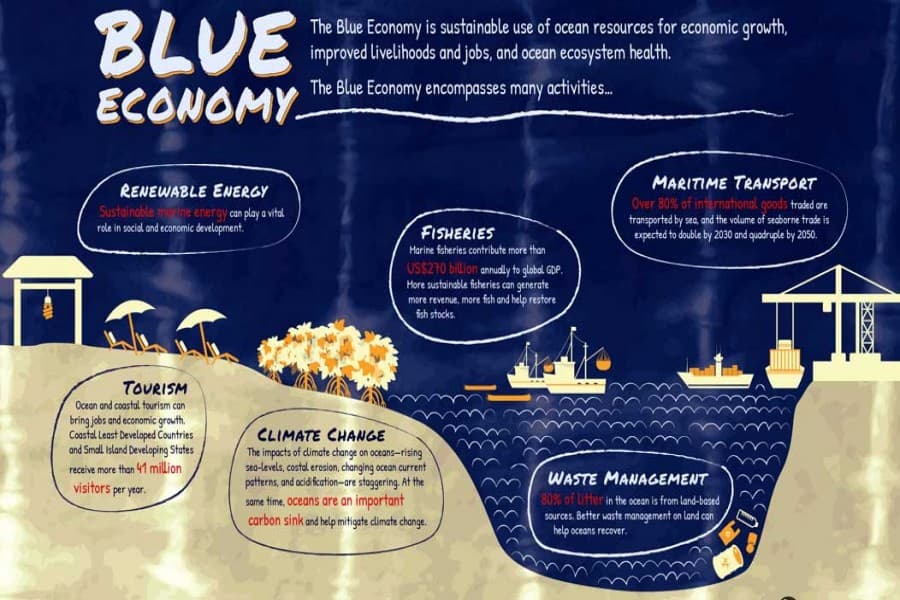
With the approval of the Bangladesh Maritime Zones Act, the country is now free to explore and exploit the rich marine resources of the Bay of Bengal and exercise the country's right over the extended maritime boundary. The Act has 14 chapters and 137 sections dealing with a number of maritime rel