


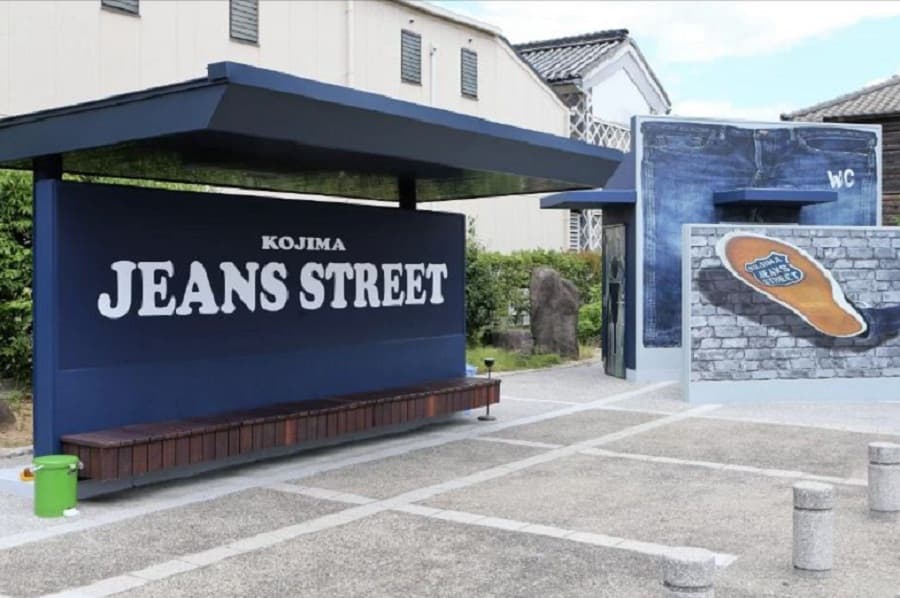
Kojima is a district in Japan, located in the city of Kurashiki, Okayama Prefecture. This place is world-famous for denim.


Kojima is known as the heart of Japanese denim production. Many makers live there, known for making jeans with great care.
Process
Making a pair of jeans takes many steps. Workers dye the yarn, weave the fabric, sew the trousers, then wash and finish each item. All these steps happen close together.
Bangladesh is one of the top apparel exporters in the global market. However, the denim culture in Kojima, Japan is quite different.
It focuses heavily on master craftsmanship and human skill rather than just mass machine production.
History
Kojima's textile roots began during the Edo period when salty reclaimed land forced farmers to grow salt-tolerant cotton instead of rice.
Local weavers transitioned from making traditional sailcloth and school uniforms to producing Japan's very first domestically made jeans in 1965, transforming the district into a global denim capital. Today, the street has about 40 denim shops. Famous brands like Momotaro Jeans and Japan Blue Jeans are located there.
Tourism
Kojima Jeans Street is a major tourist attraction because it is globally celebrated as the sacred birthplace of Japanese domestic denim. Visitors flock to the vibrant district to explore roughly 40 specialised boutiques featuring world-renowned brands like Momotaro Jeans, purchase premium hand-crafted apparel, and witness unique denim-themed aesthetics, such as jeans hung across alleys and indigo-infused soft-serve ice cream.
About 100,000 tourists visit the area every year. They buy expensive trousers. Basic jeans cost around 33,000 yen a pair (approximately 25,000 Bangladeshi Taka).
While Bangladesh lacks a tourist-centric denim strip, the country boasts traditional textile hubs that closely mirror Kojima's heritage craft culture. Historic places like Mirpur's Banarasi Polli and the villages of Sonargaon preserve centuries-old handloom artistry through exquisite products.
Master artisans craft textiles by hand, passing generational skills down through families. Much like Japan's dedicated denim street, these localised manufacturing clusters serve as living museums where visitors can witness authentic, labour-intensive craftsmanship firsthand. Meanwhile, expert craftspeople make premium jeans that can cost 200,000 yen or more (around 150,000 Bangladeshi Taka or higher).
Experts say Japanese denim is special because it requires high skill and massive human effort.