

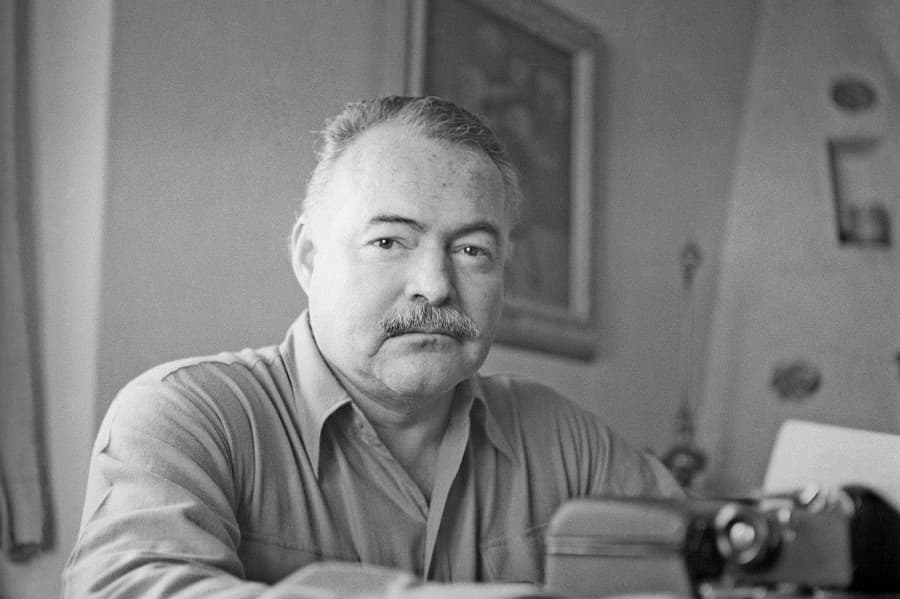
Today marks the 127th birth anniversary of the legendary American figure Ernest Hemingway. Think about the depth of the statement – "We are all broken. That's how the light gets in." That is how the famous author produced some of the best works of English literature. Not only in literature, but Hemingway's legacy also surpasses traditional heroism through his vivid work as a war journalist.
Before Hemingway was a Nobel Prize-winning novelist, he was a beat reporter. He started at the Kansas City Star at age 18, where he learned his iconic 'iceberg style', which depicts the writing style as short, punchy, and using declarative sentences with zero fluff.
Hemingway covered the Greco-Turkish War (1922), the Spanish Civil War (1937–1938) for the North American Newspaper Alliance (NANA), and World War II for Collier's magazine.
Hemingway did not report in a sanitised way; he transformed war journalism by using vivid sensory details and the real human terror through grotesque descriptions.
He rode in landing craft during D-Day, marched with guerrilla fighters in Spain, and interviewed ordinary civilians whose lives were shattered by bombs.
These instances are no less heroic than any other deed, as before his era, war journalism was overly patriotic and performative.
However, Hemingway portrayed the actual destructive side of the war.
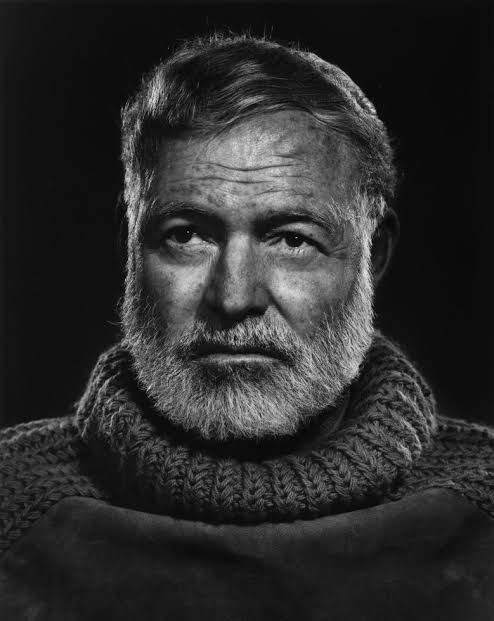
Hemingway understood that a journalist's primary duty is to the truth, even when propaganda pressures them to pick a side. In his dispatch The Heat and the Cold, he described the stark, unvarnished reality of war-showing that battlefield victory always carries an immense human cost.
Hemingway used journalism as the raw materials for his classic novels, turning human misery into literary art. A Farewell to Arms (1929) is a work drawn from his experiences as an ambulance driver on the Italian front in WWI.
In this novel, the protagonist, Frederic Henry, famously notes that abstract words like "glory, honour, courage" feel sacred next to the names of villages and numbers of rivers. Hemingway warns us to look past political slogans and focus on the lived reality of victims.
The novel For Whom the Bells Tolls (1940) was directly born out of his time in the trenches and hotel rooms of Madrid during the Spanish Civil War.
The novel famously uses John Donne's philosophy: "No man is an island." It reminds the readers that a bomb dropping on a home in Kharkiv, Gaza City, or Khartoum diminishes all of humanity, no matter how far away we live.
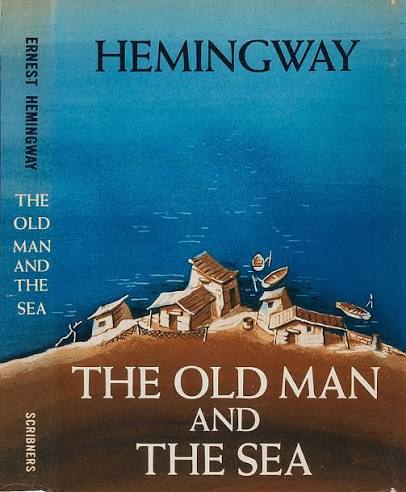
Apart from war-related novels, he explored the psychological aspects of humans through his writings. The Pulitzer Prize-winning short story "The Old Man and the Sea" beautifully captures the essence of human endurance and patience, despite the struggles.
This story is a must-read classic for everyone who thinks they are losing the race of life. The relationship between humans and nature is also illustrated through the protagonist's 84-days journey to the sea to catch a big fish.
Hemingway is an inspiration for all the front-line journalists working in the modern war-torn regions of Gaza, Sudan or Ukraine. Hemingway's journalism reminds us that behind every geopolitical statistic is a human being-a child, a soldier, or a grieving mother. He showed us that when the dust settles and guns go silent, it is the words of journalists and writers that preserve history from being rewritten by the powerful. Today's heroic war correspondents-holding cameras, microphones, and notebooks in modern war zones-are the true heirs to Hemingway's legacy, proving that truth is still worth risking everything for.
amantuliffatfarisha@gmail.com