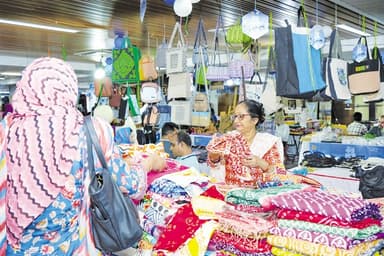




Pursuing a higher quality of life has become an all-consuming passion for many individuals in Bangladesh. Individuals put forth a lot of effort, frequently at the price of their health and well-being, to secure their financial future and advance in society. Yet the price of a lifeless existence is not worth the endless chase of economic achievement.
The hustle culture has become a prevalent phenomenon in Bangladesh, with the notion of hard work being deeply ingrained in the cultural fabric. People are encouraged to work hard, no matter the cost. The glorification of long work hours and constant productivity has led to a society obsessed with overworking.
In Bangladesh, over 50 per cent of workers work more than 48 hours per week, according to the International Labour Organization (ILO), despite the legal limit of 8 hours a day set by the Labor Act of 2006. While many people believe that working hard will lead to a better life, the reality is that this overwork can lead to exhaustion, burnout, and serious mental health problems.
The consequences of this work culture are far-reaching, with many suffering from fatigue and depression due to overworking. According to a recent study by Pulse, Bangladesh is the 5th most depressing country in the world.
The effects of overwork are not limited to mental health. Physical health can also be impacted, with long hours spent sitting at a desk contributing to a sedentary lifestyle. This can lead to obesity, heart disease, and other health problems.
Despite these risks, many Bangladeshis continue to push themselves to work long hours, believing that it is necessary to succeed in their careers. This mindset is reinforced by a culture that values hard work and success above all else.
The constant pursuit of economic success has also led to a culture of presentism. Employees feel compelled to stay at work even when unwell or burnt out, attributing this behaviour to job insecurity and a fear of losing their jobs.
The lack of work-life balance has also taken a toll on the family dynamics in Bangladesh. Parents are increasingly absent from their children's lives, with many working multiple jobs to make ends meet. The societal pressure to succeed economically has led to a decline in family values, with many prioritising work over their relationships with their loved ones.
The culture of overworking has also led to a decline in creativity and innovation, as people are too exhausted and burnt out to think outside the box. This has hindered the growth of small businesses and startups, which are the backbone of any developing economy.
Despite these obstacles, some businesspeople and activists are fighting against the overworking culture. They are promoting a better work-life balance by emphasising flexible work schedules and fewer working hours. Although various initiatives have been taken, Bangladesh's culture of excessive work hours persists. Many people are driven to excel financially, and worrying that they may fall behind is a continual cause of stress.
But there are signs of change. The COVID-19 pandemic has forced many businesses to adopt remote work arrangements, leading to a reevaluation of the traditional 9-5 workday. As companies have adapted to the new reality, many have found that they can operate effectively with a more flexible approach to work.
There is also growing recognition of the importance of mental health and well-being in the workplace. In 2019, the Bangladesh Association of Software and Information Services (BASIS) launched a mental health helpline for tech workers. The helpline provides support for those experiencing stress, anxiety, and depression. It aims to raise awareness of mental health issues in the tech industry.
But these initiatives need to be scaled up if real change is to be achieved. The government must be more active in regulating working hours and ensuring employers provide safe and healthy working conditions. Employers need to be more proactive in promoting a healthy work-life balance by offering flexible work arrangements and prioritising the well-being of their employees.
It's critical to understand that working nonstop is not necessarily the path to success and pleasure. It's crucial to take breaks, spend time with loved ones, enjoy hobbies, and pursue other interests to keep physical and mental health in check.
Bangladesh must advance its modernisation and development in a way that enhances the well-being of its people. This entails finding a happy medium between economic development and a good work-life balance and realising that achieving financial success shouldn't come at the expense of a lifeless one. It is also time for the people of Bangladesh to prioritise their well-being and build a sustainable, equitable, and fulfilling society.
tahnaf29@gmail.com