


Consumers in areas served by Titas Gas Transmission and Distribution Company Limited will continue to face severely low gas pressure following a sharp decline in the supply due to technical glitches at an LNG terminal in Cox’s Bazar, said the company.


In a press release issued on Thursday, it said technical problems at the Moheshkhali LNG terminal have reduced the gas supply to the national grid by around 550 million cubic feet per day (mmcfd).
As a result, consumers across all categories under the Titas distribution network, including residential, industrial, commercial, power generation and CNG sectors, will experience severely low gas pressure until the situation improves, the company said.
It said the temporary disruption in gas supply may continue until normal supply is restored and expressed sincere regret to consumers for the inconvenience.
The ongoing gas crisis was triggered by a fire at a floating storage and regasification unit (FSRU) in Moheshkhali on July 21.
The accident has reduced the country's total gas supply to below 2,150 mmcfd, down from an average of around 2,700 mmcfd that had been maintained over the past year, despite the national daily demand standing at nearly 3,800 mmcfd.
The fire at the FSRU operated by Excelerate Energy damaged one of its two boilers, forcing it to suspend operations, further plummeting the gas supply.
The government said international expert teams have been working at the terminal to fix the problems.
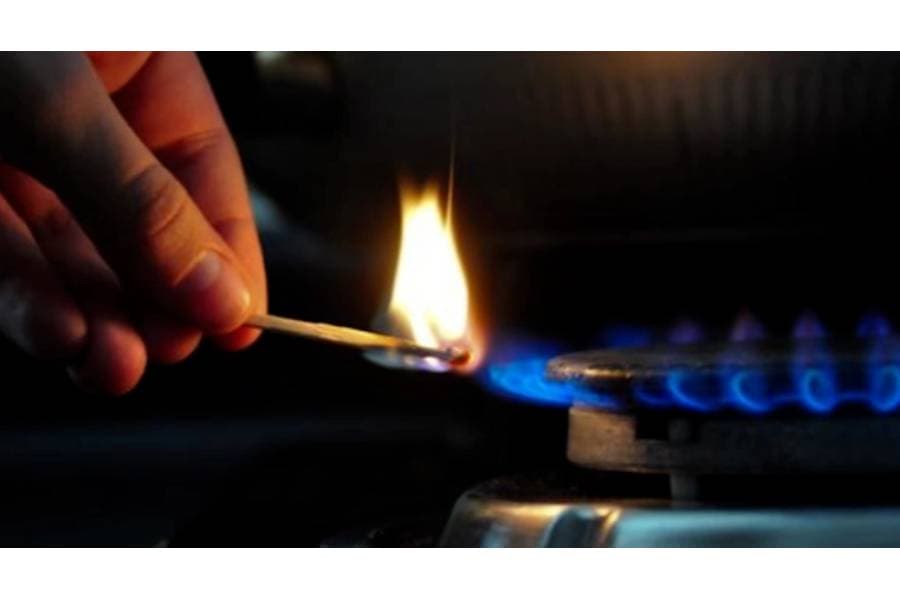
The severe supply shortfall has hit domestic kitchens the hardest, with gas pressure dropping to near zero or flickering feebly in many parts of the capital.
Residents in areas such as Mohammadpur, Kalabagan, Kafrul, Kazipara, West Tejturi Bazar, Mirpur, Rampura and Badda reported that stoves have remained unlit or unusable for days.
Beyond domestic kitchens, the shortage has severely impacted other sectors.
According to Petrobangla, gas-fired electricity generation has fallen by approximately 1,500 megawatts, raising concerns over widespread power cuts.
Long queues of vehicles have formed at CNG filling stations across the city, while industrial production has slowed down due to low gas pressure.