


For apparel makers, 2022 has been a very challenging year, to say the least. After facing two years of devastating consequences of the Covid-19, when the ready-made garment (RMG) industry was just recovering from the pandemic fallouts, the war in Ukraine flared up and plunged it into a renewed crisis. From supply-chain disruption to a fall in demand, a quadruple increase in freight cost to exorbitant rise in the prices of raw materials, the industry has since been beset with a myriad challenges.


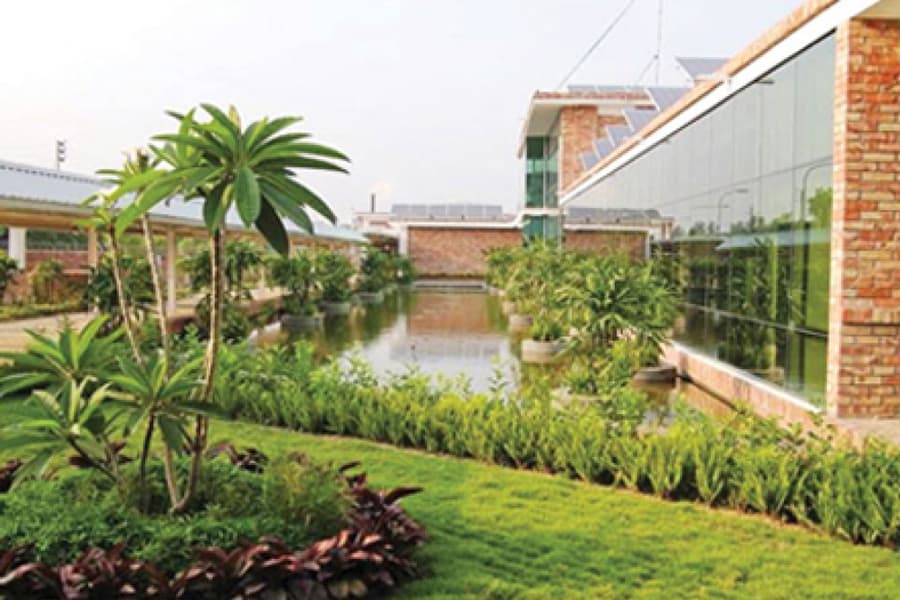
But 2022 wasn't all too bad. In spite of the multifarious challenges, Bangladesh RMG industry saw a stunning growth in the number of green garment factories in the cusp of a transformation. It is in 2022 that 30 garment factories received international recognition of being green---the highest number of factories being certified as green in a single year. It takes the total number of LEED-certified green garment factories of Bangladesh to 192.
In actual fact Bangladesh RMG industry's march toward environmental sustainability is unprecedented and unmatched anywhere in the world. It is also a manifestation of Bangladeshi apparel makers' resolute commitment and vigour to take the sector forward and meet ESG standard even in the face of seemingly insurmountable challenges.
May be mentioned here is that LEED (Leadership in Energy and Environmental Design) is the most widely used green building- rating system. Awarded by the United States Green Building Council (USGBC), LEED certification is a globally recognised symbol of sustainability achievement that is highly sought after but not easily attained. To receive the certificate, factories are required to maintain the highest standards regarding carbon emission, energy and water usage, waste management, indoor environmental quality etc under strict supervision of the USGBC.
Among the 192 Bangladeshi green garment factories, 68 are rated platinum, 110 gold and 10 silver while four simply received certifications. Some 550 more Bangladeshi factories have registered with the USGBC to receive the seal of LEED certification. We can also take special pride in the fact that nine out of the top 10 greenest factories in the world are located in Bangladesh. Moreover, out of 100 highest-scoring green garment factories, 53 are in Bangladesh, which makes the country a global leader in green garment production.
Bangladesh is one of the most vulnerable countries to climate change. Extreme climatic conditions such as floods, storms, heavy rainfall and heat waves are becoming increasingly frequent. To what extent climate change will change the world is still unclear, but one thing is certain: businesses can no longer grow at the cost of the environment. The decisions taken now and in the coming years will affect the planet. The present level of carbon emissions will determine the severity of climate change in future.
Green garment factories, therefore, could be the answer, the solution, to the problem of climate change. The rapid growth in the number of green garment factories is a clear indication that the RMG industry is committed to a cleaner and brighter future. Our factories are going through a period of transformation. Apparel makers are making bold and decisive decisions, like never before, to move towards environmental sustainability.
At the same time factories need to build up strong partnerships with buyers and brands to deliver on the environmental front for the greater good. Because the road to environmentally sustainable business operations won't be easy or economical, it initially requires vast amounts of capital, innovation and strong partnerships. It will also require strong commitment on part of the manufacturers and the brands' willingness to pay more for products manufactured in green factories.
RMG sectors' robust growth has transformed the lives of millions of Bangladeshis and enabled the country to graduate from the LDC category. At the same time, it has shown the world how to adopt environment-friendly manufacturing measures and create a safe and positive work environment. With its transition to green manufacturing, Bangladesh RMG industry has already become a role model for manufacturing nations across the globe. In a word, Bangladesh has set an enviable example of pursuing sustainable growth by doing environmental justice and setting a vision for a clean- energy future.
It is my firm belief that the Bangladesh RMG sector's ambitious green-factory campaign will catapult it up the manufacturing value chain and make it a global manufacturing hub in the near future.
Faruque Hassan is, President, BGMEA.
president@bgmea.com.bd