


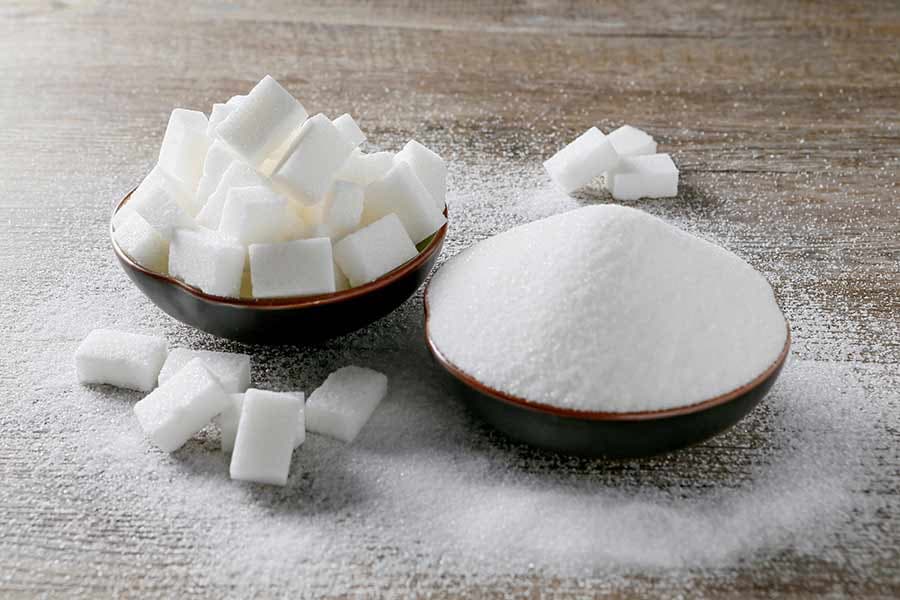
The presence of microplastics was found in all salt and sugar samples in a study conducted by the India-based environmental research organisation Toxics Link.


The study, titled ‘Microplastics in Salt and Sugar’, tested 10 types of salt -- including table salt, rock salt, sea salt and local raw salt -- and five types of sugar purchased from both online and local markets.
Microplastics were found in all salt and sugar samples, in various forms, including fibre, pellets, films and fragments. The size of these microplastics ranged from 0.1 mm to 5 mm, according to the study published on Tuesday.
The highest levels of microplastics were found in iodised salt, in the form of multicoloured thin fibre and films.
“The concentration of microplastics in the salt samples ranged from 6.71 to 89.15 pieces per kilogramme of dry weight,” India Today said in a report.
“Iodised salt had the highest concentration of microplastics (89.15 pieces per kilogramme) while organic rock salt had the lowest (6.70 pieces per kilogramme),” according to the study.
“In sugar samples, the concentration of microplastics ranged from 11.85 to 68.25 pieces per kilogramme, with the highest concentration found in non-organic sugar.”
“Microplastics are a growing global concern because they can harm both health and the environment. These tiny plastic particles can enter the human body through food, water and air.”
“Recent research has found microplastics in human organs such as the lungs, heart, and even in breast milk and unborn babies,” the report said.
Previous studies found that the average Indian consumes 10.98 grammes of salt and around 10 spoons of sugar every day -- much higher than the World Health Organisation's recommended limits