


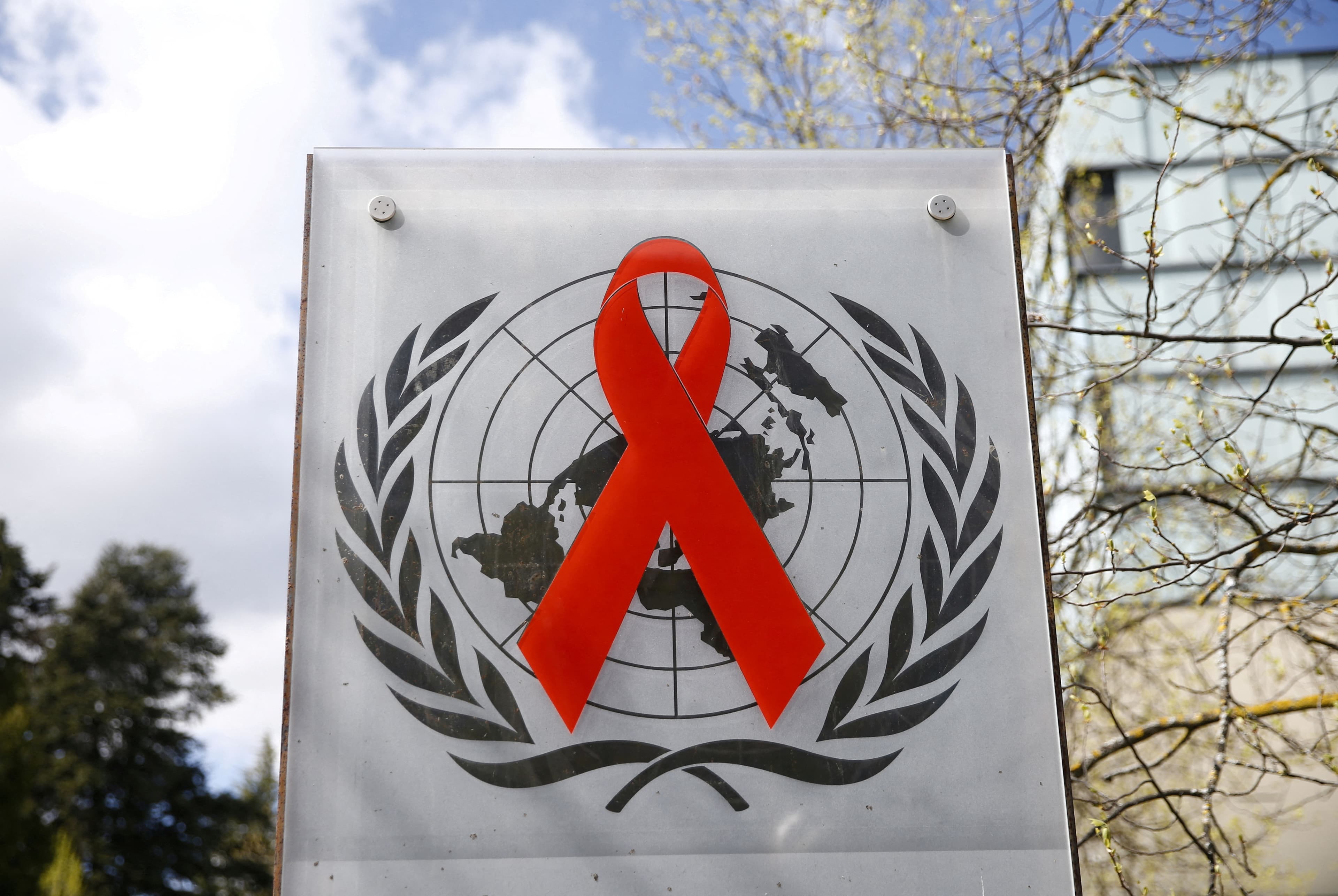
Global funding for the fight against HIV fell by nearly a fifth in 2025, raising the risk of a resurgence of the epidemic and threatening decades of progress, the United Nations agency dedicated to combating AIDS said on Monday.


The warning came in a 60-page report released by UNAIDS at the start of the International AIDS Conference in Brazil.
Washington had previously accounted for about 75% of international HIV funding before President Donald Trump's return to the White House in January 2025. After taking office, Trump ordered a temporary halt to all HIV-related funding before restoring life-saving HIV work days later, although most prevention programmes remained curtailed.
"The international community has entered a period of profound political and financial upheaval that threatens decades of hard-won gains against HIV," UNAIDS said in the report. "Without renewed commitment and action, the world risks a resurgence of the HIV epidemic."
Funding for HIV programmes fell 18% to $7.3 billion in 2025, the lowest level in nearly two decades, according to the report. UNAIDS said the decline risked reversing progress that had reduced new HIV infections and AIDS-related deaths to their lowest levels in more than 30 years.
"The current fragility of the HIV response puts these gains at risk unless global solidarity is restored and inequalities are addressed."
The report said the global goal of ending AIDS as a public health threat by 2030 remained off track. Reduced funding, along with other health crises such as Ebola, had slowed progress. About 1.2 million people acquired HIV last year, it said.
Higher domestic spending in some countries partly offset the impact of cuts in foreign assistance, resulting in an overall 6% decline in total HIV resources in 2025, the report said.
However, UNAIDS said not all governments were able to make up the shortfall. Some of the largest reductions in spending on HIV prevention programmes occurred in sub-Saharan Africa, which accounts for about half of new HIV infections globally.
National data from Cameroon, Nigeria and Zambia showed that the number of people receiving pre-exposure prophylaxis, or PrEP, fell by more than 50%.
"HIV funding disruptions severely impacted HIV prevention, testing and key components of treatment programmes, such as the range of community-led services that reach the people most affected by HIV," the report said.