Loading...



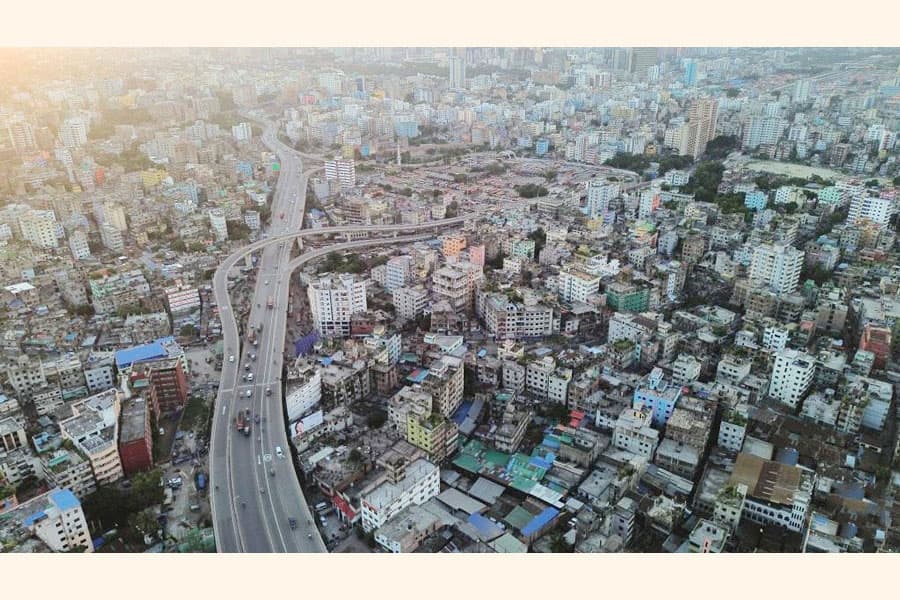
The 2026 Global Liveability Index published by the Economist Intelligence Unit presents a sobering assessment of Dhaka's living conditions. Among the 173 cities ranked this year, Dhaka sits at 171, ahead of only Tripoli and Damascus, two cities that continue to grapple with the aftermath of war and
A decade ago, a cat in a Dhaka apartment was an oddity, perhaps a stray taken in out of pity or a child's persistent demand. Today, it is increasingly a Persian or a Scottish Fold, bought for tens of thousands of taka, fed imported kibble, vaccinated at a private clinic, photographed for Facebook o
Corruption is widely recognised as one of the most significant barriers to economic development, efficient governance, and public trust. Yet despite decades of reform efforts across the developing world, corruption remains remarkably resilient. Governments establish anti-corruption commissions, int
Economists often describe development in terms of capital formation, productivity growth, industrialisation, technological innovation, and human resource development. Political scientists emphasise institutions, accountability, and state capacity. Yet beneath these technical concepts lies a more fu
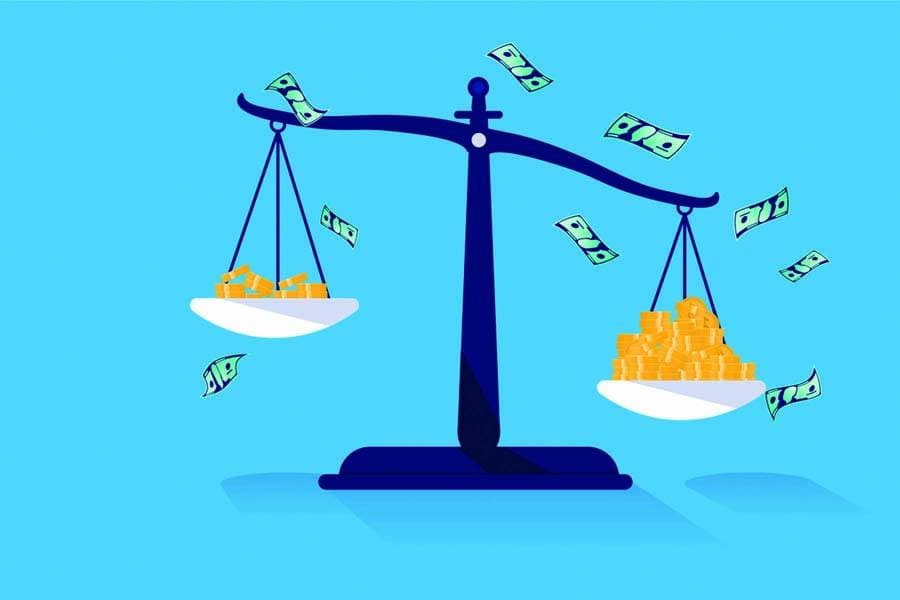
National budgets are usually discussed in the language of economics. Analysts focus on revenue collection, fiscal deficits, inflation management, and growth targets. Yet a budget is much more than a financial document. It is also a social contract. It reveals how a state prioritises competing needs
As Bangladesh prepares to observe Eid-ul-Azha this week - with the government having declared a seven-day holiday from 25 to 31 May 2026 - the country is in the grip of a familiar, feverish energy. The cattle markets of Dhaka, set up under the watch of the two city corporations, have been filling s
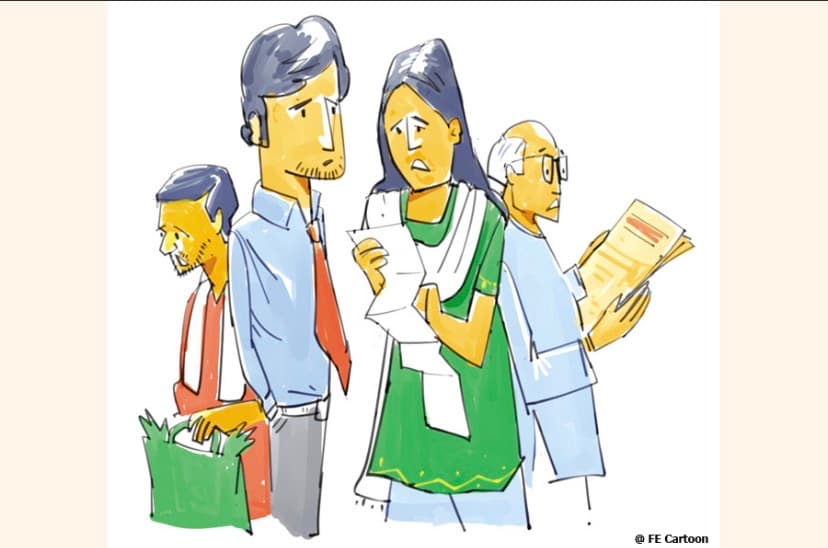
Every government that has ever sought power in Bangladesh has promised jobs. The promises arrive reliably with every election cycle and depart once the campaign dust settles. What makes the Bangladesh Nationalist Party's pledge in 2026 different - or claims to make it different - is its extraordina
Bangladesh has long been celebrated as one of development economics' most commendable success stories. Between 2010 and 2022, real GDP grew by 6.6 per cent annually, nearly doubling GDP per capita and reducing extreme poverty from 12.2 to 5.6 per cent, while multidimensional poverty declined from 4