


In an age where calendars are increasingly filled with international days, it is easy to dismiss them as symbolic rituals. Yet, behind many of these observances lies a growing urgency shaped by climate change, environmental degradation, and the unpredictable behaviour of nature itself and other significant issues. As modern technology accelerates urban lifestyles, it also distances people from the natural systems that sustain life. Recognizing this imbalance, the United Nations has endorsed numerous global days to inspire awareness and collective action.


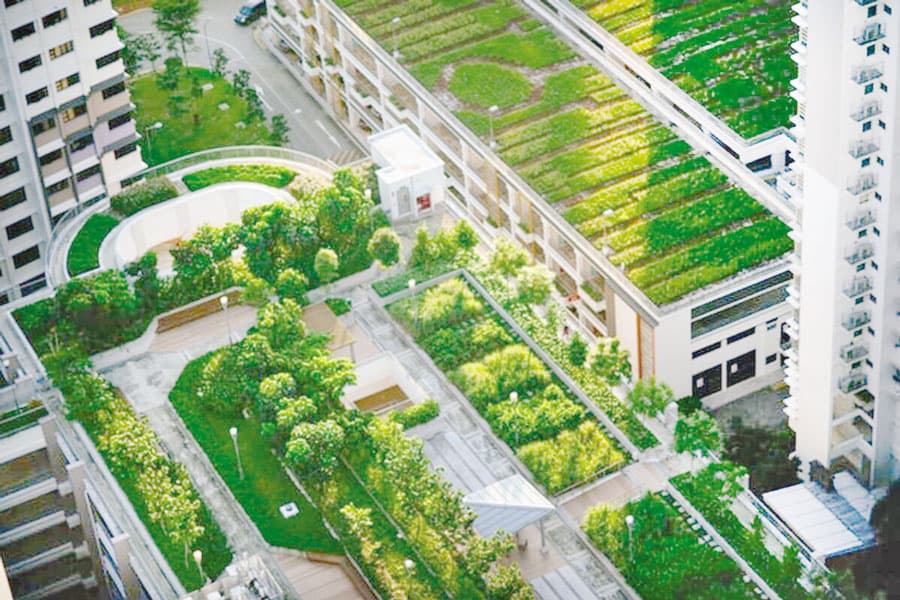
One such observance, World Green Roof Day (June 6), arrives immediately after World Environment Day (June 5)-forming a meaningful continuity. Since its inception in 2020, World Green Roof Day has created a global platform to celebrate and promote vegetated rooftops as a practical, nature-based solution for urban challenges. The 2026 theme, Nature, reinforces a simple but powerful idea: nature is not separate from cities-it can be integrated into them.To mark the Day, the Urban Agriculture Foundation is set to organise a discussion meeting and showcase programme in the capital that brings urban farmers into the spotlight. The event will highlight innovative rooftop gardening practices, share practical knowledge on sustainable urban agriculture, and create a platform for farmers, experts, and citizens to exchange ideas. By celebrating local initiatives and success stories, the programme aims to inspire wider adoption of green roofs and strengthen community engagement in building greener, more resilient cities in Bangladesh.
For a country like Bangladesh, where rapid urbanisation is reshaping skylines and lifestyles, the relevance of green roofs is both immediate and profound. Cities such as Dhaka are expanding vertically, often at the cost of green spaces. Concrete structures dominate, trapping heat, worsening air quality, and increasing vulnerability to flooding. In this context, rooftops-once neglected or underutilised-offer an untapped opportunity to restore ecological balance.
Green roofs can play a transformative role in Bangladesh's urban future. By covering rooftops with vegetation, cities can significantly reduce the urban heat island (UHI) effect-a phenomenon in which metropolitan areas experience much higher temperatures than surrounding rural regions due to heat-absorbing construction materials, limited vegetation for natural cooling, and concentrated human activities. Green roofs help counter this effect by absorbing less heat and promoting evapotranspiration, thereby cooling the surrounding environment. As a result, buildings remain naturally cooler, reducing the need for air conditioning and ultimately lowering overall energy consumption.
They also improve air quality by absorbing pollutants and carbon dioxide. During heavy rainfall-a growing concern due to climate variability-green roofs help absorb and delay runoff, easing pressure on drainage systems. Beyond environmental benefits, they contribute to mental well-being, offering urban residents a rare connection to greenery.
Encouragingly, rooftop gardening is gradually gaining popularity in Bangladesh through the intervention of Department of Agricultural Extension (DAE) and many environment-centric platforms. From small household gardens to community initiatives, citizens are beginning to rediscover the value of green spaces above their heads. However, this momentum needs structured support, policy backing, and wider public awareness to reach its full potential.
To truly align with the spirit of World Green Roof Day, Bangladesh needs to move beyond symbolic observance and embrace a set of practical, forward-looking actions. At the policy level, urban planning frameworks can play a decisive role by encouraging green roofs through incentives such as tax rebates, subsidies, or even mandatory inclusion in large-scale construction projects. Such measures would not only motivate developers but also gradually transform cityscapes into more climate-responsive environments. In this regard, REHAB can play a pivotal role by taking proactive responsibility to ensure that high-rise apartment projects incorporate rooftop gardening, rainwater harvest and solar energy facilities as standard features, thereby aligning urban development with sustainability goals.
Equally important is building public awareness. Educational institutions, media outlets, and local government bodies can work together to promote the benefits of rooftop greening-ranging from temperature regulation to food production-while also demonstrating simple, practical ways for citizens to get started. Awareness, when paired with accessibility, can turn curiosity into action.
However, enthusiasm alone is not enough without technical support. Many urban residents hesitate due to concerns about cost, maintenance, and structural safety. Providing clear guidelines, hands-on training, and affordable solutions can help overcome these barriers, making rooftop gardening a realistic option for a broader segment of the population. The DAE has strong institutional capacity to provide technical support, as evidenced by its leadership of an urban agriculture development project in 2018. Under this initiative, the organisation established 600 rooftop gardens in the capital and provided supervision to approximately 6,975 rooftop gardens.
Community-based approaches can make an even bigger difference. Shared rooftop gardens in apartment buildings or neighbourhoods can bring people together, build stronger social connections, and create much-needed green spaces in crowded urban areas. These joint efforts not only support environmental sustainability but also give residents a sense of ownership and belonging.
Finally, sustained progress will depend on research and innovation. Universities and research institutions have a crucial role in identifying climate-resilient plant varieties, developing cost-effective green roof designs, and adapting global practices to Bangladesh's unique environmental and socio-economic conditions. By integrating policy, awareness, support, community engagement, and research, Bangladesh can turn its vast rooftop spaces into a powerful tool for sustainable urban transformation. World Green Roof Day is more than a celebration-it is a reminder that solutions to global challenges often lie in simple, local actions. In Bangladesh, where land is scarce but rooftops are abundant, embracing green roofs is not just an environmental choice; it is a necessity for sustainable urban living.By turning grey rooftops into green landscapes, Bangladesh can take a meaningful step toward a cooler, cleaner, and more resilient future-one rooftop at a time.
Md. Refatul Hossain, former Additional Director, DAE and Senior Consultant,Agronochain Ltd.
refatdae87@gmail.com