


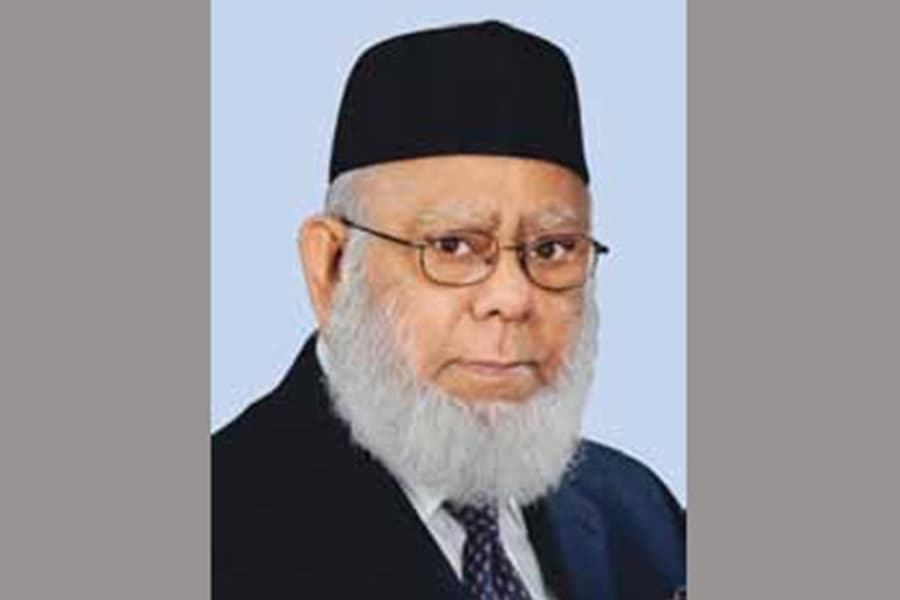
International Chamber of Commerce (ICC) Bangladesh President Mahbubur Rahman on Thursday called for bold structural reforms, stronger public-private collaboration and accelerated investment in infrastructure to help Bangladesh navigate mounting global uncertainties and prepare for its post-Least Developed Country (LDC) era.


Addressing the 31st Annual Council of ICC Bangladesh at Hotel Sheraton Dhaka, Mahbubur Rahman said the country stood at a defining moment in its economic journey as geopolitical tensions, supply chain disruptions and domestic structural weaknesses continued to weigh on growth.
He warned that conflicts in Ukraine, Gaza and the Middle East, along with disruptions in the Red Sea and the Strait of Hormuz, had heightened global economic uncertainty, pushing up energy prices, freight costs and inflation. For an import-dependent economy like Bangladesh, these developments pose significant risks to trade, energy security and macroeconomic stability, he said.
Referring to projections by the International Monetary Fund (IMF) and the World Trade Organization (WTO), he noted that slowing global growth and rising protectionism underscored the need for Bangladesh to strengthen its competitiveness, diversify export markets and build greater economic resilience.
Mahbubur Rahman said Bangladesh had made remarkable progress over the past five decades and was now approaching another historic milestone with its graduation from the LDC category. However, he cautioned that the transition would require stronger institutions, improved competitiveness and sustained economic reforms.
He noted that economic growth had slowed to around 3.7 per cent in 2025 due to global uncertainty, energy shortages, subdued private investment and macroeconomic pressures. Despite these challenges, record remittance inflows of US$32.8 billion and steady export earnings had helped support the economy.
The ICC president identified controlling inflation and restoring private-sector confidence as the country's immediate priorities. He also stressed the need to strengthen the banking sector by addressing high non-performing loans, governance shortcomings and capital adequacy concerns.
Ensuring long-term energy security through diversification and greater efficiency, he said, would be critical to sustaining industrial expansion and export competitiveness.
As Bangladesh prepares for LDC graduation, Mahbubur Rahman called for stronger domestic revenue mobilisation, prudent debt management and the timely conclusion of Economic Partnership Agreements (EPAs) and Free Trade Agreements (FTAs) to offset the gradual loss of preferential market access and concessional financing.
He also urged the government to create a more predictable and business-friendly investment climate to attract investment, generate employment and diversify exports.
Highlighting infrastructure as a key driver of competitiveness, Mahbubur Rahman proposed the construction of a modern elevated expressway between Dhaka and Chattogram, saying the project would significantly improve logistics efficiency, reduce transport costs, enhance export competitiveness and strengthen regional connectivity. He also invited the Asian Development Bank (ADB) to support the project through financing and technical assistance.
Referring to Fitch Ratings' recent revision of Bangladesh's outlook from stable to negative while affirming its 'B+' sovereign rating, he said the move highlighted the urgency of strengthening macroeconomic stability, governance, financial sector resilience and overall competitiveness.
"With bold reforms, sound macroeconomic management and stronger collaboration between the government and the private sector, Bangladesh can transform today's challenges into tomorrow's opportunities and emerge as a more competitive and prosperous economy," he said.
bdsmile@gmail.com