


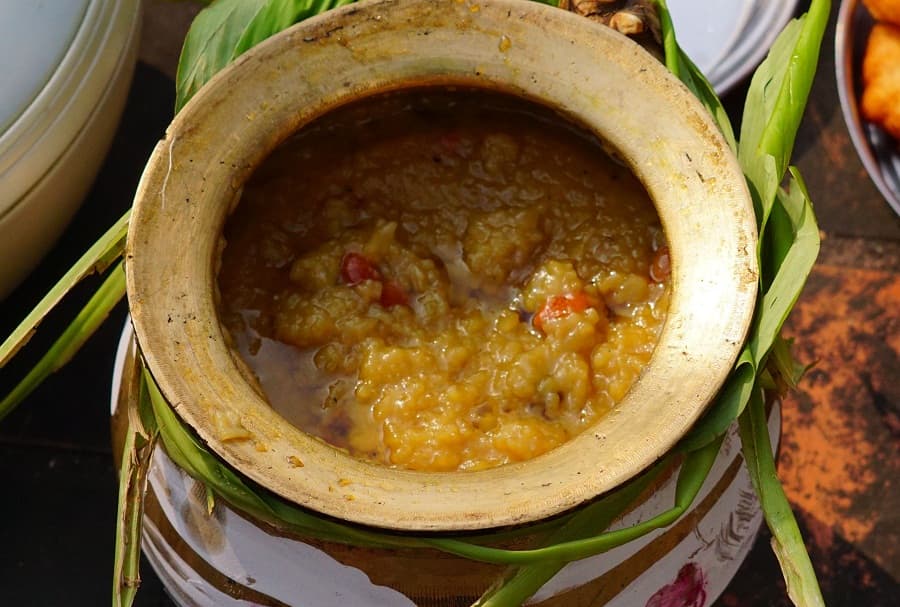
The first monsoon rains mean more than just relief from the summer heat. They also trigger a popular appetite for a piping hot plate of khichuri across Bangladesh. Within a few days, pictures of the golden rice or lentils served with fried hilsa, egg bhuna, beef, seasonal vegetables or crispy fritters start pouring in on social media. Rain and khichuri go hand in hand for many. What makes this simple one-pot dish the nation's favourite comfort food on a rainy day?
Khichuri is a traditional dish of Bengali cuisine and has been a part of Bengali food for centuries. Over the years, it has been adapted into the dishes consumed in the region today.
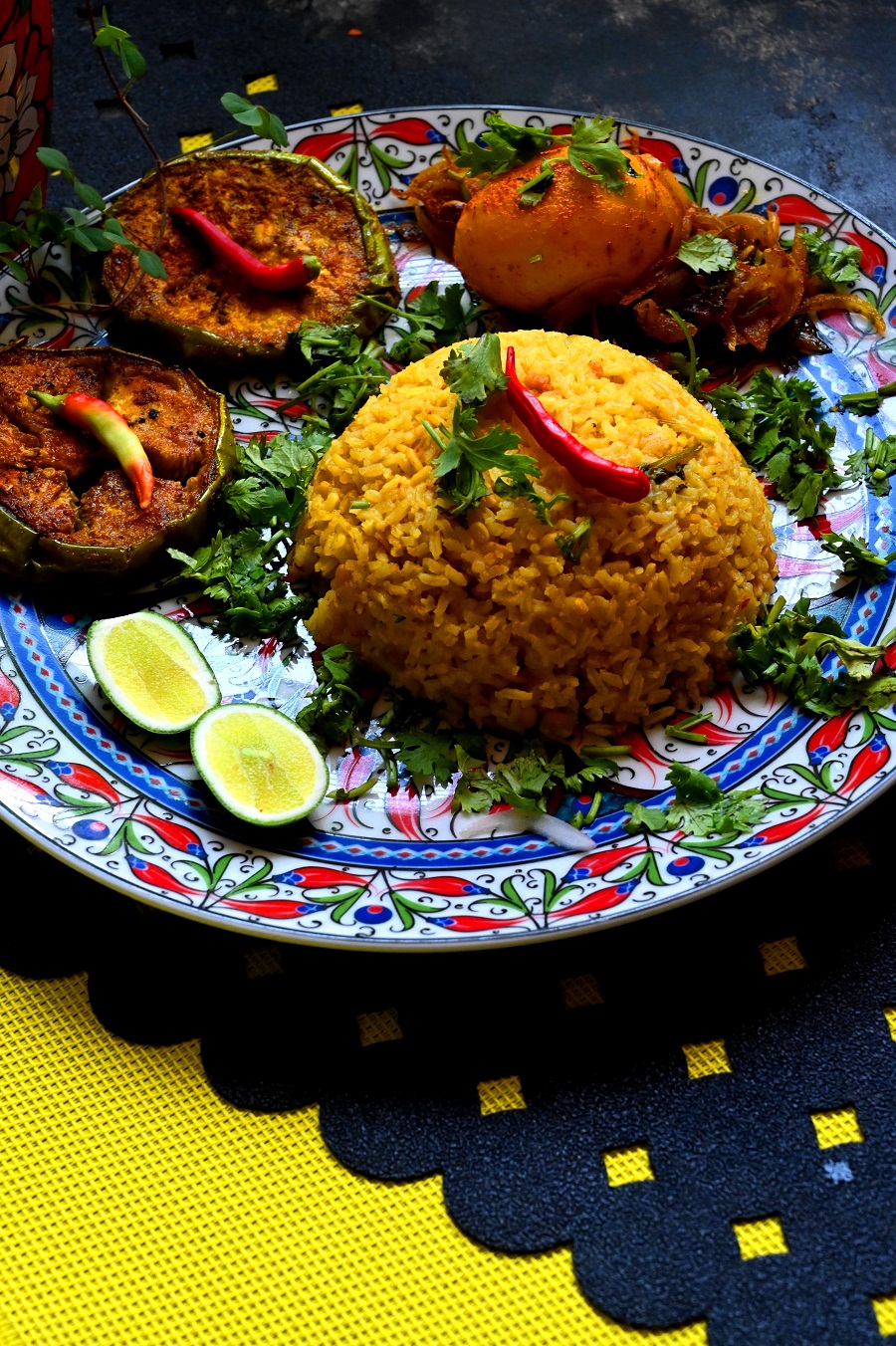
But in Bangladesh, it has become more than just the daily fare. It was found to be utilised at family gatherings, religious events, community feasts, and, of course, during monsoons.
It's also popular for a genuinely practical reason. In rural areas, most households used clay stoves that ran on wood and were situated in separate earthen kitchens before the availability of gas stoves and improved kitchens.
Rainy days, when the rain is pouring down, make it difficult to gather dry firewood, keep the stove going, and cook several meals.
One easy solution was to have rice, lentils and seasonal vegetables together in one pot.
Khichuri was easier to prepare than other meals, needed less fuel, fewer utensils, and less time, and was an efficient meal for families during the rainy season. But that was not always the case. The dish has a long history of helping people survive famines.
Khichuri's relation to famine, relief, and poverty
Khichuri has served as a vital instrument of survival during catastrophic economic distress and food crises in Bengal, most notably during the devastating Bengal Famine of 1943.
As war-time inflation, hoarding, and colonial policy created artificial starvation across rural Bengal, community kitchens, charity networks, and makeshift state relief camps heavily relied on mass-produced Khichuri. Scholarly literature deeply documents this grim socioeconomic reality.
In his historical study Hungry Bengal: War, Famine and the End of Empire, historian Janam Mukherjee analyses the structural collapse that reduced rural populations to absolute destitution, forcing them to depend entirely on meagre public relief distributions.
Complementing this, Sailen Sarkar's survivor-testimony compilation Monontorrer Shakkhi records vivid accounts from affected regions like Medinipur.
These accounts capture how the steaming pot of relief Khichuri became the literal dividing line between life and death for millions.
Beyond historical tragedies, Khichuri remains deeply tied to structural poverty in modern South Asia.
Economists and food security researchers frequently utilise a metric known colloquially as the Khichuri Index. By measuring the cost of basic ingredients (rice, lentils, oil, and salt) against daily wage labour earnings, economists track how fluctuating inflation impacts lower-income households.
For millions of daily-wage earners, Khichuri is both a symbol of economic vulnerability and an ingenious method of food resourcefulness: a one-pot meal that conserves scarce cooking fuel and maximises nutritional intake when resources are severely constrained.
There is another explanation from psychology. They call the phenomenon associative memory, the brain's tendency to associate certain foods with experiences and feelings.
Rain brings back memories of many afternoons in Bangladesh spent inside as the delicious aroma of simmering rice, lentils and spices filled the kitchen. When you hear about khichuri, these memories evoke an emotional attachment, making khichuri feel comforting before you even take a bite.
Weather also does have an impact on our food decisions. Rainy days tend to be cooler and wetter, and we enjoy warm, delicious food more during rainy days.
Hot khichuri is a source of warmth and comfort while also being familiar, soothing, and easier to eat during a slower monsoon afternoon.
In addition to being a nostalgic dish, khichuri is also nutritious. Lentils are a source of plant protein, dietary fibre, iron, folate and other essential nutrients, and rice is a source of carbohydrates for energy.
Serving it with seasonal vegetables and with eggs, fish or lean meat makes it a balanced meal that provides a variety of nutrients in a single meal.
It is also soft and easily digestible, so it is good for children, older people and people convalescing. But experts recommend watching how it is prepared.
Too much ghee, oil, or deep-fried side dishes can add a lot of calories and saturated fat to the meal. The healthier version is rich in vegetables, with moderate oil and lean protein, and retains taste.
In the end, Bangladeshis' affection for khichuri during the rainy season is more than just a matter of hunger. It's a tradition rooted in the monsoons, the rural way of life, and the nation's family traditions. As the smell of rice, lentils and spices fills the kitchen every rainy season, khichuri is a reminder of how the simplest of meals can have the richest of stories to tell.
jarinrafa20@gmail.com