


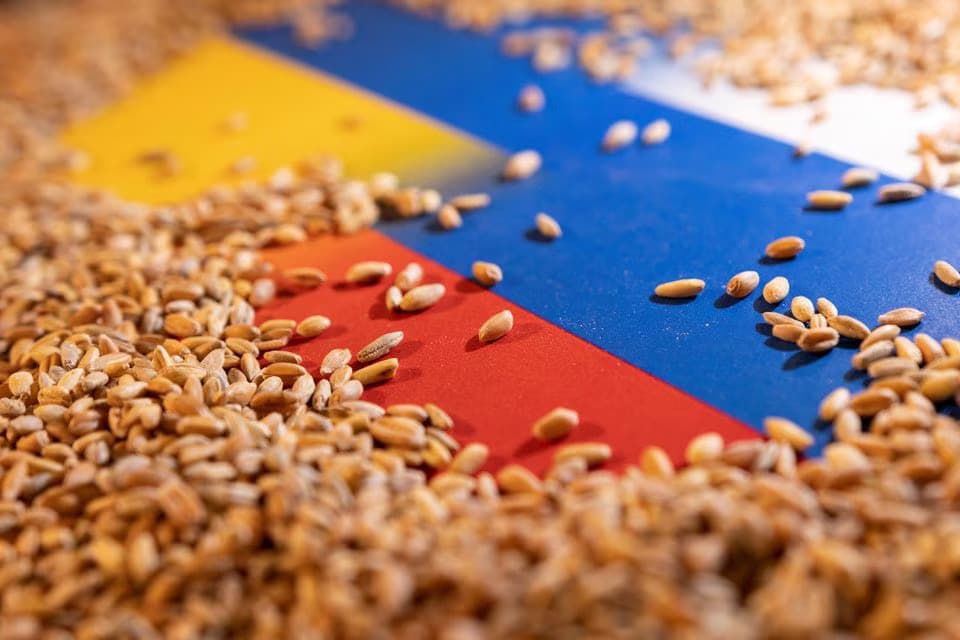
No sign is yet in sight of extension of a grain deal beyond July 17 that will allow safe passage of ships carrying food grains through the Black Sea. Last year Turkiye brokered the grain deal between Russia and Ukraine after outbreak of the war the two sides are still fighting. Russia is angry about aspects of the grain deal's implementation. As negotiation is continuing on extension of the grain deal, Russia has set two conditions-restoration of ammonia supply via a pipeline through Ukraine to the port of Odesa so that it can enter the world market, and restoration of the access to SWIFT payments system. The European Union (EU) has suggested that Russia create a subsidiary of the sanctioned agriculture bank to access the SWIFT for making international payments. But Russia has not accepted the suggestion. So, both the conditions set by Russia remain unmet. This time also, Turkish President Recep Tayyip Erdogan has stepped in to find a solution. Ukrainian President Volodymyr Zelenskiy will meet Erdogan. All eyes are on the meet between the two leaders as the world badly needs extension of the deal.


With nine more days to go before the deal expires, hectic efforts are there to hammer out a solution. But the two warring sides are seemingly sticking to their own guns. They are not budging an inch from their respective stances. In such a situation, extension of the deal will be difficult and in that case life will not be that easy in many parts of the world including Bangladesh. Already the world is bearing the brunt of the Russia-Ukraine war which broke out in the wake of the catastrophic spread of coronavirus in 2020. The battle with soaring inflation across the world is still not over. If the grain deal is not renewed, the impoverished African nations will be the worst-affected, because they are heavily dependent on the supplies from Ukraine.
Bangladesh is also not immune to any disruption to shipments from Ukraine. Ninety per cent of food grains from Ukraine are shipped through the Black Sea. Reportedly Bangladesh is the third largest importer of Ukrainean wheat. The demand for wheat in the country is 7.5 million (75 lakh) tonnes while the country produces only 1.1 million (11 lakh) tonnes. The shortfall is met with imports. Last year the country imported 2.3 million tonnes of wheat from Ukraine. Any disruption to import of the food grain from the war-torn country will push up the prices of bakery items here in Bangladesh.
Another important food grain imported from Ukraine is maize, which is used for different purposes including its use as fodder for animals as well as feed. If the supply of maize is disrupted, the prices of poultry birds and eggs will increase further. We are dependent on Ukraine for some other commodities also. However, Bangladesh is already reeling from an inflationary pressure which was as high as 9.02 per cent in June last. To a great extent, this is imported inflation attributed to high prices in the international markets and the fluctuating exchange rate. Any further imported inflation will make life harder here. To shield the people from the external price shock, the authorities concerned can plan beforehand to tap the alternative sources of food grain abroad. On the other hand, the government can plan production of the import-substitute crops locally. As Bangladesh is an agrarian country, the government should encourage the farmers to cultivate these crops on a large scale and give them incentives, if necessary.