


The modern retailing sector in Bangladesh has seen a steady evolution as consumer preferences shift toward convenience, transparency, and superior service. Standing at the forefront of this transformation is Meena Bazar, one of the country's pioneering supermarket chains.
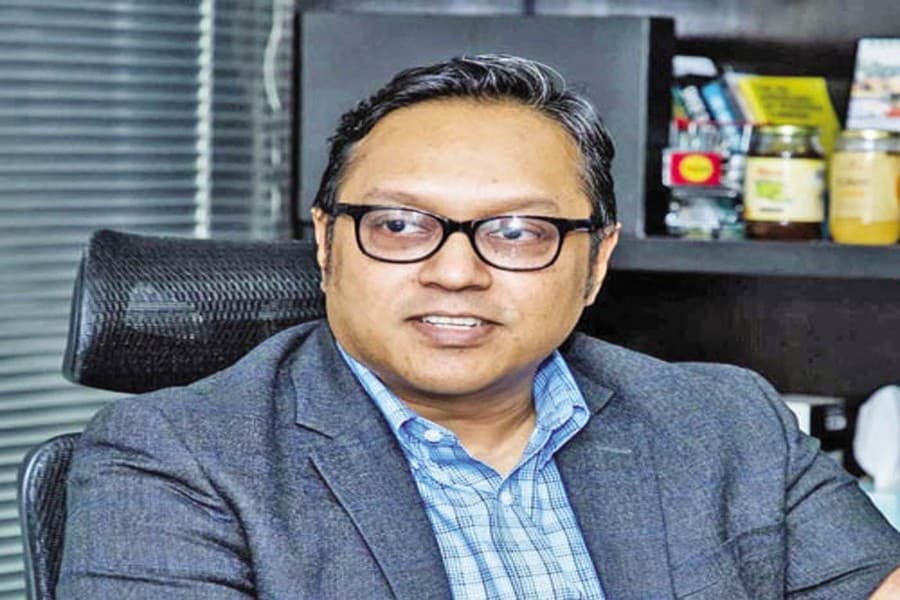
In an exclusive conversation with The Financial Express, Mr. Shameem Ahmed Jaigirder, Chief Operating Officer (COO) of Meena Bazar, shares the strategic vision behind their highly acclaimed "Back to Root" initiative -- a project designed to bypass traditional middlemen, empower grassroots growers, and deliver fresher, safer produce to urban tables.
Following are the excerpts of the interview:
Q. Welcome to this conversation with The Financial Express. To start off, could you give us an overview of the country's modern retail sector? How is Meena Bazar currently introducing new programmes to adapt to this landscape?
A: Thank you. The sector is growing remarkably well. Consumers increasingly prefer better service, hygiene, and convenience in their daily shopping habits. Additionally, the government has provided crucial policy support to our industry, notably with the exemption of VAT early last year, which gave the entire organized retail sector a significant boost.
At Meena Bazar, we are continuously introducing new programmes to stay ahead of these shifting dynamics. The most notable initiative I can mention right now is our "Back to Root" programme, which focuses deeply on sustainability and supply chain equity.
Q. What fundamentally inspired Meena Bazar to launch the "Back to Root" initiative, and how does it address systemic inefficiencies in Bangladesh's traditional farm-to-retail ecosystem?
A: The inspiration behind "Back to Root" came from a simple observation: the people who work the hardest in our food chain -- the farmers -- often receive the smallest share of the final value, while consumers end up paying more than they should.
In the traditional agricultural supply chain, produce passes through several layers of traders before reaching retail shelves. Each layer adds cost, handling time, and risks quality deterioration. We felt there had to be a better way.
"Back to Root" was created to bridge the gap by connecting the farmer directly with the consumer through an organized retail platform.
By shortening the supply chain, we can improve farmer earnings, reduce wastage, ensure fresher products, and provide better value to customers. It is about creating a more efficient, transparent, and sustainable food logistics system for Bangladesh.
Q. Your sourcing model is highly unique because it is entirely inclusive -- spanning large-scale commercial entities, rural smallholders, and urban rooftop/backyard homegrowners. What was the strategic rationale behind integrating such diverse supplier tiers into a single corporate supply chain?
A: Our belief is that good food can come from anywhere, not just from large commercial farms. Bangladesh has thousands of small farmers producing excellent crops. At the same time, many urban families are growing safe, chemical-free vegetables and fruits on rooftops and in home gardens. Traditionally, these grassroots producers have had no structured route to the market.
We wanted to create a platform where every grower, regardless of size, could participate. A farmer with 50 acres and a family growing vegetables on a rooftop should both have an opportunity to access a modern retail market if they meet our quality standards. This inclusiveness strengthens our supply chain, promotes local production, encourages safe farming practices, and creates additional income opportunities. It also builds a sense of community ownership around food production.
Q. The traditional agricultural trade heavily relies on multiple layers of middlemen. How does "Back to Root" successfully bypass these channels to guarantee direct, equitable market access and fair pricing for small-scale and amateur producers?
A: Our approach is very straightforward: we engage directly with producers. We achieve this through farmer engagement initiatives, field visits, and digital promotion. We are also planning to invest in strategic collection points and partner with agricultural organizations to establish deeper relationships with growers. Once farmers are onboarded and trained, they can supply produce directly into our procurement system.
This removes several layers of intermediaries between the producer and the consumer. As a result, farmers receive a higher share of the final selling price while gaining direct access to end consumers. For many small growers, the biggest challenge is not production; it is market access. "Back to Root" solves that challenge by providing a dependable route to market without requiring them to negotiate through multiple middlemen.
Q. By eliminating unnecessary intermediaries, direct sourcing aims to achieve two conflicting goals: paying higher margins to farmers while keeping prices affordable for supermarket consumers. How does Meena Bazar balance this math?
A: This is actually where direct sourcing creates its biggest advantage. When multiple trading layers are removed, the costs associated with transportation, handling, storage, commissions, and repeated markups are significantly reduced. Instead of those savings being absorbed by intermediaries, they are shared between farmers and consumers. "Shared" is the key word here -- both sides get value for money.
Farmers earn more, while customers pay less for fresher products. It is not about squeezing one side to benefit the other; it is about improving efficiency throughout the system. The better the supply chain performs, the more value we create for everyone involved. That is the core economic logic behind "Back to Root."
Q. Consolidating highly perishable goods from a scattered network of farms presents immense logistical challenges. How has Meena Bazar optimized its collection, transit times, and post-harvest waste mitigation?
A: Fresh produce is a race against time. Over the years, Meena Bazar has developed strong supply chain capabilities through its retail operations. Under "Back to Root," we have focused on faster collection, route optimization, demand forecasting, and quicker movement of products from farm to shelf.
We work closely with growers to align harvest schedules with daily demand, reducing unnecessary delays and overproduction. In some cases, we buy the majority or the entirety of a harvest, which relieves farmers of the stress of selling in local huts. Products are collected, sorted, transported, and distributed through streamlined processes to minimize unnecessary handling. The result is reduced wastage, improved shelf life, and superior product quality.
Q. Meena Bazar has placed a strong emphasis on Good Agricultural Practices (GAP). How do you implement uniform chemical-free and safety compliance across all levels, particularly for smallholders or homeowners who lack formal agricultural training?
A: Education is the foundation of this initiative. We work closely with organisations like the Hortex Foundation and agricultural experts to provide awareness, training, and guidance on Good Agricultural Practices. Our goal is not simply to buy produce; it is to reach a point of efficiency where we actively help producers improve how they grow it.
We also provide farmers with an understanding of modern retail. We expose them to the concept of supermarkets and even have them visit our stores to see their produce displayed and interact with consumers directly. We believe that when knowledge reaches the grassroots level, the entire food ecosystem benefits.
Q. What measurable financial impacts have you observed among the participating farming communities, and how are urban retail consumers responding to the freshness and traceability of the products?
A: Although the initiative is still growing, the early results are very encouraging. Many participating growers are reporting better returns because they have direct access to an organized retail buyer and a broader customer segment. They also benefit from more predictable demand and reduced market uncertainty. Because they can count on us to buy the majority of their harvest at one go, it secures their livelihood.
On the consumer side, the response has been overwhelmingly positive. Customers increasingly want to know where their food comes from and how it was produced. Freshness, safety, and traceability are becoming crucial purchasing factors. When customers see produce sourced directly from farmers and local communities, it builds a deep level of trust. Furthermore, during these turbulent economic times, sourcing directly cuts out unnecessary costs, making high-quality products more affordable for our consumers. That trust is one of the most valuable outcomes of this initiative.
Q. With representatives from the Ministry of Agriculture observing your recent farmer-engagement programmes, how critical is the role of organized retail in driving technology adoption, modernization, and sustainability across Bangladesh's agricultural sector?
A: I believe organized retail can play a truly transformational role. Retailers sit exactly at the intersection of producers and consumers. Because we understand consumer demand and quality expectations, we can effectively communicate those requirements back to farmers and encourage modern production practices.
Organised retail can introduce better forecasting, robust traceability, strict quality standards, and technology-driven procurement systems. It also provides a reliable market that encourages farmers to invest in improving their productivity and sustainability. Government bodies, agricultural institutions, and private-sector retailers all have vital roles to play. When these stakeholders collaborate, the impact is both significant and long-lasting.
Q. What is your definitive long-term vision for the "Back to Root" project over the next five to ten years? How do you foresee this decentralized, direct-to-consumer blueprint permanently reshaping the nation's food security and supply network?
A: Our vision is to build the largest direct agricultural sourcing network in Bangladesh. Over the next five to ten years, we want to connect thousands of farmers, homegrown producers, and agricultural communities directly to consumers through a transparent, technology-enabled platform.
We envision a future where farmers receive fair compensation, consumers enjoy safer, fresher food, and food moves through fewer unnecessary layers before reaching the dining table. If scaled successfully, this model will strengthen food security, drastically reduce post-harvest losses, elevate rural incomes, encourage sustainable farming, and make Bangladesh's agricultural supply chain far more resilient.
Q: Mr. Jaigirder, thank you so much for your time and for sharing these insights with us.
A: Thank you very much, and my sincere thanks to the readers of The Financial Express. We look forward to welcoming you to our stores to experience the "Back to Root" difference firsthand.
saif.febd@gmail.com