


The prosecution of the International Crimes Tribunal (ICT) has found that bodies of those killed in the July Uprising were “dumped in a river near Dhaka to conceal evidence, from at least one hospital”.
It says those responsible, including hospital officials if implicated, will be brought to justice.
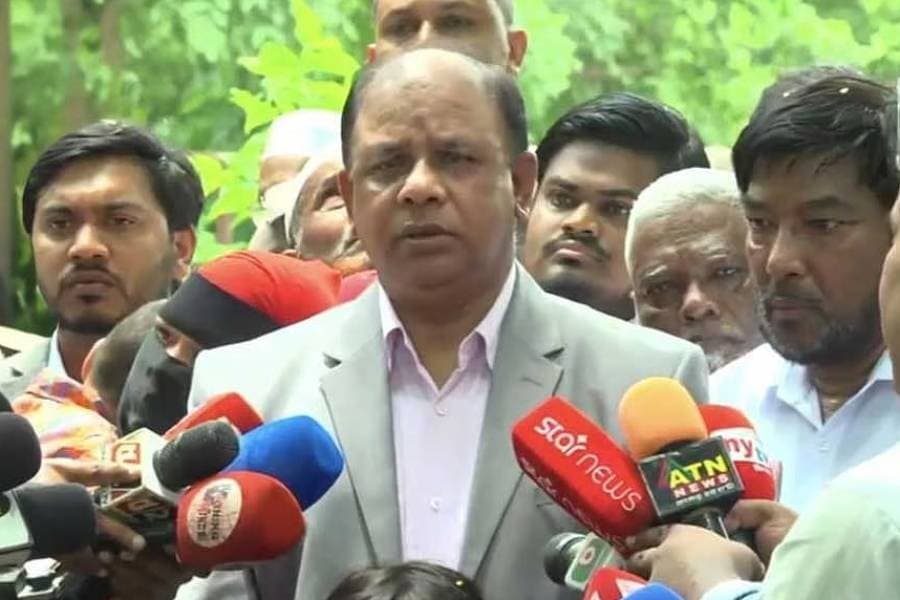
On Wednesday, Chief Prosecutor Md Aminul Islam disclosed the information after visiting a “mass” grave containing the remains of 114 victims at the Martyred Intellectuals Memorial graveyard in Rayerbazar.
The tribunal’s prosecution team and its investigation agency jointly inspected the “mass” grave.
Referring to a United Nations report, Aminul said around 1,400 people were killed and about 25,000 were left permanently disabled during the July Uprising.
He said investigators have so far identified 834 victims whose names have been included in the official gazette.
“We suspect some of the 114 people buried in this mass grave are among those yet to be identified.”
Speaking about hospitals during the Uprising, Aminul said many bodies of victims were never entered into hospital registers.
Instead, he said, they were disposed of as unclaimed bodies, while in other cases relatives buried victims without inquest reports or postmortems.
According to him, investigators have also received information that numerous bodies from one hospital were floated into a river near Dhaka.
The prosecution is trying to identify the hospital, its then authorities and everyone involved, he said, adding that those responsible would also face trial.
Asked about the allegation, Aminul said investigators were working to identify the bodies believed to have been dumped in the river.
He said investigators would also inspect “mass” graves in Jurain, Matuail, Narayanganj and Munshiganj.
DNA testing has already begun to identify victims buried in the graves, he said, adding that some reports have been received while the investigation remains under way.
According to Aminul, investigators are working through the UN list of around 1,400 victims to identify every person killed during the Uprising.
He pledged that everyone responsible for the killings, regardless of position, would be brought to justice.
The chief prosecutor also urged families of victims to stay in contact with the prosecution and investigation teams so they could be informed as new findings emerge.
Calling on the public to assist the investigation, Aminul urged anyone with relevant information or evidence to come forward.