

They don't write men like that anymore, or do they?
Published :
Updated :
 For all latest news, follow The Financial Express Google News channel.
Here is something women from every corner of this planet will admit at 2 a.m., though rarely in polite company, that we have been studying fictional men. We rewind scenes, pause on moments, and construct elaborate internal arguments for why Lloyd Dobler is a more evolved human being than most men we have actually dated.
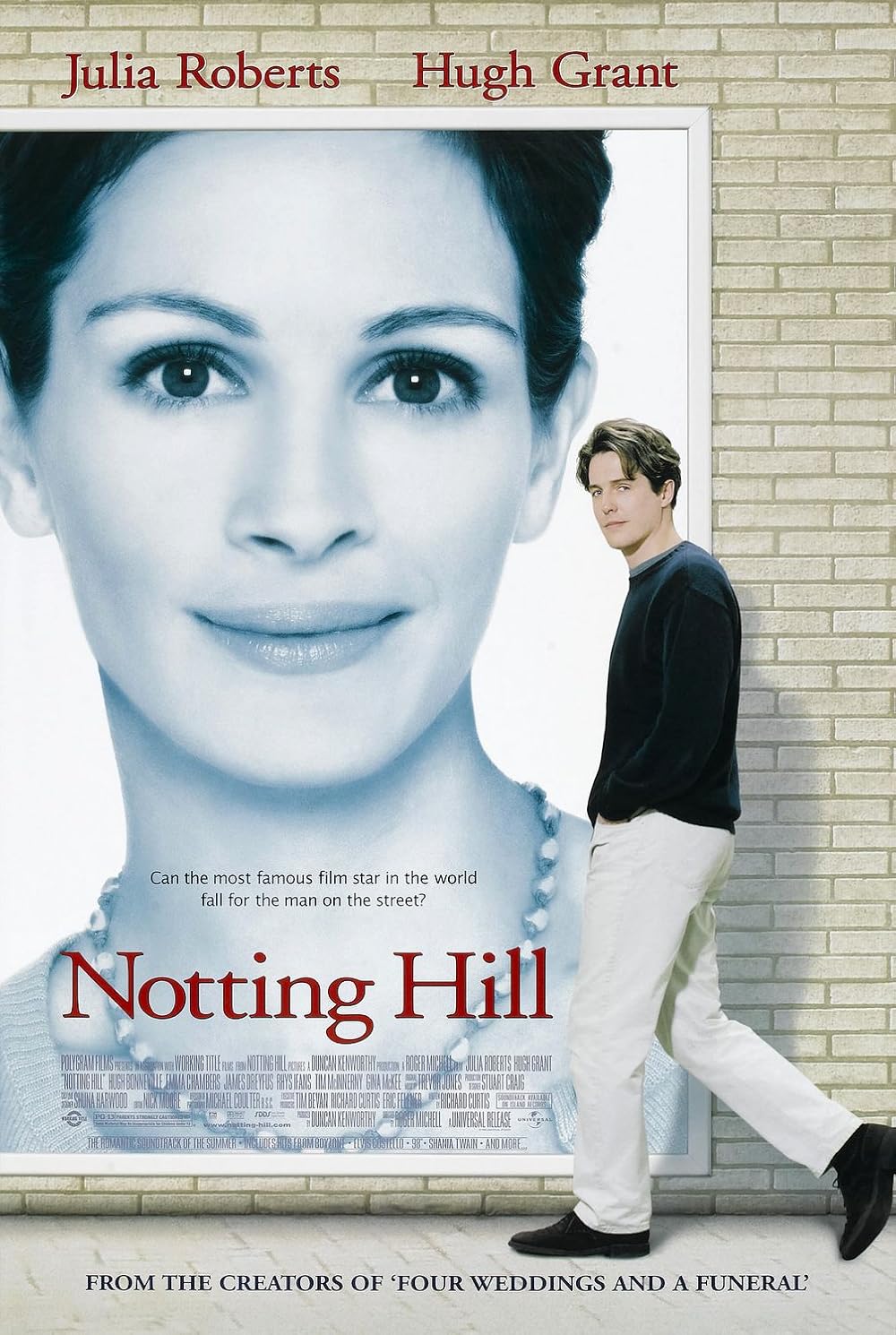
We know it is fiction, yet those warm, trivialised romantic comedies of the late 80's, 90's, and early 00's pull us back like a magnetic force; we have stopped pretending to resist. This is discernment, not delusion.
Women have always known what they wanted; the problem has never been the wanting, but the world's insistence that it was too needy, romantic, or naive for a woman of intelligence and self-possession to admit out loud.
The stereotype that 'women don't know what they want' stems from a cultural rulebook decreeing that a desire for emotional depth was weakness, that needing to be truly known was a character flaw, and that the only acceptable move was a slow emotional starvation, performing indifference so convincingly that you eventually end up believing it yourself.
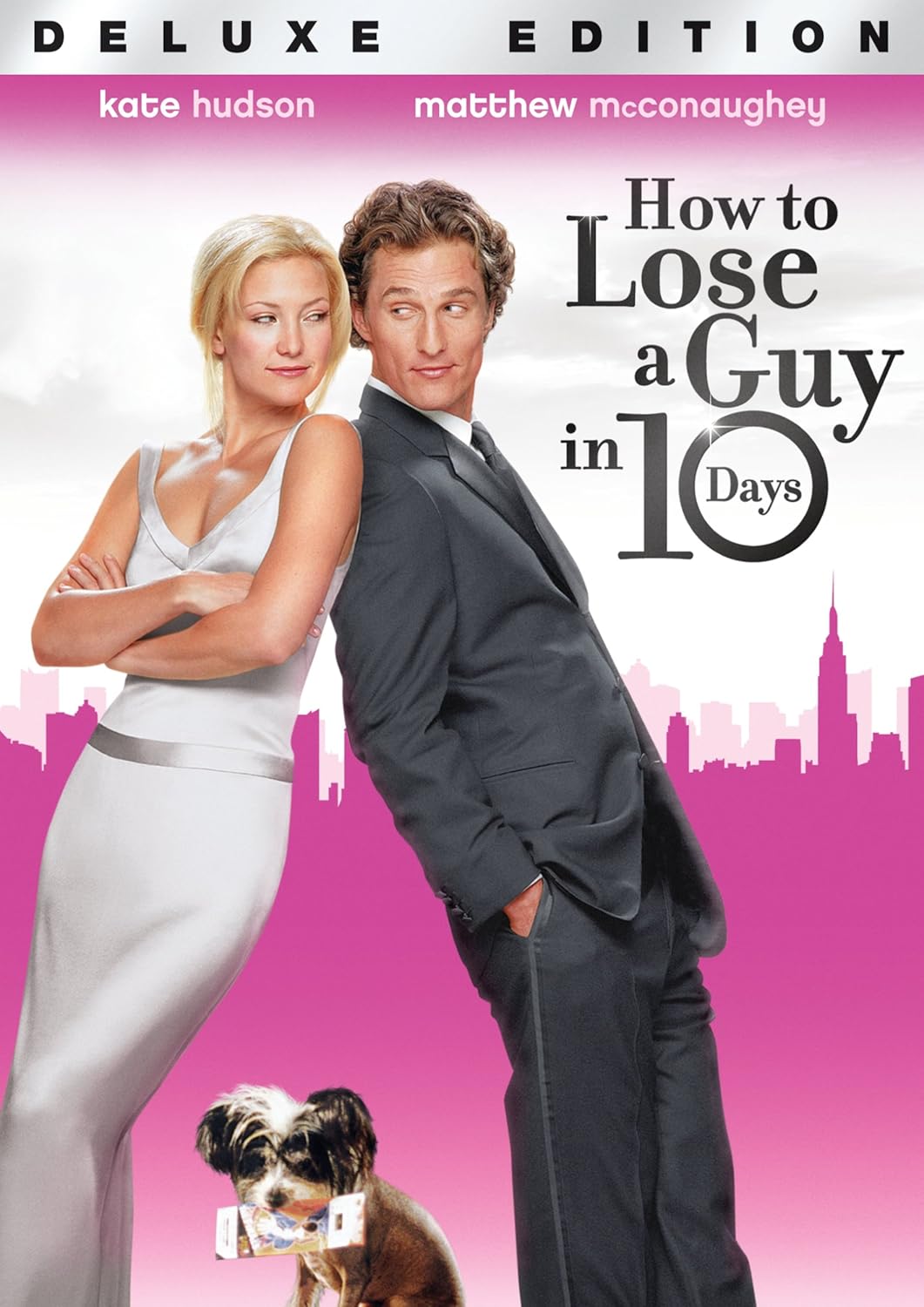
Then we put on Notting Hill, and William Thacker looked at Anna Scott like she was the most compelling person in the room, not because she was famous or beautiful, but because she was her and something in us refused to believe that was unreasonable to desire.
So here we are, unbothered, unapologetic, and extremely well-versed in Nora Ephron's filmography.
These romantic comedies were never just lighthearted entertainment; they constituted a muted counter-narrative, audaciously setting the stage for the idea that being gentle was not weakness, that showing up consistently was not tedious, and that emotional availability was not a consolation prize for women who couldn't attract volatile archetypes.
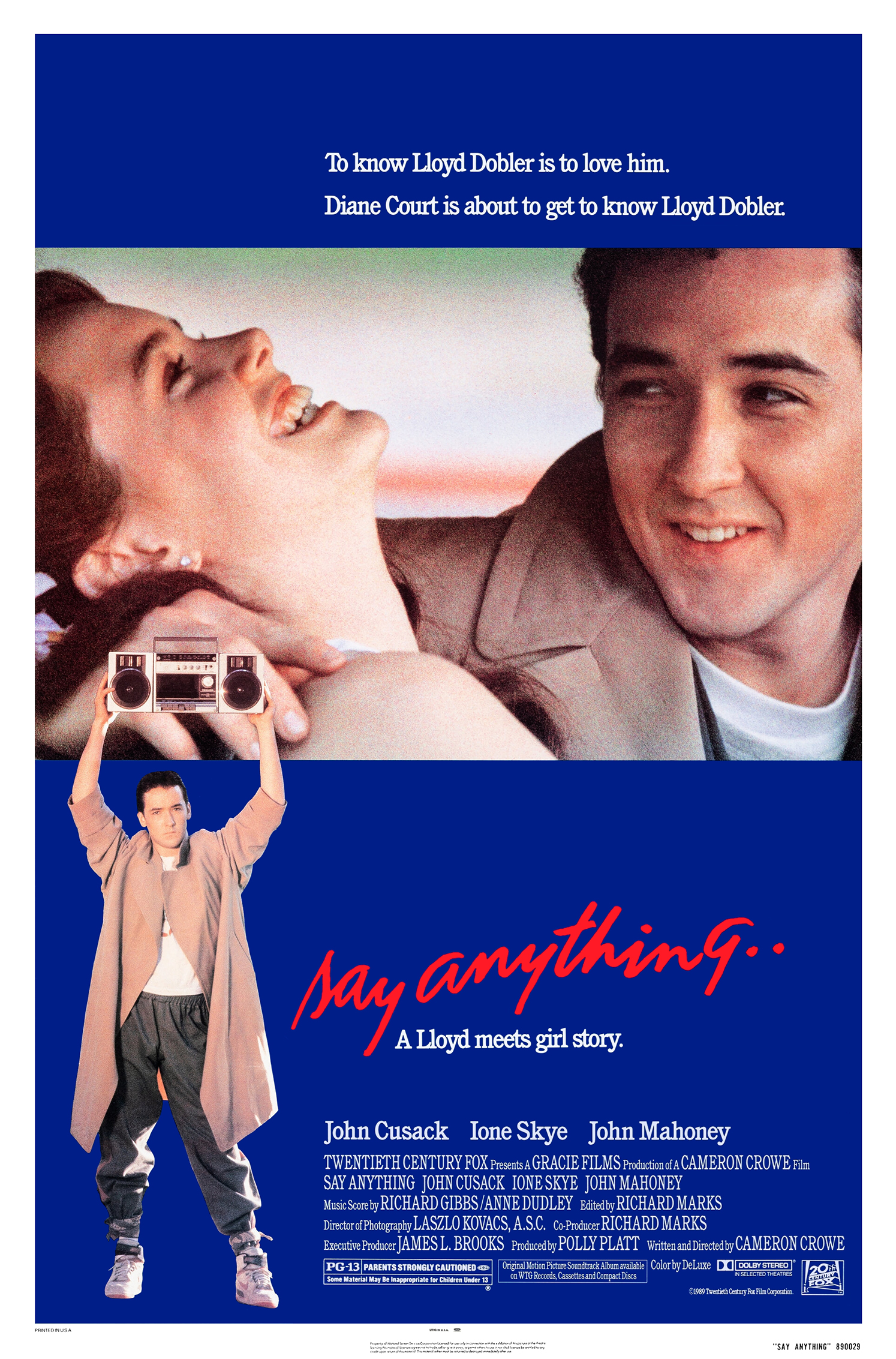
They celebrated men who listened, offered devotion without scorekeeping, and understood that love is not a power dynamic to be conquered but a discipline to be sustained.
They did it while making us smile, cry, and laugh, forcing us to pause the screen and ask our friends, "Do you see what he just did?"
Lloyd Dobler did what seems unthinkable now. He honoured small promises. He called when he said he would, showed up on time, and listened to his girl as if her thoughts were the day's headlines, because in his world, they were.
When she ended things under pressure from her father, he didn't retaliate with weaponised guilt trips, unconventional and rare in reality.
Similarly, Robbie Hart gets left at the altar and lets his heartbreak look ugly, collapsing completely without performative dignity. That total refusal to fake a quick recovery makes him worth watching.
The movie follows an ego-free man who continuously shows up for a woman.
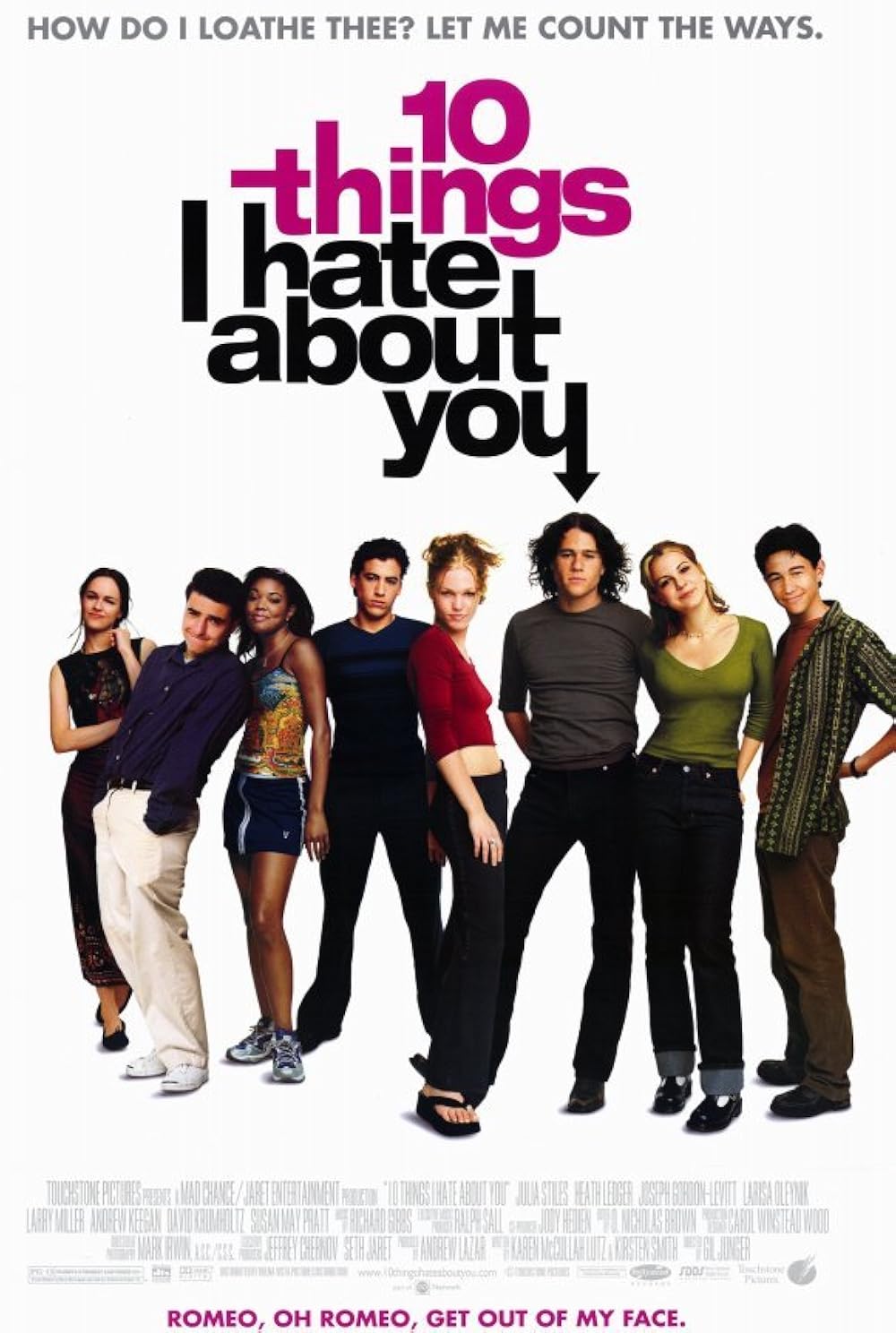
This exposes the fundamental myth of modern romance, what the culture continually misinterprets about female desire. It assumes women want to be swept off their feet by consuming, volatile antiheroes, selling the exhausting narrative that a man who forces you to audition for his attention is somehow more valuable than one who offers it. It has convinced a generation of men that being easy to love is synonymous with being easy to dismiss.
Women have long outgrown that script. What they actually want, what they have always sought, articulating silently long before the vocabulary existed, is 'safety.'
Not the boring kind, but the safety that permits you to put your unedited self on the table without bracing for it to be used against you and vice versa.
It releases you from the exhausting labour of performing, curating, or rationing how much you reveal, where a man looks directly at the bare, full, complex truth of who you are and does not flinch.
Matt Flamhaff has been quietly, unconditionally loving Jenna since they were children. He didn't wait for her to become glamorous; he loved the awkward, unvarnished little girl that nobody else paid attention to, safely storing up the small details of who she really was like treasures.
These are not perfect men, but men in motion who stumble, course-correct, and offer their raw presence rather than a curated performance.
Then something shifted in the early 2010s. The romcom disappeared, replaced by an emotional austerity built on withholding and push-and-pull, a dry decade populated by emotionally elusive antiheroes who treated simple feeling as a personal failure.
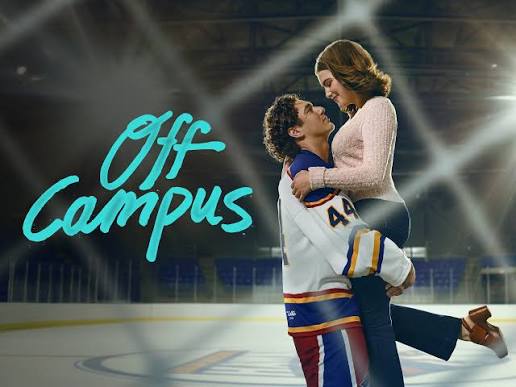
Then Elle Kennedy wrote the Off-Campus Series. This phenomenon was an act of recognition, a golden-haired hockey player carrying the heavy inheritance of a complicated father, yet possessing an open, reckless willingness to feel things.
Garrett Graham does not play games or manufacture distance to make attention feel like a high-interest loan. He carries his father's baggage without burdening her with his childhood trauma.
That thread running from Dobler's driveway straight down to Graham's hockey rink is seamless. Hollywood drew the original blueprint; when studios lost track, books kept the flame alive, and BookTok let it burn bright.
Women stubbornly refused to downsize their expectations, held the line against decades of cultural gaslighting, and maintained that standard through every cynical shift.
Women are not chasing a flawless, fairytale life or auditioning for men with zero wounds. What they want, a man who carries his damage without weaponising it. Who tries to show up and communicate with clarity, because they do. A man who looks at the complete, unedited truth of who we are and decides to step closer instead of running for the exit.
tajree.m.rahman@gmail.com