

Bengali plate across all seasons
Why the Bengali kitchen is actually the world’s most advanced seasonal calendar
Published :
Updated :
 For all latest news, follow The Financial Express Google News channel.
In Bangladesh, seasons arrive on the plate first, then in the sky. The Bengali plate begins to change long before the season does. The rice stays, the love for fish remains, but everything around it shifts with the blow of air. Summer asks for relief, monsoon demands comfort, winter invites nostalgia, and spring arrives with renewal.
Across generations, the Bengal delta's food culture has evolved both through recipes and the seasons themselves. Bangladesh's long history as a riverine, agrarian civilisation means our food has always listened to the land first.
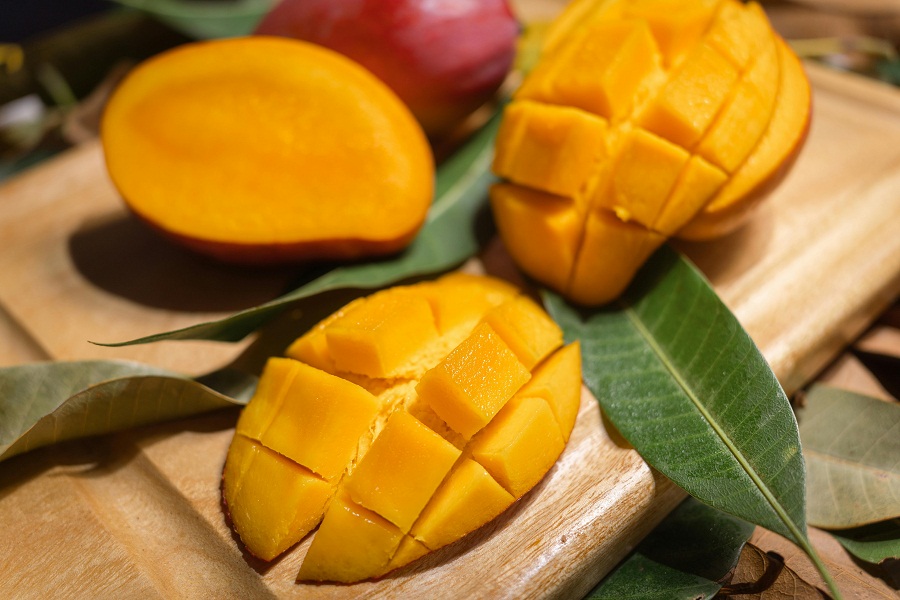
Food becomes lighter and cooler as the summer heat rises. This is the season of mangoes, jackfruits, jams, and watermelons, fruits that do more than delight; they help the body survive.
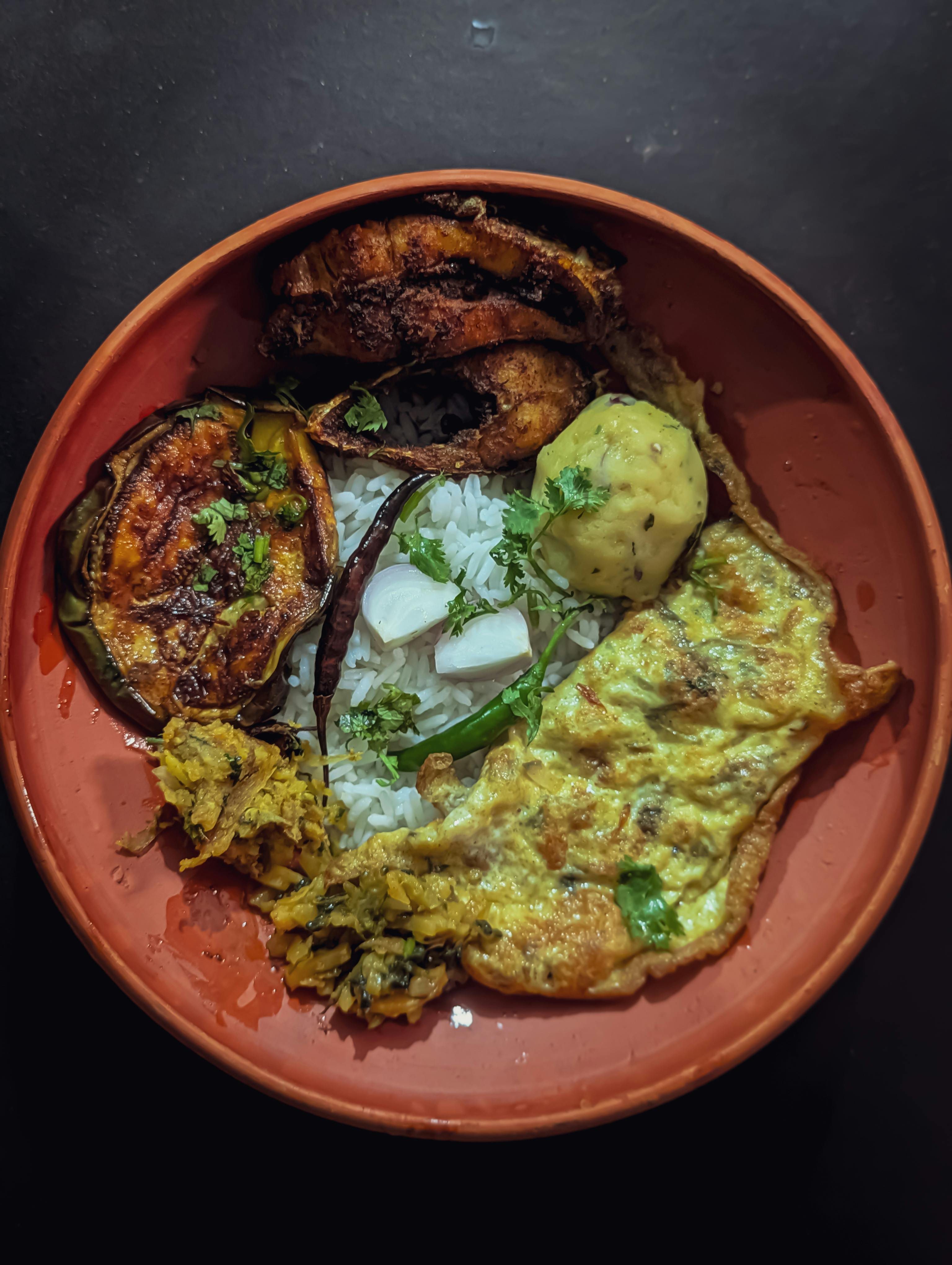
In villages and cities alike, glasses of bel shorbot, coconut water, and chilled tok doi appear as forms of relief. Lunches grow gentler with macher jhol, lau, potol, and dal on plates. The spices soften, the oil decreases, and the plate begins to mirror the need for hydration.
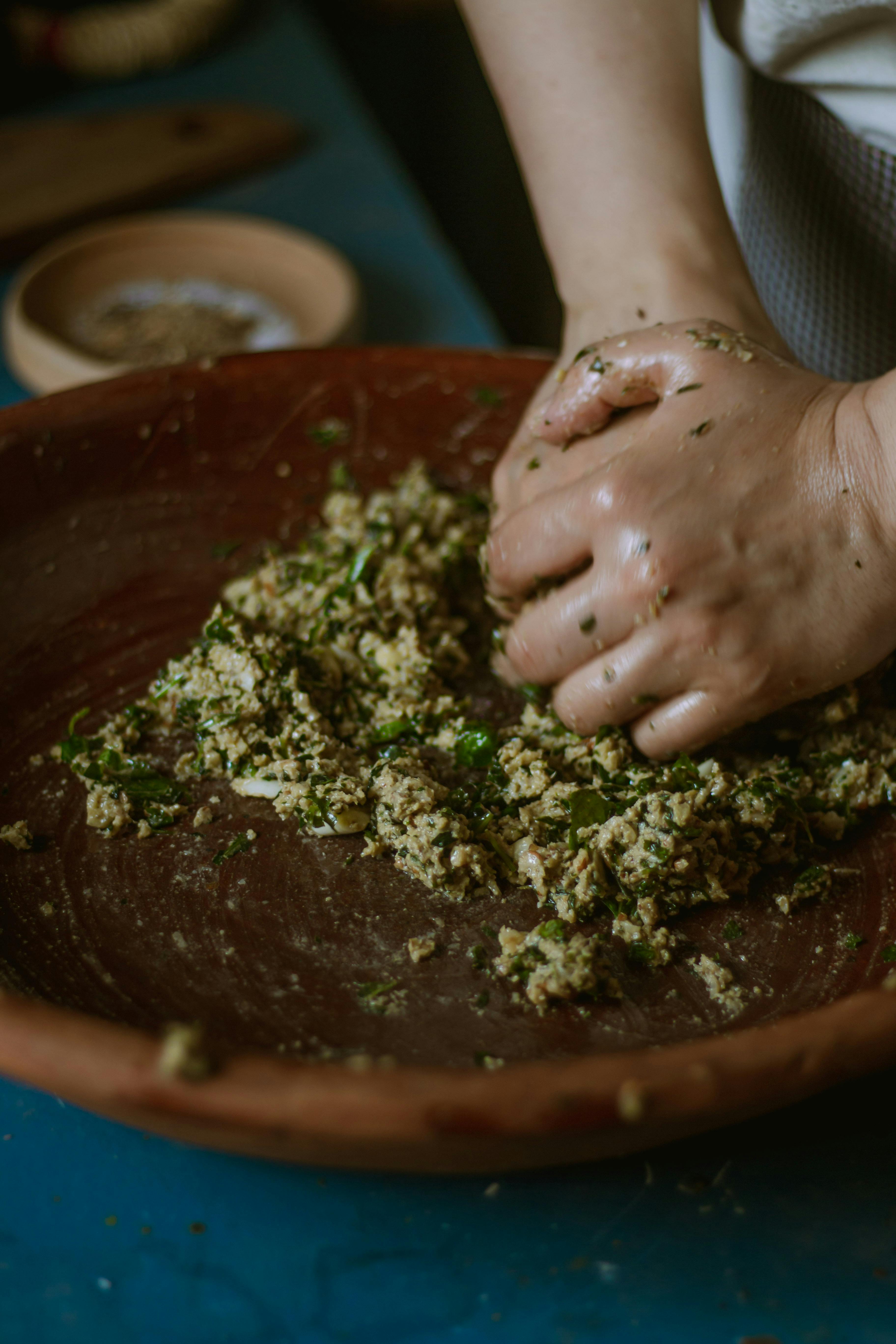
This seasonal instinct is rooted in older Bengali household wisdom. Before refrigeration or modern nutrition advice, people already understood that summer demanded watery vegetables, fermented rice, and cooling foods. Even Pohela Boishakh, which falls in this season, reflects that agricultural history. The Bengali New Year was historically tied to harvests and tax collection in Mughal Bengal, making food central to renewal. Today, whether one chooses panta, bhorta, or festive hilsha, the meal still carries the rural memory and the soil it came from.
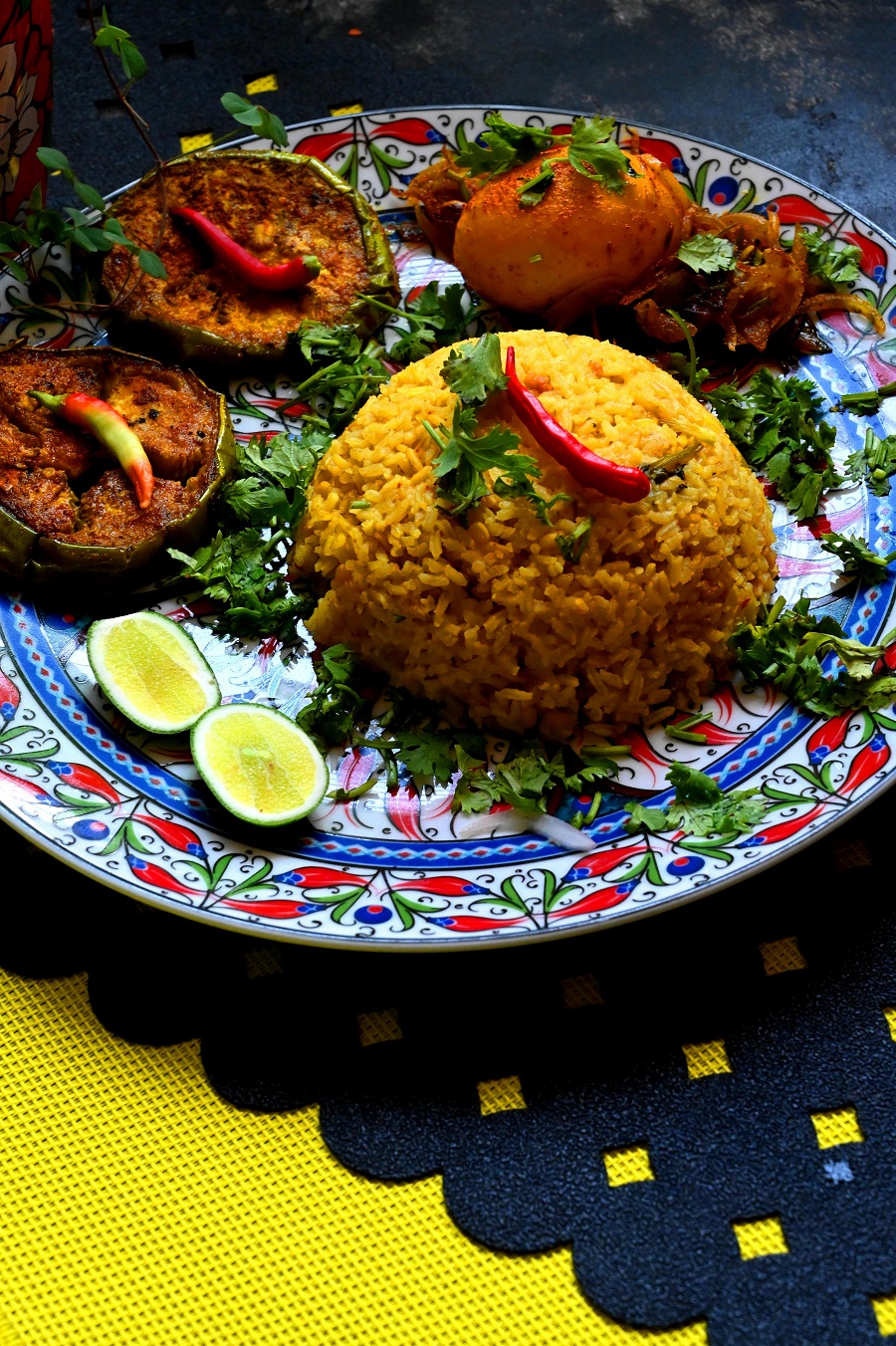
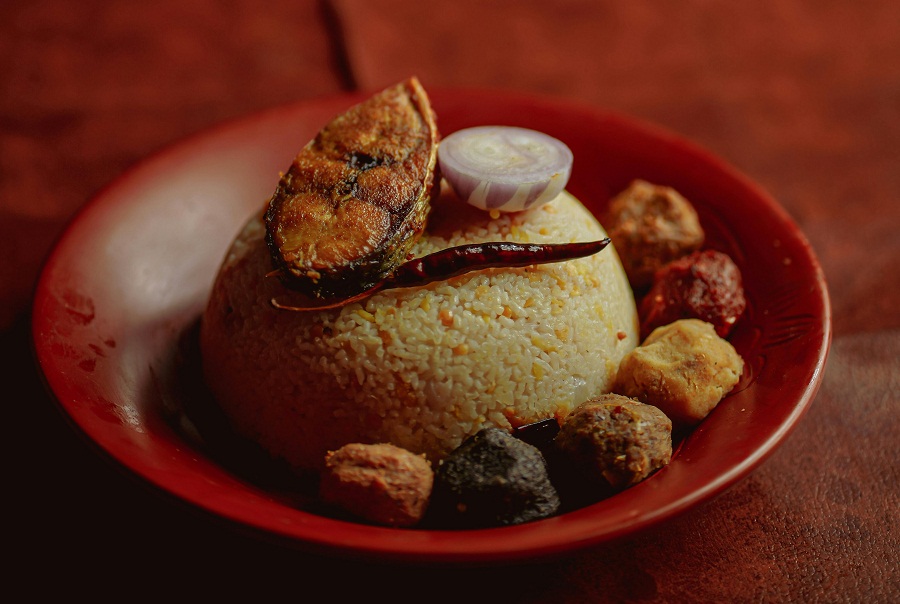
Monsoon in Bangladesh has always been emotional. Rain slows roads, strengthens the smell of earth, and turns the home into the centre of life. Naturally, the food follows. Khichuri becomes the defining dish of the monsoon. It is warm, fragrant, and deeply comforting. It is less a recipe and more a seasonal reflex. Served with begun bhaji, dim, achar, or crispy shutki bhorta, it transforms a stormy afternoon into a ritual. And then there is ilish, the national fish.
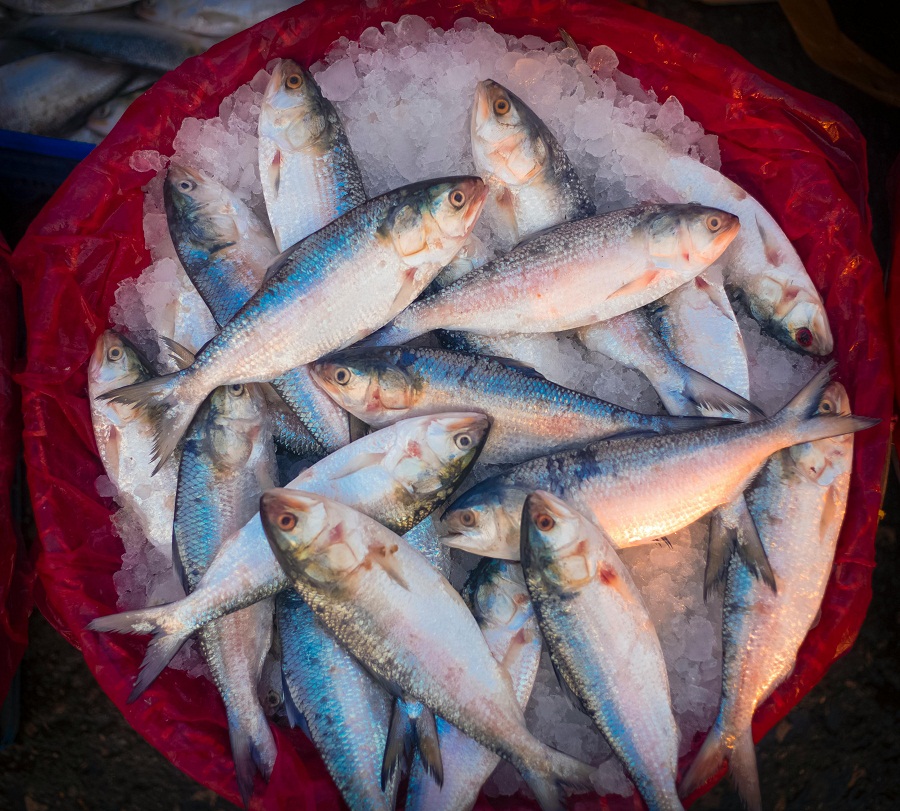
No fish is more tied to Bangladeshi identity than hilsa. It is the symbol of our national pride. During the monsoon, when the Padma and Meghna are full, hilsha reaches its richest form. Shorshe ilish, bhapa ilish, ilish bhaji, bhuna ilish; these dishes are not just meals, but history on a plate.
For centuries, rivers have dictated Bengali life, trade, poetry, and appetite. Monsoon food, therefore, is not simply comfort; it is geography made edible.
The arrival of winter transforms Bangladesh's kitchens into spaces of abundance. Fresh cauliflower, cabbage, carrots, beans, peas, and leafy greens fill the markets, giving meals a richness and colour absent in hotter months.
Bhuna khichuri mixed with these new veggies, slow-cooked beef, roasted vegetables, and thicker daals, begins to replace the lighter foods of summer. But the true soul of winter lies in the wide varieties of pithas.
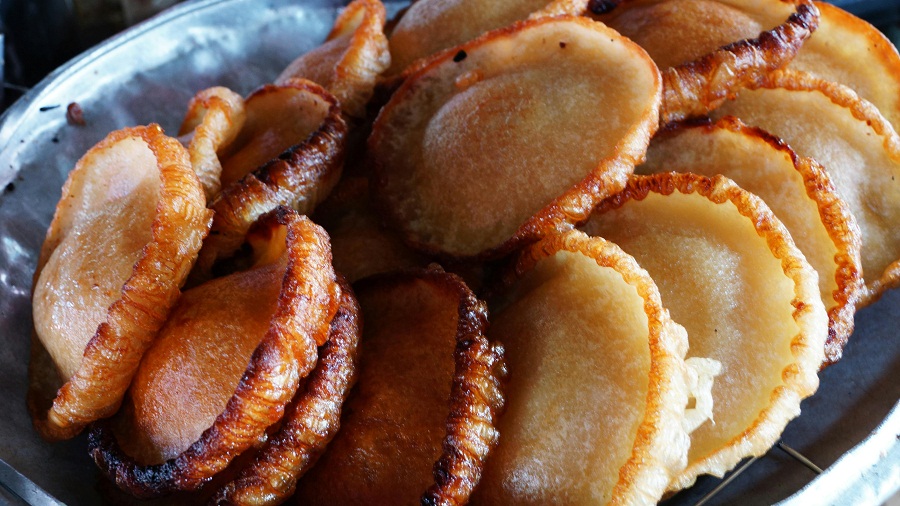
Bhapa pitha steaming by roadside stalls, patishapta folded carefully in family kitchens, chitoi served with khejur gur, these are more than seasonal foods.
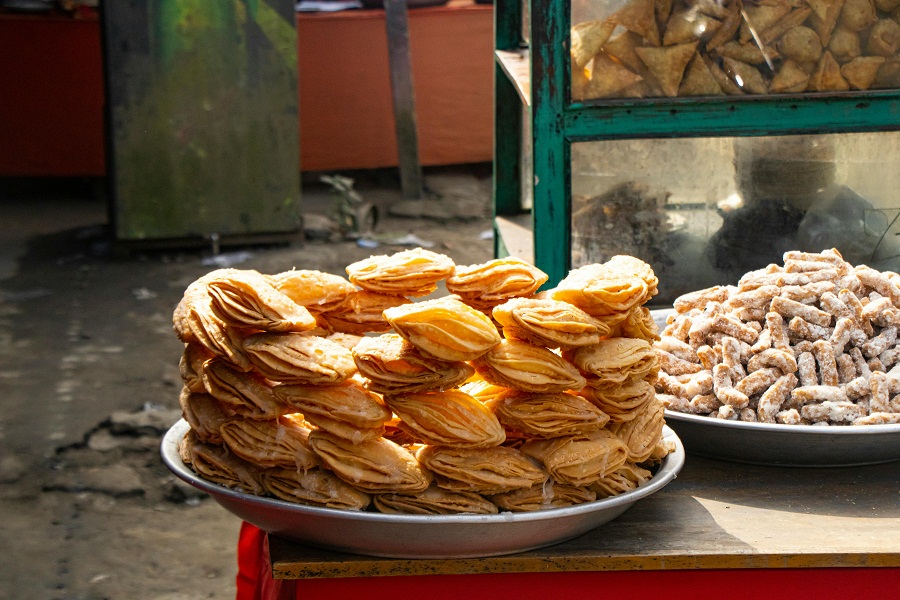
Pitha is tied to Nabanna, the harvest festival that celebrates new rice, one of the oldest agricultural traditions in Bengal. In many ways, winter food is where Bangladeshi history tastes the sweetest: rice flour, date molasses, coconut, and firewood carry centuries of village life into the present. Even in Dhaka, pitha festivals continue to preserve this rural intimacy.
After winter, boshonto brings simplicity back to the plate. Tender greens, herbs, lighter bhortas, and simpler fish dishes begin to return.
The meals feel brighter, sharper, and less burdened. Spring food in Bangladesh has always been tied to newness, not the harvest-heavy celebration of winter, but a rather quieter sense of reset.
This is also the season of colour and culture. As Basanta Utsab fills university campuses and streets with yellow saris and marigolds, the food reflects that same liveliness.
The Bengali plate is remarkable because it not only changes with ingredients but also with history, emotion, seasons, and the memory of the land. Here, seasons do not just pass; they arrive on our plates first.
iamsami0700@gmail.com