

Published :
Updated :
 For all latest news, follow The Financial Express Google News channel.
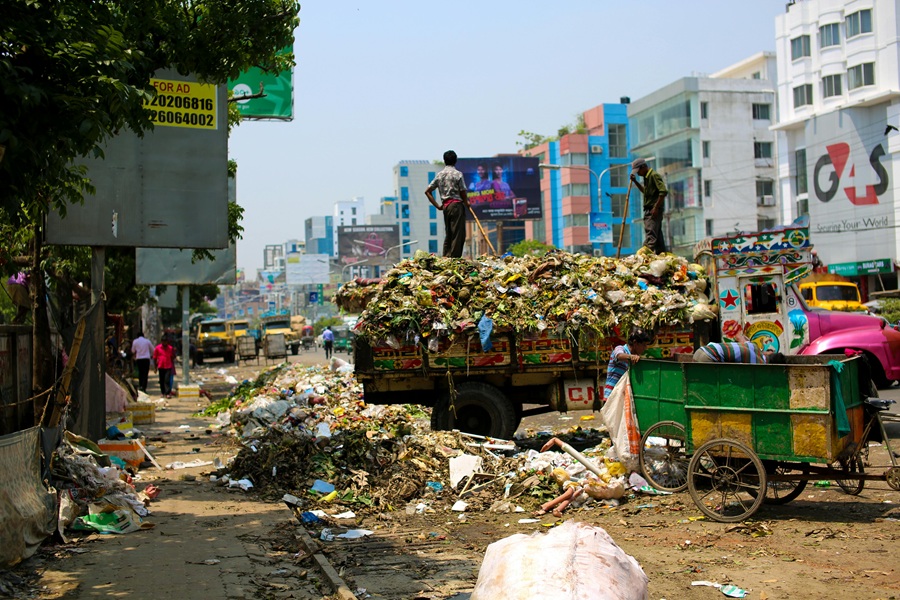
Eid al-Azha offers an opportunity to demonstrate the ability to sacrifice the dearest pleasures for the sake of Allah, symbolically through domestic animals. While Qurbani is a significant part of our culture, proper waste management during the festival should be ensured to prevent odour and other waste from animal flesh, skin, and other parts. Here's a brief guide to how it can be done easily.
If you are not using a slaughterhouse, choose a designated area for the ritual. The garage of an apartment or the backyard of a house can be a great option, provided it is well-ventilated.
Never choose an open space, as this makes cleaning much harder. After that, prepare a small pit or drain connected to a septic system to channel the blow flow. Do not let the blood drain into open ditches, canals or streets.
Right after the sacrifice, separate the edible meat from the organic waste (bones, internal organs, blood). Use designated bins for organic and inorganic waste, and ensure they are properly covered.
Secure organic waste in double packaging or biodegradable bags to prevent flies and rodents, as well as leakage of blood and other particles.
As soon as the sacrifice is completed and the animal is moved, disinfect the entire area with water and bleach, then perform intensive cleaning. After that, sanitise the tools used during the process, such as knives, containers, and cutting boards.
You can use some methods to control the odour. Washing with water and bleach removes bacteria, but the area often remains damp, allowing the foul odour to persist.
Spread a generous layer of powdered slaked lime over the washed areas. This will instantly dry up the residual moisture. As a powerful fly deterrent, this solution will neutralise the acidic smell of animal waste.
Often, the blood cannot be cleaned up easily. Sand can be a great alternative to traditional cleaning methods. Cover the slaughter spot with sawdust or sand before the sacrifice. It will absorb the blood like a sponge, making it easy to scrape up and dispose of cleanly without letting it seep into the ground.
One of the biggest causes of urban logging and clogged sewers after Eid is animal hair, fat, and bone fragments washing into drains.
As a solution, place a temporary fine-wire mesh net over the mouths of nearby storm drains before you begin washing the street. This catches all solid debris, which can be scooped up into a bag. The system prevents underground pipe blockages.
Animal skins are valuable products and are not considered waste—used to make various leather products, such as bags, money bags, and shoes.
If animal skin is left out in the heat for 4 hours, it becomes unusable due to the stench. Ultimately, it becomes useless. To avoid this economic loss, apply 7 to 8 kg of coarse salt uniformly to the flesh side of a cowhide immediately after skinning. Roll it up and store it in a cool, tilted place so excess fluids can drain away. This preserves the hide for up to 15 days. Thus, it prevents the skin from turning into a massive environmental hazard.
The semis digest grass (rumen) inside the animal's stomach, which contains a high volume of water and highly active bacteria. If mixed with blood and water, it ferments rapidly and smells terrible. To avoid this instant odour, do not puncture the stomach near the washing area. Instead, move it to a dry corner, slice it open carefully, and scoop out the solid green waste directly into a heavy-duty sack without adding water. This dry organic matter can be directly transported to local nurseries or agricultural farms as excellent fertiliser.
For personal hygiene, use masks, gloves, and other tools during the ritual to prevent blood and organic waste from entering your body. Last but not least, participate in and support your municipality's collective waste management programs, and maintain the hygiene of your area.