

Published :
Updated :
 For all latest news, follow The Financial Express Google News channel.
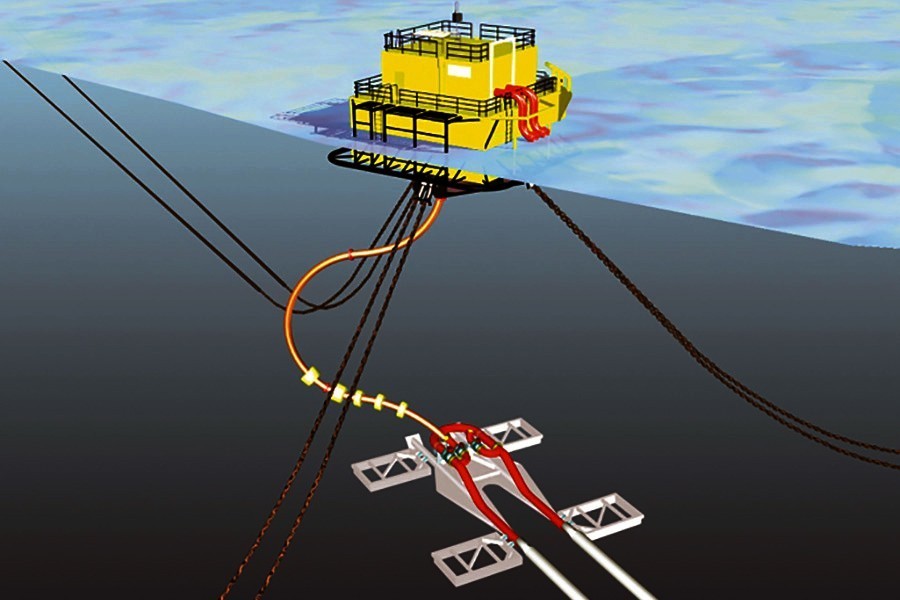
Oil unloading through Single-Point Mooring (SPM) system had a botched debut as the undersea pipeline ‘ruptured’ during maiden pumping of the imported fuel from mother tanker in the Bay, said sources.
State-run Bangladesh Petroleum Corporation (BPC) subsequently abandoned the unloading of crude oil through the SPM last week, they said, in what appears as opening setback.
The BPC later urged state-run Bangladesh Shipping Corporation (BSC) to carry the crude through feeder vessels from mother vessel on high seas to onshore fuel-storage tanks.
Despite repeated attempts, the chairman of the BPC or the project director of the SPM project could not be reached for comments.
Sources, however, have said the rupture in the SPM can be mended within next couple of weeks.
The BPC last Monday initiated the unloading of around 82,000 tonnes of crude oil from the offshore mother vessel, anchored in the Bay of Bengal, to onshore storage facilities using the SPM system, SMP Project Director Sharif Hasnat had told the FE on that day.
He had said the entire volume of crude oil was expected to be unloaded by Wednesday. But the breach in the undersea pipeline forced ceasing the unloading of the high-demand fuel through the SPM, said sources.
The BPC is implementing the key project with the assistance of China at an approximate cost of Tk 65.68 billion. Of the total project cost, the government contributed around Tk 12.19 billion, BPC Tk 6.85 billion and the remaining Tk 46.63 billion came as project aid.
Under the project, a 220-kilometre pipeline has been installed, most of it set up in the waters of the Bay of Bengal. Construction works for the fuel-pumping stations and six fuel-storage tanks have also been completed.
The storage tanks have a combined capacity of around 240,000 tonnes for petroleum products. Of them, 150,000 tonnes are designated for crude oil and 90,000 tonnes are allocated for gasoil.
Last week’s unloading of crude oil was a trial run of Bangladesh’s maiden SPM system, meant for slashing both time and cost of transportation in oil import, said the project director.
“After the trial, the BPC will proceed with the first filling of diesel into the SPM,” Mr Hasnat said.
Officials say once the SPM is in full-fledged operation, it will take three days to unload the crude oil through the SPM system instead of usual 11 to 13 days to unload the same volume of crude during the pre-SPM era.
In addition to its regular crude-oil imports, the BPC imported around 82,000 tonnes of Arabian Light Crude oil in June to facilitate the piloting before the formal commissioning of the SMP, BPC Director for Operations and Planning Khalid Ahmed told the FE.
The SPM system serves the purpose of transporting petroleum products from offshore vessels to onshore storage facilities. Following a successful trial, it will transition into commercial operations.
Eastern Refinery Ltd (ERL), Bangladesh’s lone refinery and a wholly-owned subsidiary of BPC, usually imports around 1.50 million tonnes of crude oil annually for domestic refining purposes.
According to BPC Director Khalid Ahmed, once the SPM system becomes fully operational, Bangladesh is expected to annually save around Tk 8.0 billion (US$75.50 million) solely by reducing transportation costs of petroleum from outer anchorage to onshore fuel tankers.
Azizjst@yahoo.com