

Published :
Updated :
 For all latest news, follow The Financial Express Google News channel.
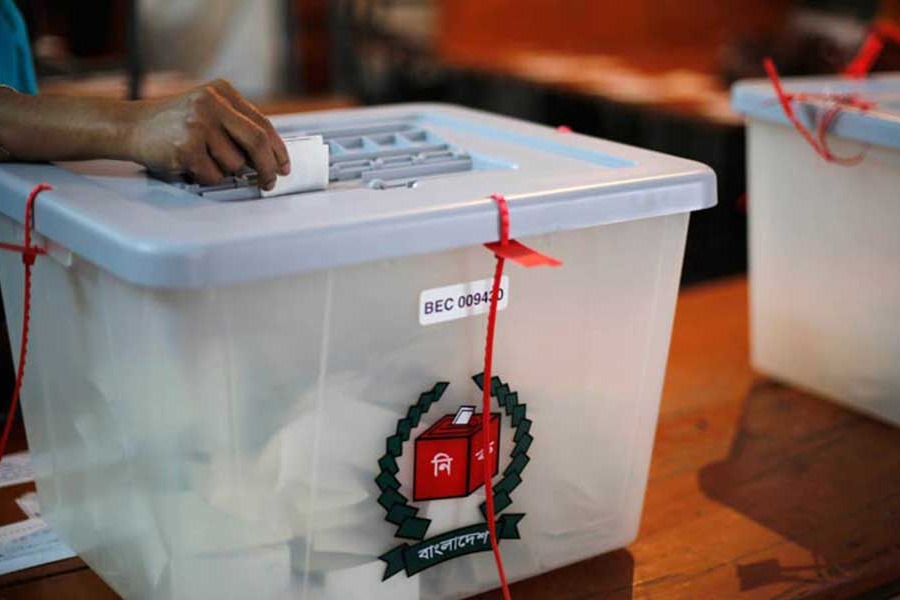
As the country goes to the world's first Generation Z or Gen Z-influenced polls today, the people are both hopeful and apprehensive of the tidings of the day. The nation is not at peace with itself and the interim government has not particularly helped the cause. There have been a number of political killings across the country after the announcement of the polls schedule, raising concerns about the law and order situation on election and post election days. Now that the law enforcement agencies including the army have been deployed, hopefully today's voting ambience will be free from such political violence. Worries notwithstanding, the very fact that today's elections are being held after more than one and a half decades long autocratic rule of Sheikh Hasina has generated unprecedented enthusiasm among the voters, particularly among those going to the polling booths for the first time.
Any national election is a watershed moment for the people but when it seeks to change the system of governance for the better, the objective surpasses the boundary of traditional confines. Popular votes for or against the reforms suggested by different commissions is one thing and electing members of parliament is quite another. To the majority of voters, the referendum is unclear to say the least. The referendum of 'yes' or 'no' on a package of 48 constitutional amendments grouped under four broad heads is logically flawed. There is no provision of disputing or endorsing one or the other amendment. Even educated people, let alone the ordinary voters, are unlikely to know what they have been asked to endorse or reject. But the nation's fate depends on the political reforms to governance. In this case, voters deserved better and clear understanding of the issues included in the referendum.
Manifestoes of political parties vying for formation of government often sound rhetorical when they promise the sky for the nation only to forget when it comes to deliverance. But the consensus they reached on the 84 recommendations made by the reform commission is likely to prove highly useful if they implement those during the next elected government's tenure. On assumption of power, if a single political party or the alliance of parties dilly-dallies over implementation of the reform agendas, there is a need for a strong opposition to keep the ruling party on track.
Even if the parliamentary procedures fail to bring about the legislative reforms, the Gen Z will be ready to point out the broken promises. The ruling party will not be able to enjoy a field day any more. If parliament finds enough reason for effecting reforms, the following socio-economic dynamism will act as the driver of progress. The stake is higher than any time before because of the outcome of today's referendum and the win for any political party/parties can change the course of the nation's history. On the positive side, the nation will gain some ground to advance further in eliminating socio-economic disparities and ethno-racial discriminations. If the process is maintained, further pro-people reform agendas will clamour for endorsement through parliamentary debates. The choice is clear: either embrace the change or get lost.