

Published :
Updated :
 For all latest news, follow The Financial Express Google News channel.
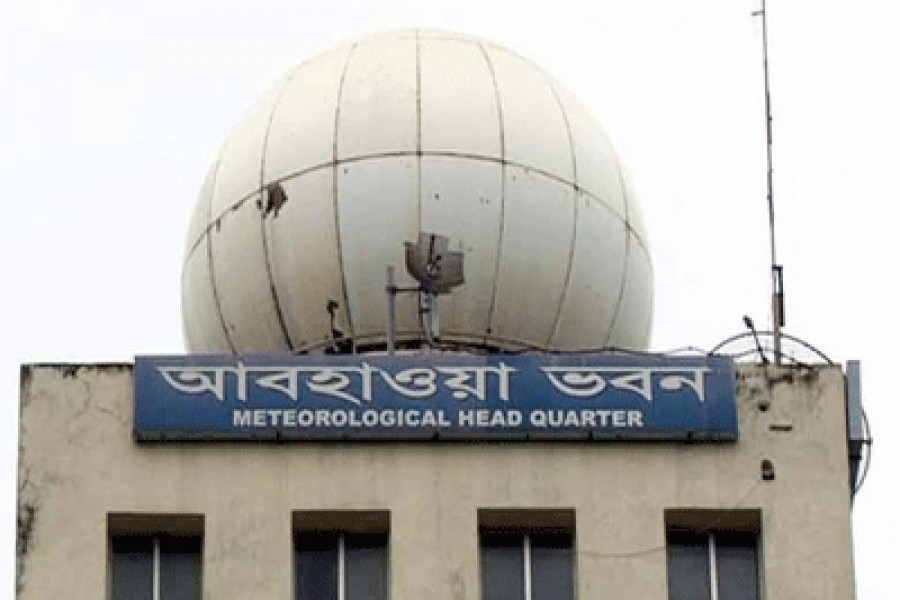
From now on, Bangladesh's weather forecast goes a paradigm shift from its traditional system to a highly advanced and accurate one. What in meteorological parlance is called sub-seasonal weather forecasting system now changes into a seasonal forecast. Jointly launched by the Department of Agriculture Extension (DAE) and the Bangladesh Meteorological Department (BMD) and named "Sub-seasonal to Seasonal Weather Forecasting System for Agriculture in Bangladesh", this system can forecast weather from four weeks to three months in advance. If the DAE and farmers know about the weather three months in advance, they can plan the cultivation of Boro or high-yielding varieties of paddy without the risk of no crop loss due to hostile weather at the time of harvesting. Even if there is foreknowledge of foul or nice weather before a month, it makes a lot of difference in planning for the cropping pattern. For a natural calamity-prone country like Bangladesh, its benefits can be limitless.
Evidently, the system has been introduced with an eye to the country's agriculture but it will be of help to a whole range of human activities from construction of houses or other infrastructure to vacationing. So long farmers have depended on almanac (panjika) and Khanarbachan (sayings of an ancient soothsayer named Khana) for most of their day-to-day works and ritualistic inaugurations such as foundation laying of houses, digging of ponds, plantation of trees and many such yearly programmes. In the context of climate change and shift in cropping patterns, the wisdom of Khana has proved rather incompatible. In the new millennia, farmers have to have advance knowledge of the weather in order to avert losses of the investment, input and produce. This system developed by the 'Weather Impact' and the Wageningen University of the Netherlands in partnership with Digital Innovation for Impact (Dii) and support from the Royal Netherlands Meteorological Institute (KNMI) is expected to provide the seasonal forecast unfailingly so much so that agricultural practices will undergo the exact transformation they require.
Bangladesh has to its credit a green revolution without such an advanced and accurate weather forecast system. Now that farmers are more interested in crop diversification, they will have their options clear about what crop will be suitable if there is a forecast of bad weather or storms or cyclones in the next three months. In case of fishermen, owners of shrimp enclosures and others engaged in different occupations, such forecasts can give them enough time to save their lives and livelihoods. Sure enough, lives and livelihoods of the majority of people will be better protected courtesy of the new forecast system.
When the system promises so much prospect, it has to be exploited judiciously. Whether the system will be hundred per cent failsafe or not is yet to be known but even if it is near perfection, its contribution will take Bangladesh to an era where its food safety can be ensured and losses of crops and lives averted to a large extent. This will, however, call for maximum coordination between and among the service providers and stakeholders at different stages in order to reap the desired benefits.