


For a developing country like Bangladesh, the importance of pursuing an import substitution strategy cannot be overstated. Import substitution is not merely about reducing dependence on foreign goods; it is a strategic pathway to building a robust industrial base, generating employment, saving foreign reserve and deepening backward linkages that support the export sector. Ironically, however, many of the country's local industries producing goods such as sugar, jute, yarn, handloom products and other items have already shut down or are on the verge of closure largely because imported goods are cheaper than their domestically produced counterparts. This exposes a stark reality of Bangladesh economy that when imported goods flood the market, locally made products remains unsold, triggering factory closures and large-scale layoffs.


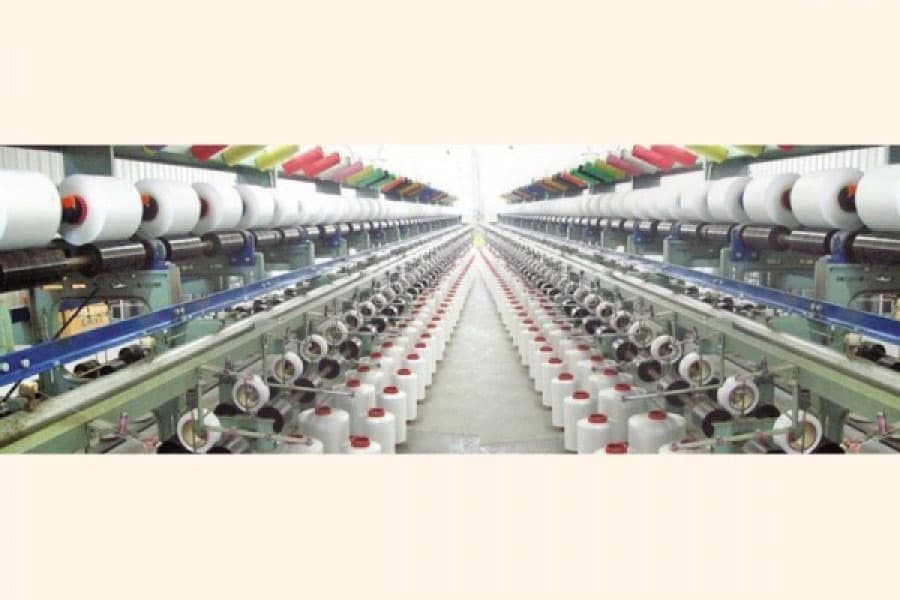
The plight of local spinning mills vividly illustrates this problem. Over the years, nearly 500 spinning mills have been established to cater to the need for yarn in the country's thriving ready-made garment (RMG) industry. Yet, as Indian yarn is cheaper, the RMG sector has grown heavily dependent on imports for this critical raw material. While Bangladeshi mills sell 30-count yarn at around US$ 3.0 per kilogram, Indian producers sell the same yarn at US$ 2.60. Consequently, despite the government's ban on yarn imports through land ports, imports of Indian yarn surged by 137 per cent in the last fiscal year through sea ports. Estimates suggest that more than 80 per cent of the yarn used in the garment industry now comes from India. Meanwhile, leaders of the Bangladesh Textile Mills Association (BTMA) lament that unsold yarn worth around Tk 120 billion is currently lying idle in local mills. As a result, some 50 spinning mills have been forced to shut down operations in the past one year, leaving around 0.2 million workers unemployed.
The BTMA has called for the imposition of a safeguard duty on import, a 10 per cent cash incentive and other supportive measures to ensure the survival of the local spinning industry. In response, the government is reportedly considering a 20 per cent safeguard duty on imports of certain types of yarn. However, the move has run into a hitch as garment manufacturers have opposed it. Garment exporters say that they are also in favour of protecting the domestic spinning industry, but any move to raise import cost, ostensibly to compel them to buy local yarn at higher costs, would ultimately undermine their export competitiveness. This concern cannot be dismissed. The solution to the plight of local spinning mills does not lie in simply forcing garment manufacturers to buy costlier local yarn. Rather, the focus must be on enabling domestic spinners to become more competitive through modernisation, access to affordable fund and predictable, long-term policy support.
Other countries offer instructive examples in this regard. India, for instance, provides cash incentives of up to 15 per cent alongside dedicated funds for technological upgrades in the textile sector. Historically, most successful industrial economies nurtured their domestic industries through a mix of incentives, infrastructure investment and strategic protection. By contrast, Bangladesh reduced its cash incentive for domestic yarn production from 5.0 per cent to 1.5 per cent, at a time when producers were already struggling with rising costs. Policy inconsistency and weak institutional support have only compounded the problem. So, if protection of local industries is to move beyond rhetoric, Bangladesh must commit to a coherent industrial policy that prioritises competitiveness, technological upgrading and stability. Without such a framework, local industries will continue to wither under the pressure of cheaper imports. Without strong local industries, the promise of a self-reliant and resilient economy will remain out of reach.