

Published :
Updated :
 For all latest news, follow The Financial Express Google News channel.
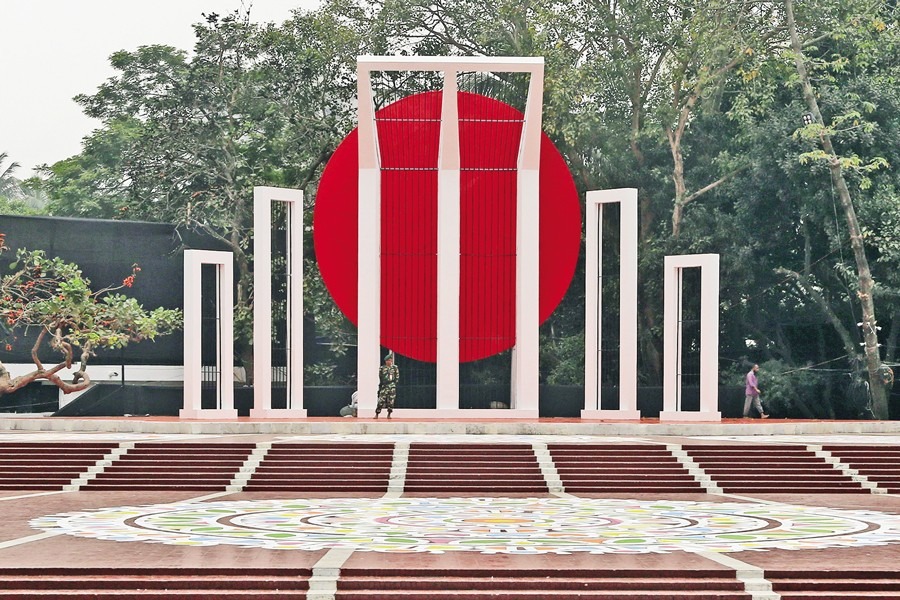
The 21st of February is a powerful reminder of the unyielding will of the Bengali people who refused to let their identity be destroyed by the repressive machinery of the state. On this day in 1952, students and ordinary people stepped forward to demand recognition of Bangla as a state language, and in doing so, they transformed a linguistic demand into a struggle for dignity, equality and democratic rights. The sacrifice of those who laid down their lives to defend their right to speak Bangla set a lasting precedent, showing that language is not merely a means of communication but also a vital part of cultural identity and political agency. From the events of that day flows the timeless truth that the denial of language is a denial of identity, and the resistance to such denial becomes a moral obligation for any people seeking self-respect and recognition.
What began as a movement for language soon grew into something much larger. Over time, the demand for recognition of Bangla evolved into demands for economic fairness, political representation and autonomy, eventually leading to the birth of an independent nation in 1971.This shows how cultural issues can often become the starting point for an epical political change, as they unite people around shared values and collective aspirations. The language movement instilled a sense of courage and resistance that found expression in subsequent mass movements, thereby embedding within the national consciousness a readiness to challenge injustice in all its forms. In this sense, 21st February is not only about language, it is also about the continuing pursuit of freedom, fairness and dignity.
Even so, the real question today is how far the ideals of that movement have been carried forward. Despite the central role of Bangla in the formation of the national identity, its application in administration, education and the legal system remains inconsistent, often overshadowed by the continued dominance of foreign languages in key domains. There often seems to be a gap between the respect shown for the language in public ceremonies and its actual use in everyday institutional practice. At the same time, the fast-changing world of technology and global communication is creating new challenges for the development of Bangla, as the language must adapt to new fields of knowledge in order to remain relevant and dynamic. This means that preserving linguistic heritage of Bangla requires practical steps, thoughtful policies and continuous effort that allow the language to thrive in today's society.
The global recognition of 21st February as the International Mother Language Day adds another layer of significance to the day, reminding people everywhere of the importance of protecting their own languages. Countless languages across the globe face the risk of extinction, often due to neglect, marginalisation or the pressures of globalisation. The lesson of this day is that languages survive only when people actively care for them and use them with pride. Observing the day should therefore be more than a routine of offering flowers or holding programmes, it should be a moment to reflect on whether the values behind the sacrifice are being upheld. The spirit of 21st February calls for a society that not only remembers its past sacrifices but also actively works to preserve its cultural roots for which those sacrifices were made. Thus the language that helped shape a nation continues to serve as a source of unity, empowerment and progress for generations to come.