

Fasting during pregnancy: What expectant mothers should know
Published :
Updated :
 For all latest news, follow The Financial Express Google News channel.
The holy month of Ramadan is deeply significant for every Muslim man and woman. Observing the fast carries a strong emotional and spiritual value for many people. This feeling is also shared by pregnant and lactating mothers, many of whom wish to observe the fast during Ramadan.
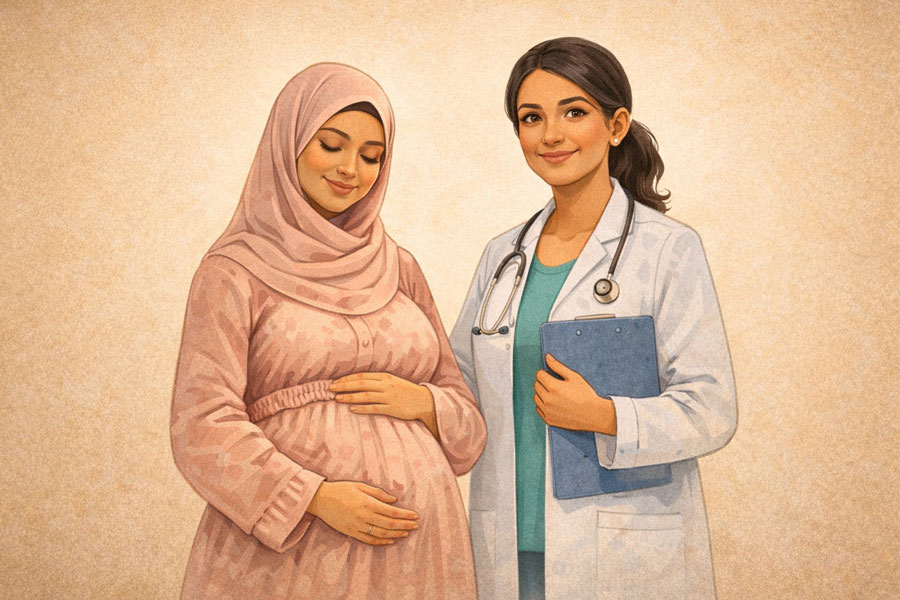
With proper nutritional guidance and precautions, pregnant women can fast in a healthy and safe manner. However, it is essential that they consult their physicians before deciding to fast.
During the first three months of pregnancy — known as the first trimester — a mother generally does not require significant additional nutrition. In many cases, by consuming adequate food and fluids between iftar (the meal to break the fast) and sehri (the pre-dawn meal), a pregnant woman may be able to fast comfortably. Nonetheless, medical advice remains important before making this decision.
In the second and third trimesters, the baby undergoes rapid growth and development. As a result, the mother’s nutritional requirements increase, particularly for protein, vitamins, and minerals. If these nutritional needs can be properly met between iftar and sehri and there are no medical restrictions, many mothers may continue fasting safely during this period.
Expectant mothers should significantly increase their intake of high-quality proteins in their diet. Foods such as fish, meat, eggs, milk, and mixed lentils — which combine several varieties of pulses — are excellent sources of protein and should be included regularly.
A balanced diet should also include a variety of nuts and at least two to three servings of milk or dairy products each day. As the baby grows, mothers are advised to eat small portions at frequent intervals rather than consuming large amounts of food at once.
Adequate hydration is particularly important at iftar. Expectant mothers should drink sufficient water and include colourful vegetables and fruits in their daily meals. Instead of eating large quantities of food at once during iftar, it is healthier to space meals and snacks throughout the evening to meet nutritional needs effectively.
Prebiotic and probiotic foods are also beneficial during pregnancy. A bowl of yoghurt or a yoghurt-based drink can be included in the iftar menu every day. Additionally, a balanced diet should contain a variety of colourful vegetables and at least two to three naturally coloured fruits each day.
Maintaining a carefully planned diet during Ramadan can help ensure both the mother and the developing baby remain healthy throughout the fasting period.
Chowdhury Tasmim Hasin is the Chief Clinical Dietitian and Head of Department at Continental Hospital PLC.