

Published :
Updated :
 For all latest news, follow The Financial Express Google News channel.
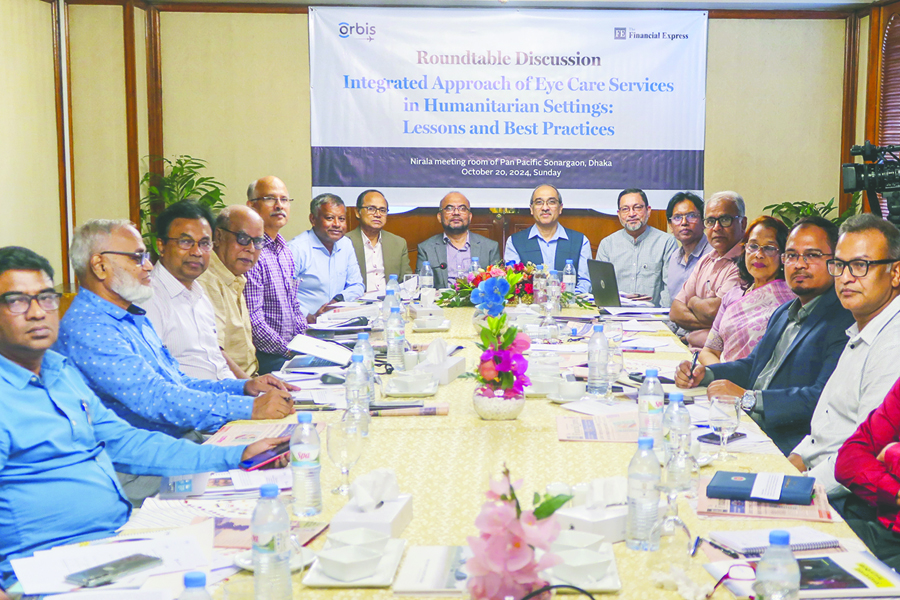
Orbis International and The Financial Express jointly organised a roundtable discussion titled 'Integrated Approach of Eye Care Services in Humanitarian Settings: Lessons and Best Practices' on Oct 20, 2024 in capital Dhaka. Md Mizanur Rahman, Refugee Relief and Repatriation Commissioner (RRRC), graced the discussion as the chief guest while Professor Khair Ahmed Choudhury, Director at the National Institute of Ophthalmology and Hospital (NIO&H), and Md Shamsud Douza, Additional RRRC, were the special guests. Chaired by Prof Dr AHM Enayet Hussain, President of OSB and Country Chair of IAPB Bangladesh Chapter, the discussion was attended by government officials, representatives from local and international NGOs and Orbis partner organisations, and journalists. Shamsul Huq Zahid, Editor of The Financial Express, delivered the address of welcome while Dr Munir Ahmed, Country Director of Orbis International, gave the vote of thanks. Shiabur Rahman, head of FE online, moderated the discussion.
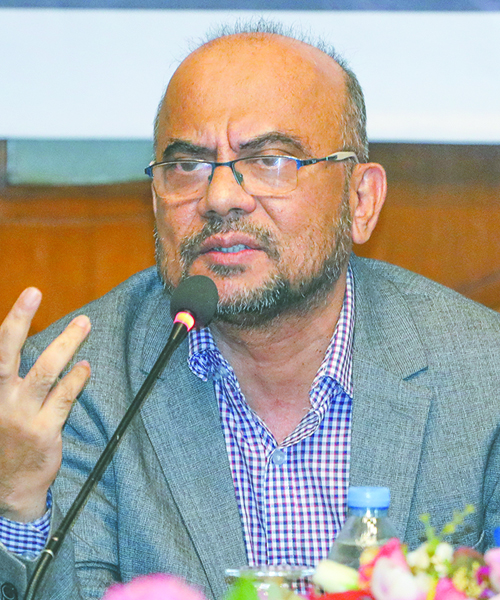 Md Mizanur Rahman, Commissioner, RRRC Office
Eye care is a major area of challenge in our overall health care sector. A major problem in the Rohingya camps is that the literacy rate there is no more than 10 per cent. However, about 350,000 students are now enrolled at learning centres. Besides, over 50,000 more people are getting home-based education. The organisations working for eye care can offer their services in collaboration with the education sector.
Rohingya children are suffering from acute malnutrition which leads to eye problems. They were not immunized for any vaccine preventable diseases e.g., BCG, DPT and polio etc while they were in Myanmar.
The organisations working for the Rohingya are facing financial constraints as donors' attention has shifted elsewhere. One of the single example that shows inadequate funding is that there were once 160 health facilities here and now the number has reduced to 120. Media outlets, especially English media outlets, should highlight the matter so that donors, development agencies and organizations invest funds to maintain and uphold survival and human dignity through priority services like health and eye care for the Rohingya.
Today, each of the 120 health facilities is offering excellent services and there is huge opportunity to integrate primary eye care into the basic health service package. The UN, development agencies and I/NGO needs to prioritise and include primary eye care and referral services as one of the service packages of health and education (for children) sector programme intervention for the Rohingya.
Working on the Rohingya response has created huge potential, we have learned a lot from the response programme. The referral pathway that we have created in the camp is not there even at the national level. Through Orbis's initiative, a unique referral system has been established from the camp/host population to the next level - vision centre and secondary level eye care facility. The complex and complicated patients are being referred to CEITC tertiary eye care facility in Chattogram for surgery.
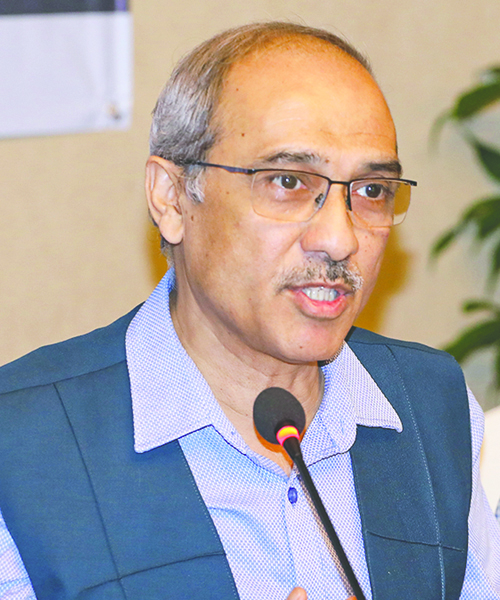 Prof AHM Enayet Hussain, President, OSB & Chair, IAPB Bangladesh Chapter
Eye care is no longer a humanitarian issue, it is now a development issue. If you can give a child better vision, his performance and contribution will also be better. We need to have leadership and advocacy in eye care so that eye care is integrated and delivered with basic health services. If we try to give it in an isolated way, then we will need many establishments which we cannot afford. We need to take a life cycle approach to eye care whether it is development and or humanitarian sector intervention. Eye care needs to be included in the FDMN operation plan under health and or national eye care.
Initiatives need to be taken to increase social bonding among Rohingyas. If we can do this, they will be more willing to seek services. We need to work to increase the health literacy of the Rohingya population. A fresh situation analysis needs to be done and an SOP could be prepared for the policymakers and practioners who are working in humanitarian settings. We will have to face the challenges that lies before us together with all concerned. We need to collaborate with key I/NGOs in eye health to come forward and plan to increase coverage and access to the eye care services for Rohingya people.
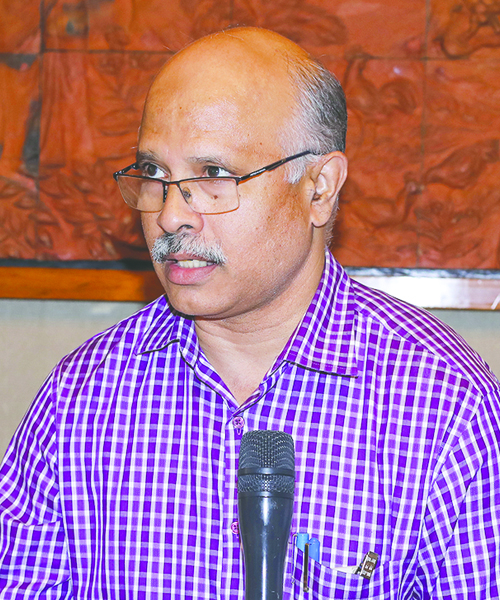 Professor Khair Ahmed Choudhury, Director, NIO&H
Orbis International has set a unique example in service delivery in the humanitarian setting. Currently, the cataract operation rate in Bangladesh is 2800 per million. However, I don't have the data on how much this rate is among the Rohingyas. At present we are providing eye care services to the patients of Cox's Bazar region through Chittagong Medical College. If we can establish a base hospital in Cox's Bazar, it will be easier to provide our services.
Quality surgery is just as important as increasing the rate of cataract surgery. Otherwise its purpose will remain unfulfilled. We, from the government, want to advance our work by cooperating with all the organisations working on eye health.
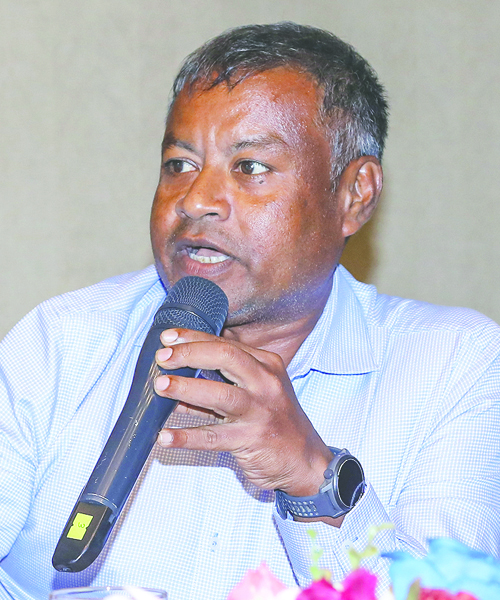 Md Shamsud Douza, Additional Commissioner, RRRC Office
Each Rohingya camp needs to develop trained manpower in eye care, who will offer basic eye care such as measuring refractive errors and providing spectacles for common refractive errors.
Currently patients in Cox's Bazar are sent to Chittagong for some surgery. I think if the district hospital of Cox's Bazar can be strengthened, it will be possible to do such operations here.
There are many pocket areas in Cox's Bazar, where people do not get eye care. People there don't even want to study. They are mainly fishermen. Separate eye camps can be organized there to bring those people under eye care.
You need to take initiatives to increase the rate of cataract surgery. Awareness campaigns should be conducted to motivate people about early identification of eye diseases and referral services from the appropriate facilities.
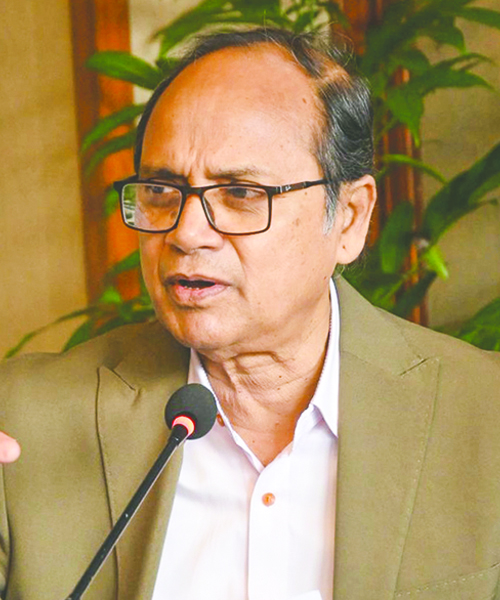 Shamsul Huq Zahid, Editor, The Financial Express
The eye health situation of the Rohingya population was very fragile as most of them were deprived of eye care in their own country. Orbis was the first to bring them under eye care.
Orbis International offers eye care service in humanitarian settings in Bangladesh for the first time in its history. As it has offered them a new experience, it has also created an opportunity for others to learn from that experience. We want Orbis to share its experiences with others and the local and foreign organizations working on eye health services. We also want the relevant government ministries and departments to know about the challenges that Orbis has faced while working, to take initiatives to eliminate them and to extend a helping hand to all those organizations involved in such activities. Government, non-governmental organizations and the media all have a responsibility to create public awareness about eye care. Governments and non-governmental organizations can conduct effective campaigns on different occasions. Mass media can be involved in these campaigns.
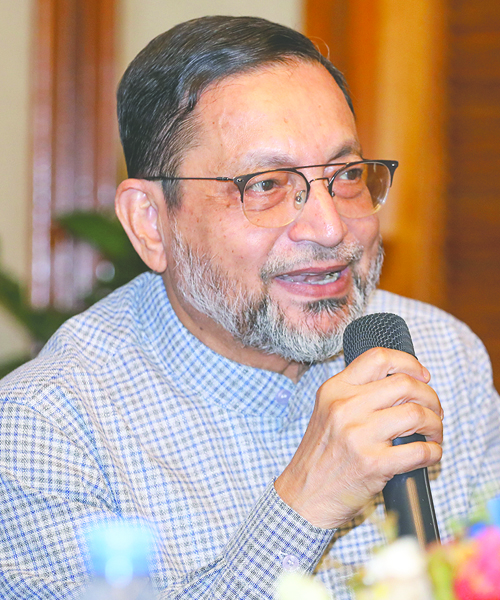 Dr Munir Ahmed, Country Director, Orbis International
A fresh round of situation analysis or assessment is needed in the Rohingya camps. If we can do that, we can see what changes have happened there. It will help in determining our future course of action. More than 400,000 children in Rohingya camps have been brought under the education programme by the government. If this large number of children can be brought under eye care, it will be a great success. We look forward to working for them.
Orbis is still an infant when it comes to gender, disability inclusion, and diversity issues. We want to work more with partners on these issues. If those of us who work in eye health can work more closely together, our work will be more impactful.
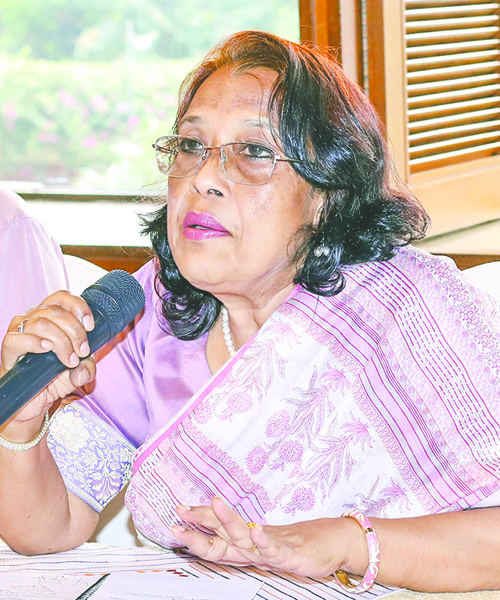 Dr Khaleda Islam, Ex-Director, Primary Health Care, DGHS
Primary eye care and medicines for that should be included in the essential service package. Primary training should be given to frontline health workers who can provide basic eye care. A database related to eye care should be created and complete information of those being served should be included in the database. Eye care should be monitored and evaluated by the Ministry of Health and the DGHS as it happens to other diseases.
Awareness programs should be conducted on eye problems. We found no evidence of care provided previously in a humanitarian setting. Orbis has done a great job in this regard. If we can document and replicate this, Bangladesh and Orbis will be a good example of providing eye care in a humanitarian setting.
If we can integrate eye care everywhere in the health sector, we can easily offer better eye care. Eye care is already included in Integrated Management of Childhood Illness (IMCI) and school health. Around 30,000 babies are born annually in the Rohingya camps and several newborns need ROP screening and early referral to screen and prevent childhood blindness due to ROP.
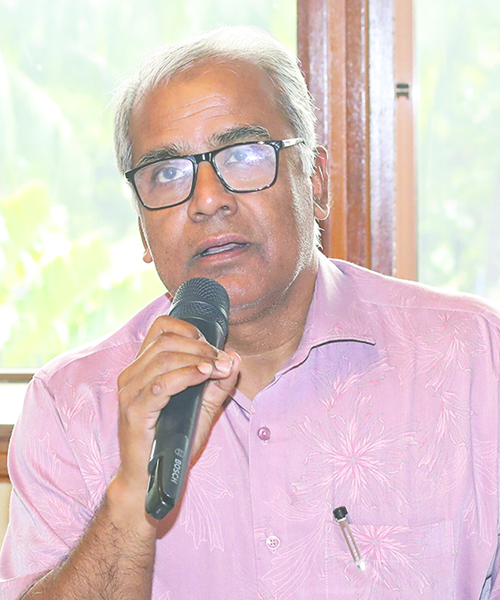 Dr Manzur Kadir Ahmed, Senior Director, Gonoshasthaya Kendra
If a mapping can be done on what different organizations are doing in eye care in Cox's Bazar, we will be able to know where there are still gaps and it will be easy to fill them. Field-level eye care workers who are already trained need more advanced training to provide spectacles to patients with common eye problems like refractive errors from primary eye care facilities. Doing so would reduce the burden of patients with common eye problems at other facilities.
There needs to be an assessment of the quality of the eye care provided by the health posts or primary healthcare centres to understand how much healthcare is actually being provided and what the quality is.
A package training module needs to be developed or revised for health workers working with various NGOs. We have huge resources centring the Rohingya camps. They should be utilized better.
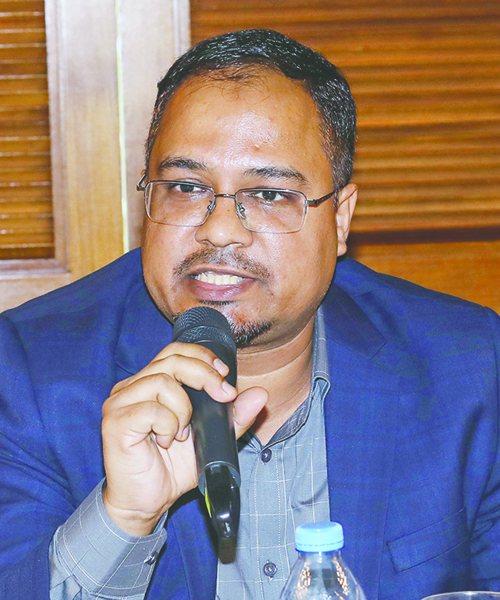 Mohammed Zahidur Rahman, Country Director, CBM Global Bangladesh
We, at CBM Global, wish to see how we can work in an integrated way with other big NGOs. Inclusive eye health should be included in the district development plan and other programmes. If eye care is not given timely, it leads to disability.
From CBM, we run many inclusion programmes like Eye Health Inclusion Program, Livelihood Inclusion Program. Using those models, we can design inclusive programmes. We need to follow-up patients' life after cataract surgery and see how they integrate into society. Orbis has conducted many studies. Can we make a resources hub with their findings so that everyone can share it?
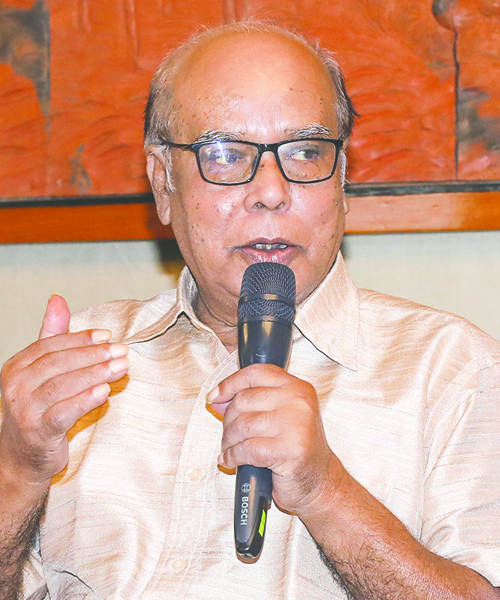 AHM Noman Khan, Executive Director, CDD
Eye care is closely related to disability. Disability increases where eye care is disrupted. Eye health awareness programmes at the national level outside humanitarian settings have largely stagnated. It needs to be reactivated. NGOs work more with private hospitals in Bangladesh. Initiatives need to be taken on how they can work more closely with government hospitals.
Those who regain their sight after eye treatment are given almost no assistance in re-engaging in economic activity. This needs to be worked on.
There is quite a lack of coordination among the organizations that work on eye care. This gap needs to be addressed. NGOs can share their resources and can form a consortium for this.
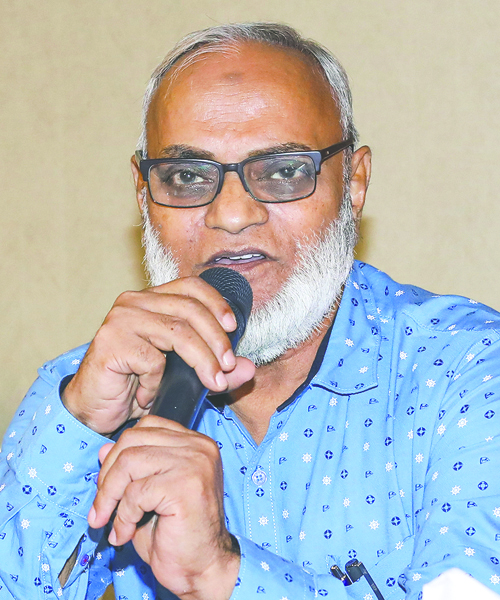 Shahid Uddin Mahmood, Representative, CBBSH, Cox's Bazar
A complete Paediatric Ophthalmology Department with an operation theatre needs to be set up in Cox's Bazar Baitush Sharaf Hospital. If we can do this, there will be no need to take children from the Rohingya community to CEITC Hospital in Chittagong for surgery. This will reduce patient suffering and we will be able to provide better services. We look forward to the cooperation from Orbis International, the Fred Hollows Foundation, other relevant organizations, the government and UNHCR in this regard.
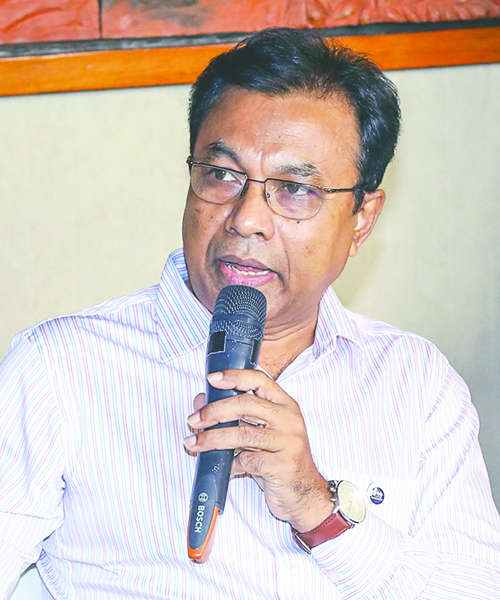 Md Iqbal Hossain, Associate Director, Orbis International
After the influx of Rohingyas into Bangladesh in 2017, Orbis adopted an integrated approach to significantly improve the eye health conditions of the displaced Myanmar nationals and host population after conducting a rapid situational assessment. Supported by a number of generous donors, Orbis, since then, has been implementing several eye care projects to address the eye health needs of both adults and children at the Rohingya camps and surrounding areas in Ukhiya and Teknaf sub-districts of Cox's Bazar.
While working, several studies were conducted (and results disseminated among policymakers to formulate district comprehensive inclusive eye care strategy for Cox's Bazar. Currently, Orbis is working with the government, UN agencies, I/NGO in health and development sectors to promote the integrated approach of eye care services.
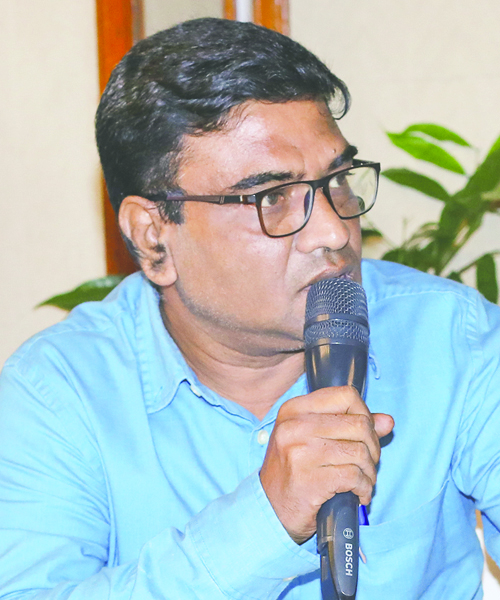 Moniruzzman Representative, ACLAB
The volunteers working in eye care in Rohingya camps should be given upgraded training so that they can provide basic services and patients need not to go to hospitals for spectacles.
Steps should be taken to make government health facilities more accessible and involve the private sector in providing health services to the Rohingya and host communities. Monitoring and evaluation of the work we are doing is very necessary. Through that we will understand how much we are doing, how much we are not able to do and based on that we will be able to decide the action plan in the coming days.
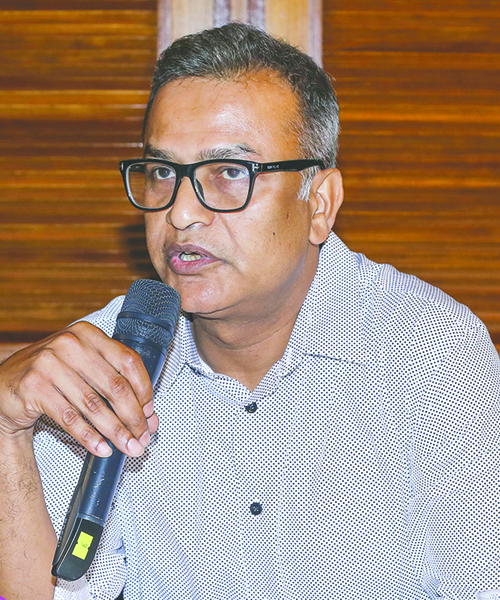 Musabbir Alam, Country Manager, The Fred Hollows Foundation
If we are to achieve the Vision for Everyone goal set out in UN Resolution 2021, we need to make progress in our work at a faster pace. We have to think a little differently; we have to think about how we can strengthen the national-level service delivery. At the same time, we have to see how we can bring services to people's doorsteps and for that we can engage the private sector.
Patients in Rohingya camps on the outer side are receiving better services than patients on the inner side. We have to try to reach the inner camps as well so that we can take the service there. Our situation analysis is very important. Because we still don't know how many camps have service and how many don't.
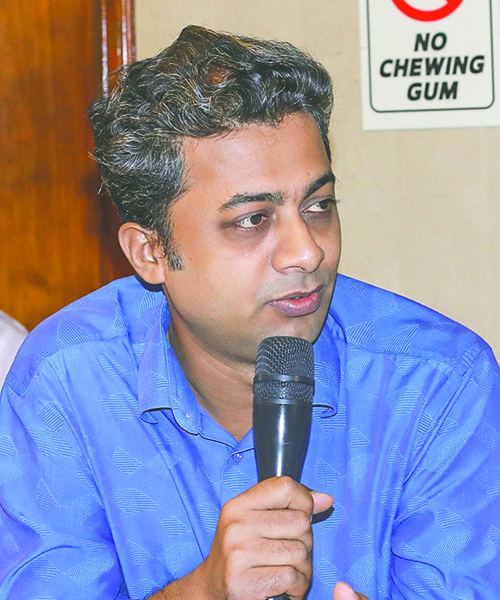 Nurul Islam Hasib, Special Correspondent, Dhaka Tribune
There is no integration in health services in the Rohingya camps. The big problem in the health sector is that there seems to be a lack of seriousness. Here everything is done in an isolated way.
If trained on primary eye screening and care, people from the educated section of the Rohingya community can handle eye problems like refractive errors at health posts or primary healthcare centres, requiring patients not to go to hospital. Such engagement will make the Rohingyas feel empowered and respected.
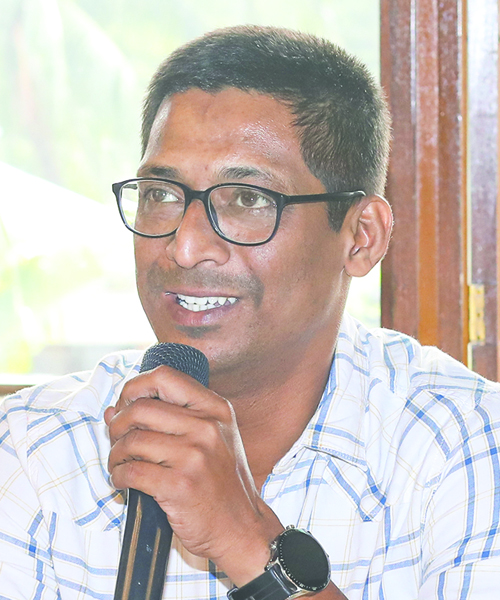 SM Monirul Ahsan, Senior Manager, Orbis International
I wrote so many funding proposals for various organizations, but I never thought that something could be done about eye health. Experience of working with eye health in humanitarian settings is scarce worldwide. That's why there is no evidence in this case. We need to generate evidence and disseminate it. Currently funding from donors to run Rohingya programmes is dwindling. In such a situation, there needs to be an advocacy effort in the field of eye care in collaboration with NGOs working on health.
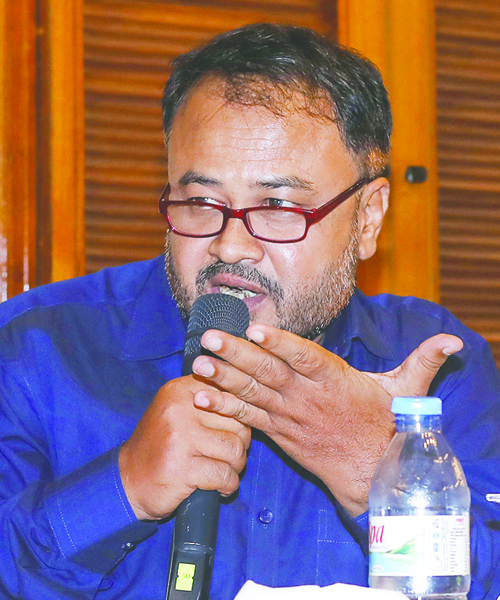 Sarwar Azam Manik, Cox's Bazar Correspondent, Channel i
Awareness about eye health among those living in Rohingya camps is very low. Many of them still rely on unscientific methods to solve eye problems. I think the government health departments and media persons have a lot to do to make them aware.
The media needs to draw the attention of the outside world to the problems here. Apart from Orbis, other NGOs should also come forward to provide eye services to the Rohingya and host community.