

UNICEF sent at least five letters warning Yunus government over vaccine shortage
Published :
Updated :
 For all latest news, follow The Financial Express Google News channel.
Rana Flowers, the UNICEF representative to Bangladesh, has added fuel to the ongoing criticism of the Nobel laureate Muhammad Yunusgovernment's vaccine management, revealing that the UN agency sent multiple written warnings about an imminent vaccine shortage.
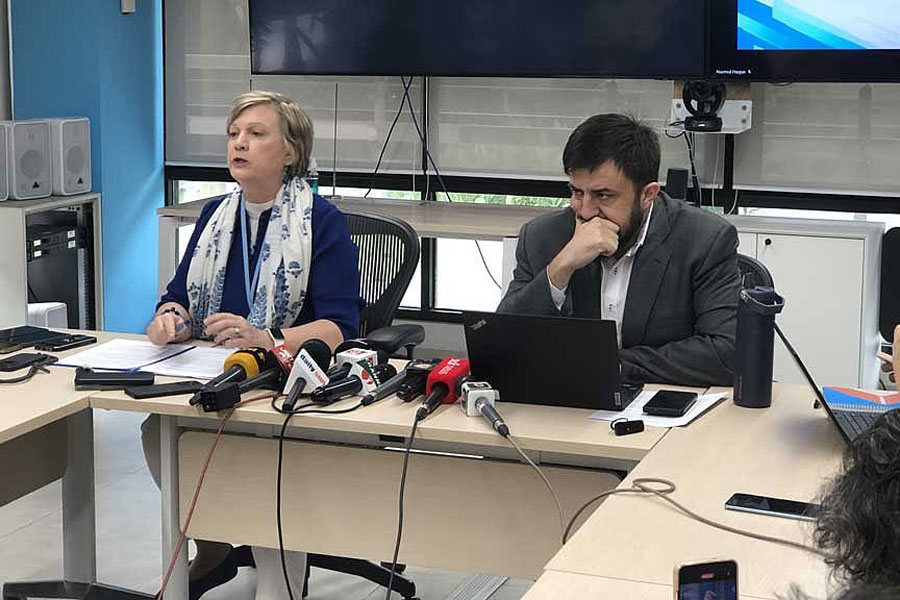
Speaking at a press conference in Dhaka on Wednesday, Flowers disclosed that UNICEF had sent five to six letters and held at least 10 meetings with the Ministry of Health under the Yunus-led administration to alert them about the crisis.
The revelation comes amid recent media reports on a letter Flowers sent to the then health advisor Nurjahan Begum on Feb 10 -- just two days before the national election -- warning of an "imminent shortage" of essential vaccines.
While that letter was dispatched during the final days of the interim administration, the UNICEF Bangladesh chief emphasised on Wednesday that it was far from the first official warning.
"I may not have all the specific dates in front of me right now, and I believe that will come out in the investigation," Flowers said in response to a reporter's question.
"But I know that we sent five or six letters between 2024 and February 2026."
Explaining the timing of the Feb 10 correspondence, Flowers said it was a strategic move to ensure continuity of awareness during the political transition.
"That particular letter was sent in the hope that whoever assumed the post in the new government would find it directly on their desk. Following that, we followed up to seek information and requested meetings."
Flowers maintained that she personally raised the alarm during at least 10 high-level meetings with the interim government's health advisor and senior bureaucrats.
"I told them, 'We are worried.' I said, 'Look at my face -- I am worried that you are going to run into a shortage'."
The interim government, which took office following a student-led movement in August 2024, has faced intense scrutiny from health experts and the public over its handling of the routine immunisation programme.