

Published :
Updated :
 For all latest news, follow The Financial Express Google News channel.
Not long ago, fame felt like a distant dream. To become a star in Bangladesh, you needed to land a role in a popular BTV drama or a film! You waited years for auditions, then built connections with directors and hoped TV channels would pick your show. Once on air, millions watched you at a fixed time. Your face appeared on magazine covers, but only a handful of big names truly broke through. Ordinary people stayed ordinary. Fame belonged to the lucky few.
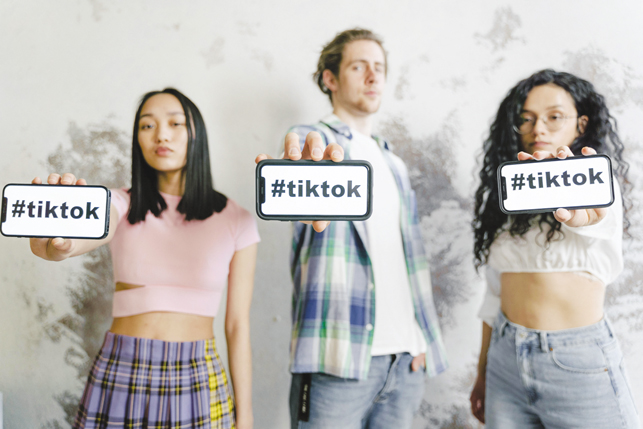
Now, anyone can use a smartphone to create a short dance video, a funny skit, a life hack or a simple cooking tip. They can post it on TikTok and wake up the next day with thousands of followers. There is no need for producers, expensive equipment or long waiting. This new system is open to everyone. It depends more on creativity and ideas than money or connections. The shift from TV to TikTok has made fame faster, wider and easier to reach for ordinary people.
What caused this big change? This major change occurred mainly due to technological advances and new content styles. Smartphones and cheap internet made it easy for anyone to create and share videos in minutes. Platforms like TikTok, Instagram Reels and YouTube Shorts use smart algorithms to show videos to thousands of people, even if the creator is unknown. At the same time, content has become simpler and more real. People now prefer short, honest, and relatable videos over long, polished shows. Fame is also global and interactive, as one video can reach audiences worldwide, and viewers can like, comment and connect instantly.
Because of these changes, stardom today looks very different. It is no longer only about traditional celebrities. Influencers, writers, preachers and even regular people with one good post can become stars. Success depends less on talent or looks and more on how well your content connects with people! If it makes them laugh, think or feel seen, the algorithm helps it spread. Fame can come overnight, but it can also fade quickly if posting stops. One needs to stay active, read comments and keep the audience happy.
Real examples make this change clear. In the past, a Bangladeshi TV actor needed many years to become well-known. Today, someone like Munzereen Shahid gained recognition much faster by sharing simple English lessons online. Her easy teaching style helped many students and quickly reached millions, showing how social media can create both fame and real social impact. Globally, Khaby Lame shows the same shift. After losing his job during COVID, he started making short, silent videos that made fun of complicated life hacks. His simple ideas and expressions went viral, and within a few years, he became the most-followed person on TikTok, turning a few homemade videos into global fame.
Fame is also reaching new spaces. Religious speakers now share short messages online, and these clips reach people who may never go to a mosque or church. Writers benefit from trends like "BookTok," where readers share their thoughts on books. A little-known author can suddenly become popular when their book goes viral. Even ordinary moments can change lives. A young boy in the United States became famous just by talking about how much he loved corn. Another man became popular after posting a relaxed video of himself skating and listening to music. These stories show how one simple post, 'made on a phone', can reach millions and change a person's life overnight.
In Bangladesh, we see the same trend. Young people from villages or small towns create dance challenges or cooking tips and suddenly get brand offers. Fame is no longer limited to Dhaka's film industry. It belongs to whoever makes content that feels real.
Of course, this new kind of stardom has a cost. It looks exciting because anyone can try, but it also brings constant pressure. Creators feel they must post every day to stay visible. If they stop, people quickly move on. Many also face harsh comments and online trolling. For example, Addison Rae, one of TikTok's early stars, has often spoken about the pressure to stay relevant and the criticism she receives online. In Bangladesh, too, several young creators have stepped back from social media after facing bullying and mental stress. The attention can be overwhelming, especially for those who are not prepared for sudden fame.
This new kind of stardom comes with real costs. It may look exciting, but it puts constant pressure on staying visible. Creators feel they must post every day, or people quickly lose interest. Many also face trolling and harsh comments. Even stars like Addison Rae have spoken about online criticism and the stress of staying relevant. Some creators in Bangladesh have even stepped away from social media due to bullying and mental strain. Fame can come fast, but it can also feel overwhelming and difficult to handle.
At the same time, this fame does not always last. What goes viral today can be forgotten tomorrow. The internet moves quickly, and trends change overnight. Bella Poarch became famous from a single video, yet later spoke about the pressure that followed. Today, anyone can become visible in seconds, but staying remembered is the real challenge. One post can make you, and the next can erase you. So now the question is not who can become famous but who can stay remembered - will it be you?
ashfah257@gmail.com