

Published :
Updated :
 For all latest news, follow The Financial Express Google News channel.
Remember the Glucon-D advertisement, where the sun seemed to drink the energy of little children playing in the field? With a straw? As though it could pull the minerals right out of their bodies. That is exactly what summer in Bangladesh, especially in Dhaka, can feel like.
And summer is already knocking at the door. Yet, every year, some people begin to 'romanticise' the scorching heat, known as the 'summer lovers'. But why? What is so special about a season that leaves people feeling drained, restless, and almost cooked?
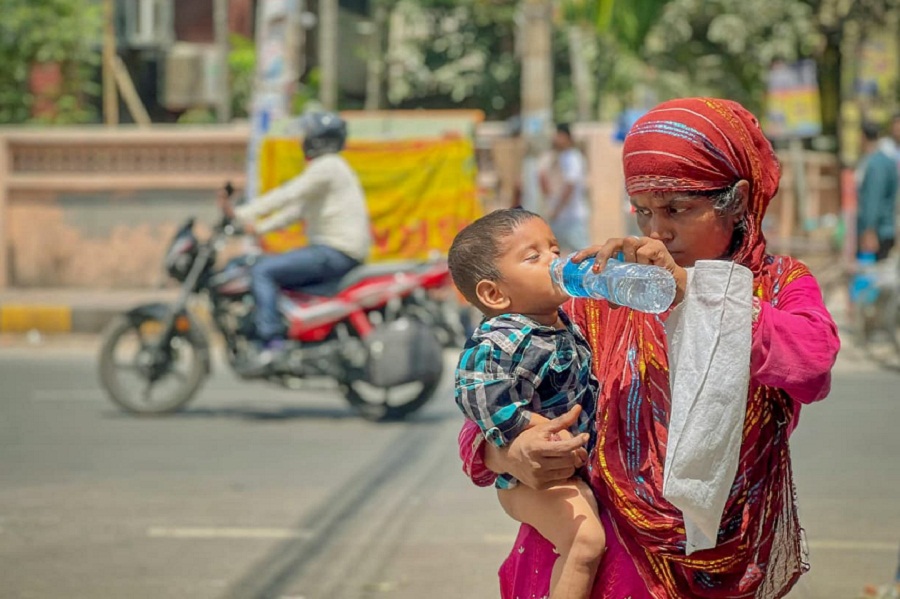
On a random summer day in Dhaka, the heat does not sit quietly. It presses down. The air feels heavy. Roads shimmer. Metal surfaces burn to the touch.
For many, stepping outside feels like walking straight into fire.
A rickshaw puller pedals slowly through traffic. His shirt is soaked in sweat within minutes.
A street vendor stands for hours beside a hot stove. A construction worker carries bricks under direct sunlight. For them, summer is not an aesthetic. It is a daily test of endurance. In Bangladesh, summer is not just uncomfortable; it's hot. It can be dangerous.
High temperatures increase the risk of dehydration, heat exhaustion, and heatstroke. According to climate experts, urban areas like Dhaka feel even hotter due to the 'urban heat island' effect.
Concrete buildings and asphalt roads trap heat. Trees are fewer. Airflow is limited. The city holds onto warmth long after sunset.
So, why do some people still romanticise it?
Part of the answer lies in psychology. Human memory does not always clearly retain discomfort. It tends to highlight pleasant moments.
Summer often comes with long holidays, mangoes, lychees, and evening breezes after a storm. These positive associations can soften the memory of harsh heat.
There is also a biological factor. Sunlight increases serotonin production, a hormone linked to mood and happiness. Longer days can make people feel more active and energised. This creates a natural preference for sunny weather, even if the temperature itself is extreme.
Another reason is exposure. People who spend most of their time indoors experience summer differently. Air conditioning, fans, and shaded environments reduce the physical stress of heat. For them, summer becomes something to observe, not something to survive.
Social media adds another layer. Platforms often highlight the best parts of any experience. A glass of iced lemonade looks better on camera than a crowded bus ride in 40-degree heat. Over time, these images create a filtered version of reality. One that feels lighter, cooler, and far more pleasant than the truth.
But it is important to distinguish between perception and reality.
The discussion is not about whether summer is worse than winter. Extreme cold can be just as harmful. The real concern is intensity. Weather patterns are becoming more severe. Summers are getting hotter. Heatwaves are lasting longer.
This is closely tied to environmental changes. Rising global temperatures, loss of green spaces, and pollution all contribute to harsher summers.
In cities like Dhaka, rapid urban growth often comes at the cost of trees and water bodies. Without these natural cooling systems, heat builds up faster and stays longer.
Scientists warn that if current trends continue, heat stress will become a bigger public health issue in countries like Bangladesh. Those who work outdoors will face the highest risk. And they are often the ones with the least protection.
This makes the romantic idea of summer feel distant from reality. Yes, there are parts of summer that people enjoy. Seasonal fruits, school breaks, sudden rain after a long, hot day. These moments matter. They bring comfort. But they do not erase the challenges faced by millions who cannot escape the heat.
The question is not why people love summer, but how differently they experience it. For some, it is a season of light and leisure. For others, it is a season of survival. And as summer approaches again, the contrast becomes impossible to ignore.
malihatasnim02215@gmail.com