

Published :
Updated :
 For all latest news, follow The Financial Express Google News channel.
You wake up in the morning only to find that your alarm didn't go off, and now you're late for work. You hurriedly tried to get breakfast but couldn't as your gas bills were due. You rushed to the bus anyway, but there's no sign of a bus today. So you must pay an extra fare to the rickshaw puller to reach the office. And now, your boss is scolding you for being so late. This is only before 10 am. After office hours, you faced severe traffic and fought with another passenger. Oh well, at least you're home now. You're about to take a shower, and the water's gone. What a day!
Many people face days like this in their adult lives. It depends on how one sees the situation and handles it. Shifting the outlook on life to a more positive side may have some benefits, but this only happens after some time.
Only a few people automatically come up with a lucky explanation when faced with adversity. You must train your brain to find lucky interpretations with months of practice and repetition.
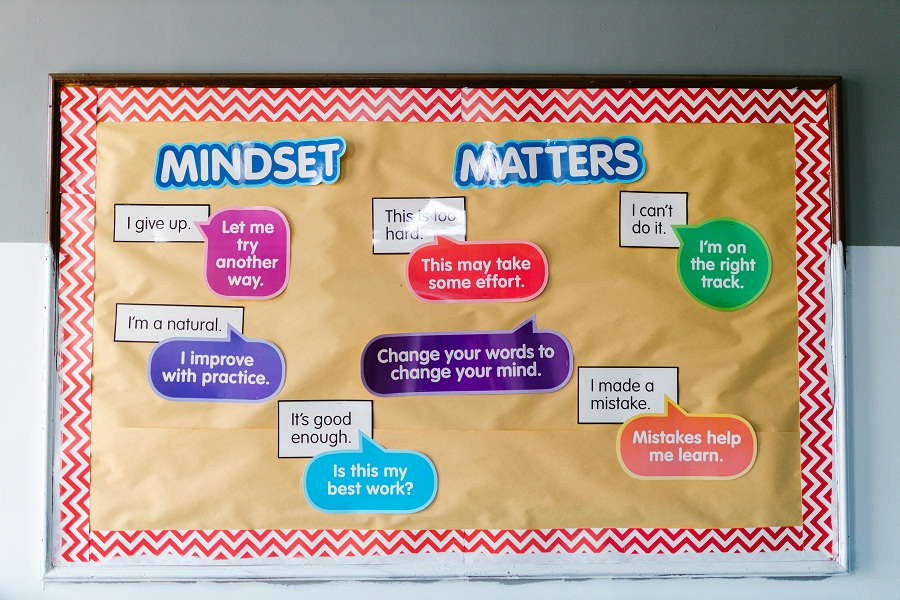
Acknowledging and reframing reality positively without ignoring adverse events will open new neural connections and change your mindset.
The university admission phase in Bangladesh is one of the most challenging times for students. Loads of uncertainty, unfulfilled dreams, and immense struggle lie beneath the surface.
After this competitive war, some students reach their destinations, and some have to take alternate paths.
So what do you think about them? Are they lucky because they got into their dream place, and the rest are not because they couldn't make it? Say they're fortunate enough to be seated at the best educational institutions. But what if they could be more promising at their job? Now they're unlucky. Or how about someone who lost their loved one? What would one say to them? Some will say- "good god, I got lucky", or some say- "why do bad things always happen to me?" and there's another kind that says- "sure, I didn't get what I wanted, but let's see what lies ahead for me."
Luck is just in agreement with one's expectations. Life is more than that. Notice the difference? This raises the question of how they find ways to get an 'I got lucky' interpretation. Here's how they do that-
Acknowledging the reality
It must be clear that possessing a lucky mindset doesn't mean ignoring or downplaying adverse events. The people above acknowledged that they did not get what they wanted. They weren't engaging in toxic positivity, which involves denying or minimizing genuine distress. It's about just embracing reality as it is.
Reframing the scenario
After acknowledging the reality, intentionally look for a positive angle. For instance, "I wanted this job so bad, but that's okay. I have to keep trying somewhere else."
In psychology, a well-known effect highlights the importance of whom you compare yourself to. Comparison can either make you feel small or generous, depending on which kind of people you choose. Then, reframe your thought process. Change the perspective of the situation in a way that leaves no space for frustration, hopelessness, or repressed anger.
Practice earns perfection
Regular practice increases the chance to habituate your brain. Adopt a habit of completing tasks with "How lucky am I?" As you repeat this process, you create a new neural connection.
Trying this more than three times will make it an automatic response.
Doing all these things doesn't mean you're ignoring life's challenges. Having such a balanced perspective will make life more manageable and stress-free.
nidrisanan7314@gmail.com