

Is Rose perfume slipping from royal legacy to forgotten shelves?
Published :
Updated :
 For all latest news, follow The Financial Express Google News channel.
On a rainy afternoon in Dhaka, a middle-aged man stood in front of a perfume stall at Mitford, turning a small glass bottle in his hand. The liquid shimmered faintly in the weak light, a rose attar that smelled almost exactly like the one his father used decades ago. For a moment, memory took over, weddings, evening gatherings, the faint sweetness clinging to prayer rugs. Yet, instead of buying it, he placed the bottle back on the shelf. “It feels old now,” Abu Rashed Khan muttered, almost apologetically, and walked away.
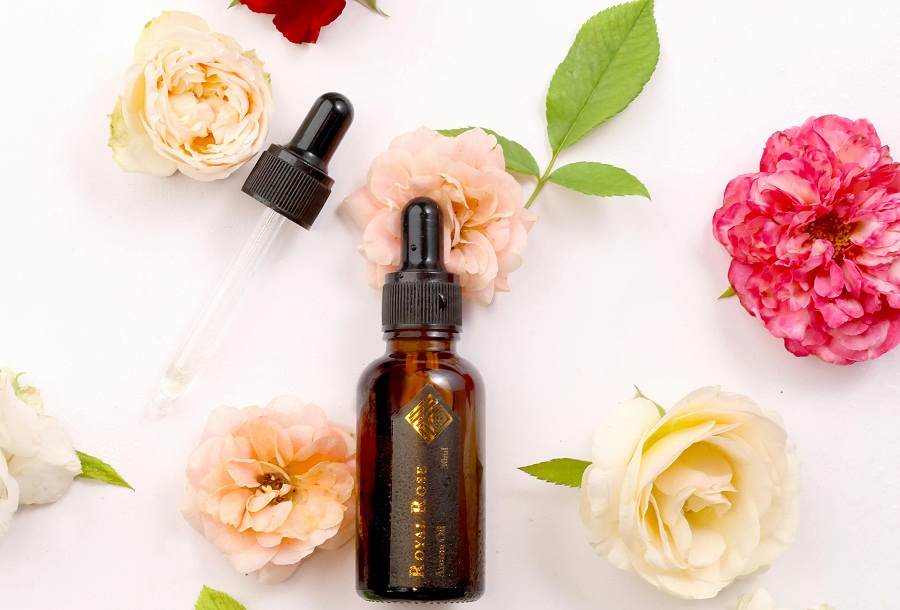
The rose has carried a long history in perfumery, stretching back to ancient Egypt, where rose water was used in rituals, to Mughal India, where emperors like Jahangir and Shah Jahan cherished rose attars as symbols of elegance and status.
Even in the courts of Europe, roses infused royal chambers and carried whispers of power and romance. Modern giants like Guerlain, Yves Saint Laurent, Jo Malone, Dior, and Givenchy still release rose-based lines, each reinterpreting the flower with contemporary blends. But despite this legacy, something is shifting in cities like Dhaka. The younger crowd seems less drawn to the old charm of rose, seeking instead citrusy, fruitier, sharper, and more experimental scents.
Inside a cramped shop in Mitford, a shopkeeper adjusted rows of small attar bottles. Asked about sales, he sighed. “Rose used to be the first choice for people of all ages. Now, hardly anyone under 30 even asks for it. They want oud, vanilla, or citrus. Rose is seen as outdated.”
Over at Baitul Mukarram Market, the story is not very different. A long-time perfume seller leaned back in his chair, smiling with a hint of resignation. “During Ramadan, rose attars were once a staple gift. These days, I keep them on the shelf just to honor tradition. They move slowly, while Arabian blends fly out in days.”
At Shimanto Square, where perfume shops display imported brands with glossy packaging, the picture is even clearer. The owner of Al-Ro’uf, a perfume shop, explained, “Most buyers come asking for international names. They like layers—something that feels modern, not a single-note rose. To them, rose is either for older uncles or special religious use.”
The decline isn’t only about changing taste but also about lifestyle.
Syeda Tanha, an office-going young woman in her mid-20s, explained her preference with disarming honesty. “Rose feels heavy on me. I need something fresh, something that fits in a meeting and still works when I’m out with friends. Rose feels too serious.”
For many, it’s also about identity. Nazmul Hasan Bappy, a 38-year-old businessman, spoke of his journey. “In my father’s time, wearing rose attar was a matter of dignity. I respect that, but times have changed. It feels like part of the professional image now.”
Even at the roadside stalls of Nilkhet, where perfume oils are sold in tiny glass vials, the shift is visible. A street shopowner shrugged when asked about the rose. “Students hardly buy it. They laugh and say it’s for the elders. Rose just sits here.”
This slow fading of the rose’s dominance tells a larger story. Once a universal scent tied to spirituality, love, and nostalgia, it now struggles to compete in a crowded market where novelty is prized over continuity.
Yet, dismissing Rose entirely misses the point. Perfume houses across the world still experiment with it, blending rose with oud, pepper, or amber to make it feel new again.
In Dhaka, though, the transition feels more absolute. The rise of globalised consumer culture means that old bottles of rose attar carry more of a memory than a trend.
People still respect it, but it no longer sets the tone of modern style. Perhaps that’s why the man at Mitford put the bottle back—the rose had already done its work in his life, leaving behind a fragrance that belongs more to yesterday than today.
raiyanjuir@gmail.com