

Smart techniques that make your multitasking easy in Ramadan
Tuhin Saiful Islam and Zahid Hasan
Published :
Updated :
 For all latest news, follow The Financial Express Google News channel.
Every year, when Ramadan comes, millions of Muslims in Bangladesh are ready to spend a month fasting, praying, reflecting, and practising self-discipline while maintaining their jobs. Nowadays, people don't limit themselves to one particular job. But because of the huge demand to meet in the month, people have no choice but to doto do multiple jobs at a time, some attending office and some working from home. This situation forced people to learn and excel at multitasking. Multitasking is tough, and in Ramadan, it becomes even tougher, as lifestyle, sleep cycles, and other activities change. In the past, individuals did not have to do many jobs at once. Even two decades ago, people used announcements in mosques, printed calendars, and family traditions to keep track of their fasting and adjust their work accordingly. But today, smartphones have become an inseparable companion in people's everyday life, and during Ramadan, it becomes even more essential.
Ramadan is turning out to be not only a spiritual journey but also a digital one in a country where mobile internet penetration is increasing rapidly.
Time management
One of the most significant problems in Ramadan is maintaining the right proportion of effort. The Suhoor should not be extended beyond the Fajr prayer, and the Iftar starts at Maghrib. Even a couple of minutes of being on the wrong track will result in anxiety.
Applications such as Muslim Pro and Athan provide accurate prayer timetables based on location. Customers receive notifications before Suhoor and at Iftar. For most urban families in Dhaka, Rangpur, Chattagram, or Khulna who are busy with work, this is the only thing that makes fasting more structured and stress-free.
Users do not need to open printed timetables daily; they can open an app. The technology also automatically adjusts when the prayer times change throughout the month.
Enhancing intention by tracking
Fasting includes not only remaining hungry but also having an intention and restraint. Some individuals start Ramadan with good intentions but fail to continue after the first week.
There are also goal-based applications, like Ramadan Legacy, that enable users to set daily objectives, such as praying five times a day on time, reading a certain amount of the Quran, or performing a small act of charity between their daily work. The application monitors results and displays streaks.
This visual development induces mental enthusiasm. When individuals realise they have been fasting for all 10 days, they become motivated to continue.
Scheduled tasks
For example, sending a file via email or sharing information with a group can be done with the help of AI, or making a schedule for when one can deliver their work on time. One has to make a schedule, and the rest are done.
Preparing food and maintaining a habit
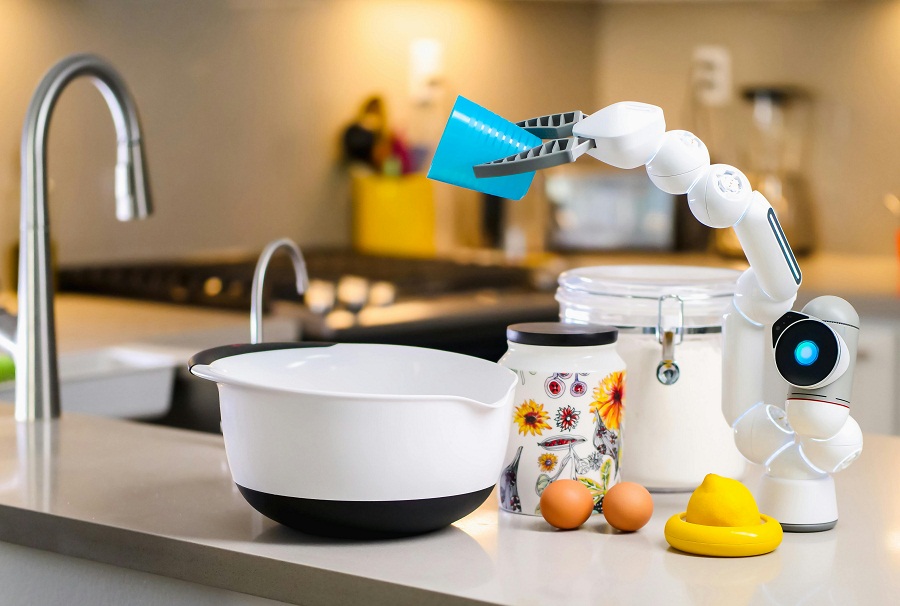
Preparing food is also a huge and complex task that everyone has to go through. There are various tools and equipment made to make our job easier. From chopping and mixing to frying, all will be done easily, saving a great amount of time.
There are also some apps like Loop Habit Tracker that help track our habits. One can check their daily habits, such as no social media until Iftar, no smoking, no anger, etc.
This is a way of relating spiritual practice to contemporary productivity aids. Many young professionals indeed believe that faith and technology can help them enhance their religious and personal lives.
Managing health during fasting
To maintain peak physical health during Ramadan, modern digital tools can be your best ally in avoiding the common pitfalls of dehydration and energy crashes.
In our country, where deep-fried favourites like piyaju and beguni dominate the table, using AI-driven nutrition apps can help you 'air-fry' your traditional habits by suggesting lighter alternatives and monitoring calorie density.
Rather than 'chugging' water at Suhoor, which the body often cannot process efficiently, smart hydration trackers encourage 'steady sipping' of 2.5 to 3 litres of fluid throughout the night to ensure deep cellular hydration.
By leveraging these tech-enabled reminders and meal-planning platforms, families can replace sugary beverages with electrolyte-rich options and better manage sleep cycles, transforming the holy month into a period of both spiritual elevation and physical rejuvenation.
Ramadan is deeply social. The mosques are congested; charity is on the rise, and families are brought together every day. This spirit of community is also being improved with the help of technology.
Numerous applications offer options for charity trackers, fasting counters, and daily Muslim notices, which can be connected to your bank accounts as well, so you don't need to worry about when and how you're going to donate, what the percentages should be, or how much you've saved. All of these can easily be done automatically; you don't have to do them manually.
Nevertheless, specialists caution that technology may also distract during Ramadan. Constant alerts, entertainment applications and scrolling of social media may cause distractions.
The solution is mindful use. Ramadan apps ought to minimise unnecessary use rather than screen time. Some users even uninstall entertainment apps every month and only keep prayer or Quran apps.
Technology is an effective aid to will rather than to will.
These applications come in handy with students who have to deal with tests, employees who have to juggle work hours, and even homemakers who are trying to organise their family schedules. They minimise confusion, promote consistency, and help maintain discipline outside the holy month.
Ultimately, the whole scene of Ramadan is shaped by responsibility and emotion. The structure can be created by technology and easily maintained and managed, but it cannot guarantee spiritual satisfaction. It cannot substitute for intention, but it can fortify dedication.
Ramadan in Bangladesh is becoming a blend of tradition and innovation, with centuries-old cultural practices literally at our fingertips. And maybe that is the transformation: it does not replace religion with technology, but applies technology to enhance the feelings of faith.
tuhinsaifuldu@gmail.com and hasan.zahidwalkingtales@gmail.com