


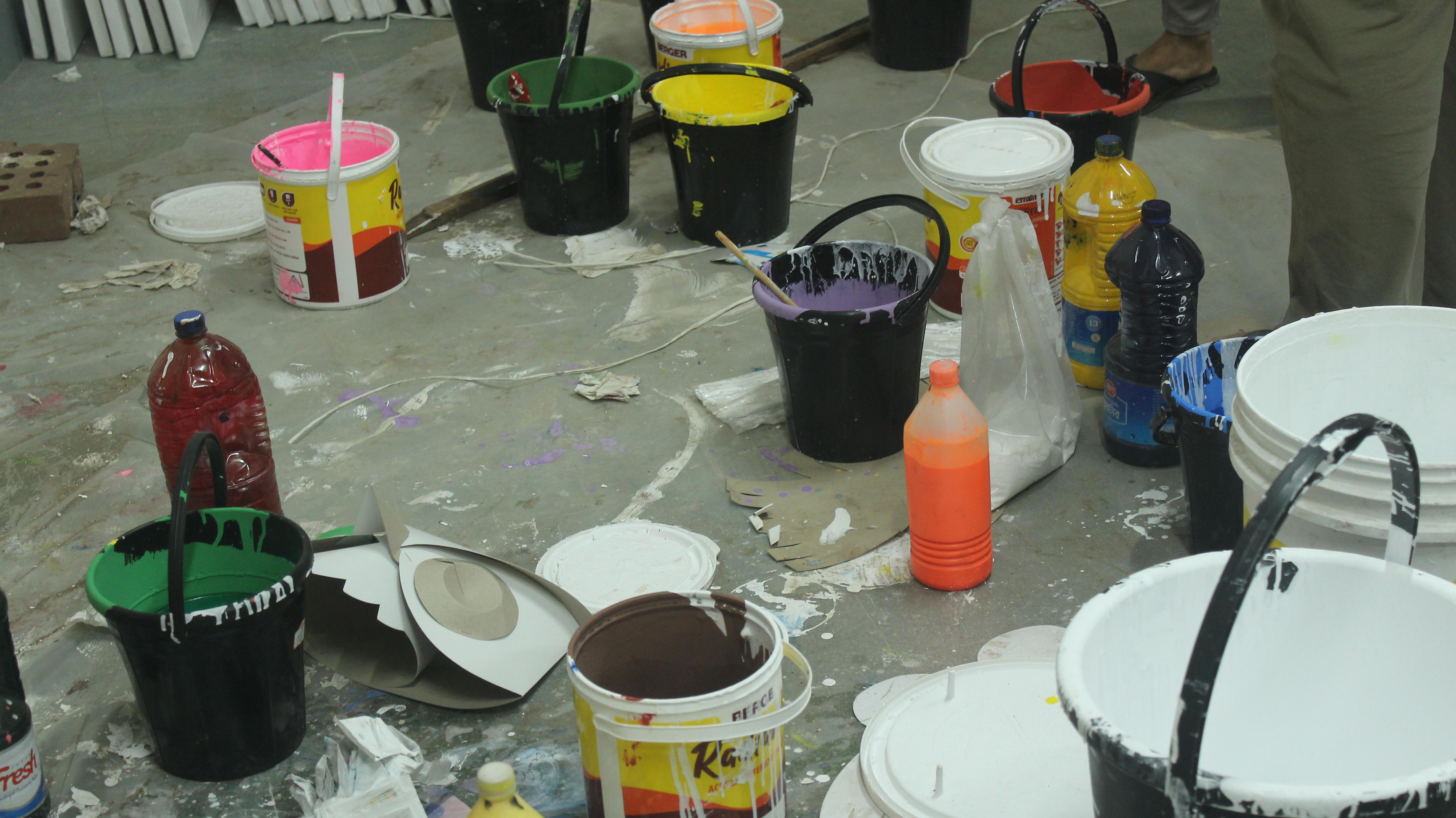
It is a fine day of Chaitra. The Faculty of Fine Arts at the University of Dhaka is currently in a busy period. The smell of bamboo, paper, and paint is in the air as the campus prepares for the traditional and most anticipated festival of the year, the 'celebration of Pohela Boishakh.'
Some people are adding final touches with a brush, while others are fixing bamboo structures.
In one place, an artist is carefully painting the eyes of a big elephant. In another, bright colours are being added to the wings of a rooster or a pigeon.
Slowly and quietly, large traditional items such as ektaras, dotaras, palanquins, elephants, and horses are being made.
At the centre of all this work are the artisans called 'Chhaiyal.' They are the people who bring these artworks to life. While the public only sees the colourful festival, these artisans work hard behind the scenes, often under tight deadlines.
For many artisans, this is more than just a job; it is a legacy, a way to express their art, a means of redemption from everyday struggle, and a way to showcase their creativity while celebrating the Bengali festival. Passed down through generations, the craft lives on within families. One artisan shared that his family has been part of this tradition for three generations. He himself has devoted nearly 35 years to it, following in his father's footsteps.
When Baishakh comes, their life becomes very busy. They may have other jobs during the year, but this is their busiest time. They work day and night, often without proper rest. Still, they feel proud, knowing their work will bring joy to thousands of people.
How these arts are made
Making one large motif usually takes seven to ten days. First, a structure is built with bamboo. Then paper is added in layers, dried, and painted. Every step needs care as they are delicate. A small mistake can damage the whole piece.
Many people work together. It is a team effort, working together to connect with a larger number of visitors. Some make the structure, some paint, and others finish the details. The theme and design are decided each year by the teachers and students of the University of Dhaka's Fine Arts faculty. At the same time, the artisans turn those ideas into reality.
Meaning behind the colourful motifs
Each year, the theme of Pohela Boishakh changes in line with current events and societal trends. This year's theme includes elephant, horse, rooster, pigeon, and dotara- each carrying a specific message.
The pigeon is being presented as a symbol of peace. This motif aims to convey the atmosphere of relief that has emerged in the country after a long period of political unrest.
On the other hand, the dotara represents the Baul tradition of Bengal, in light of the recent destruction of musical instruments of Bauls across the country. This motif seems to carry a kind of protest and a silent message of preserving culture. To stand by with Bauls showing solidarity.
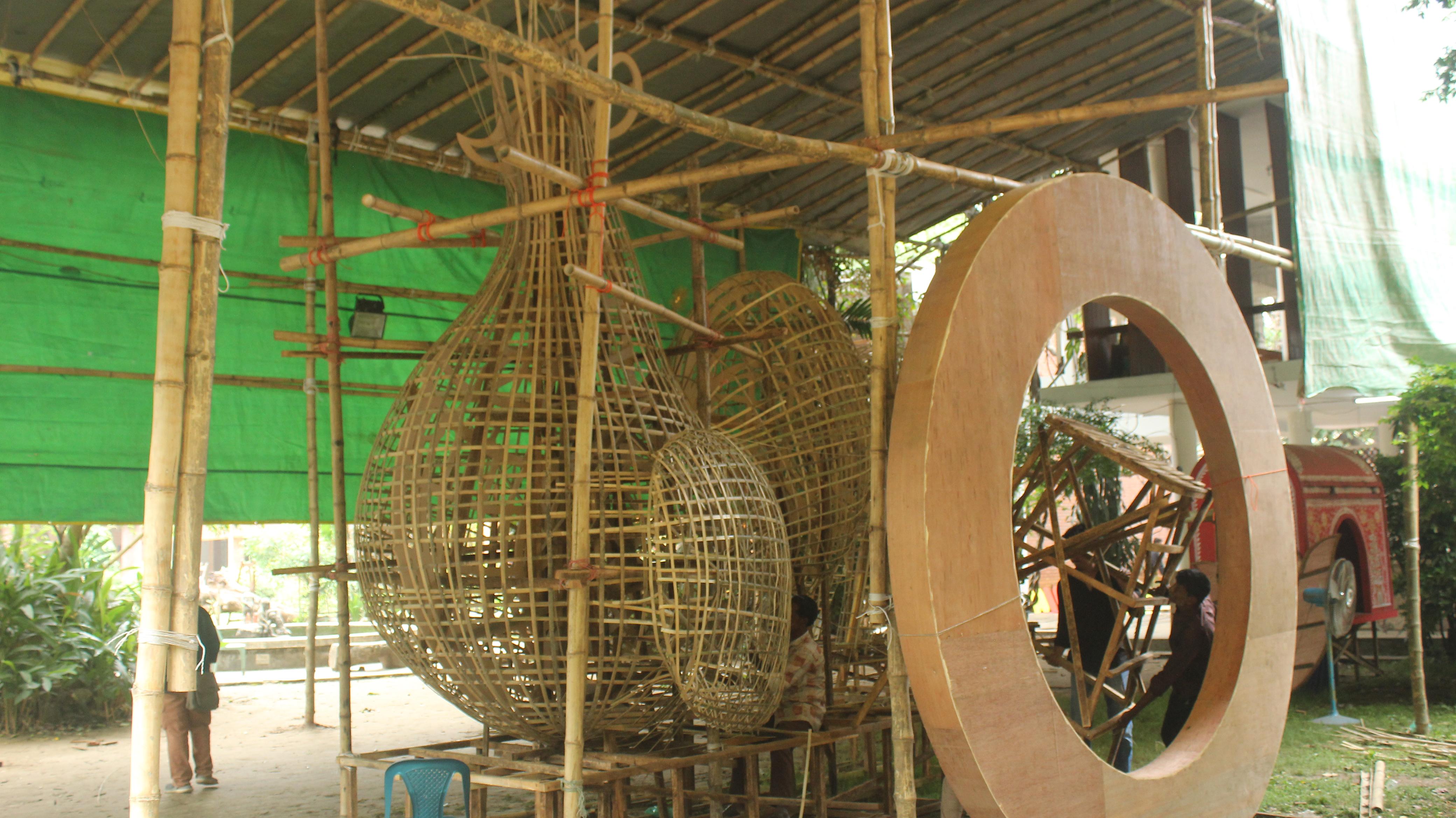
The rooster has been presented in this year's procession as a symbol of the new morning. In the life of rural Bengal, dawn begins with the crowing of the rooster- as if the journey of a new day begins with waking up. That familiar scene has been used symbolically here, which carries a message of new beginnings and hope. Robiul Hossain, an artist and former student of the DU Fine Arts Faculty who has closely observed and sometimes participated in these arrangements, is very enthusiastic, saying that the festival is for all. "These artworks belong to all, we allow visitors to paint something for themselves, kids love it," he says.
Masks and pottery
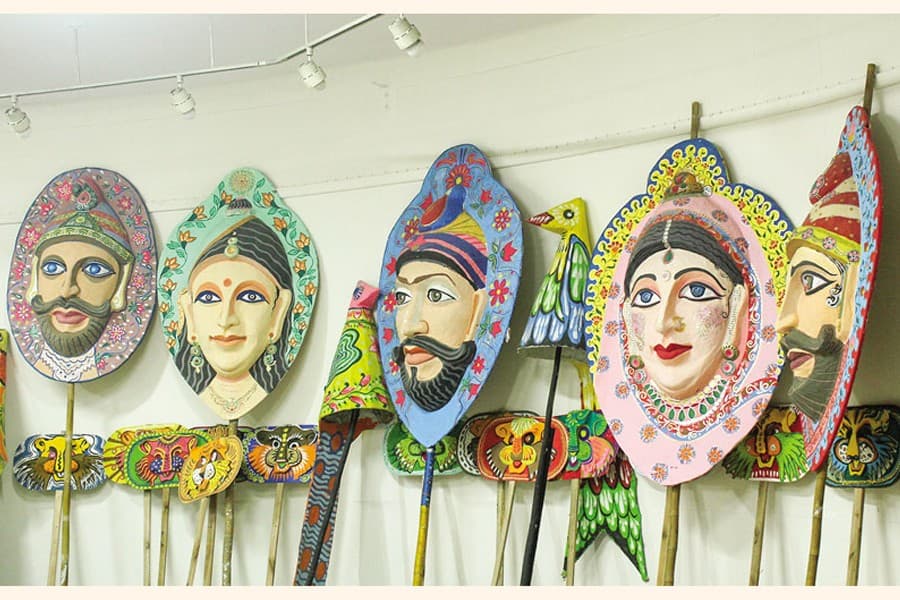
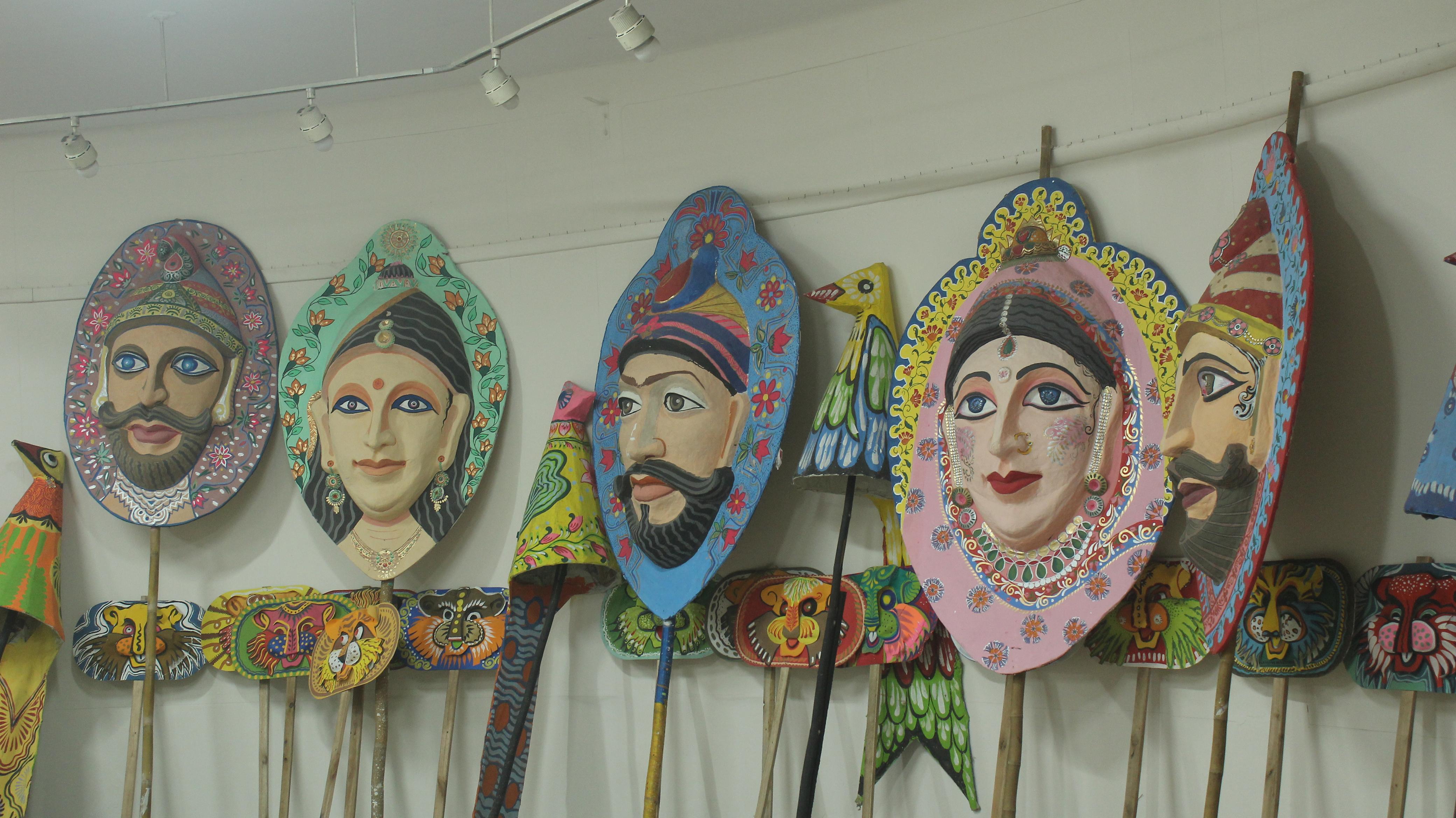
The shobhajatra, a large rally carrying all the artworks together and wishing good for the people of the country, is not just about large figures. There are also colourful masks and pottery.
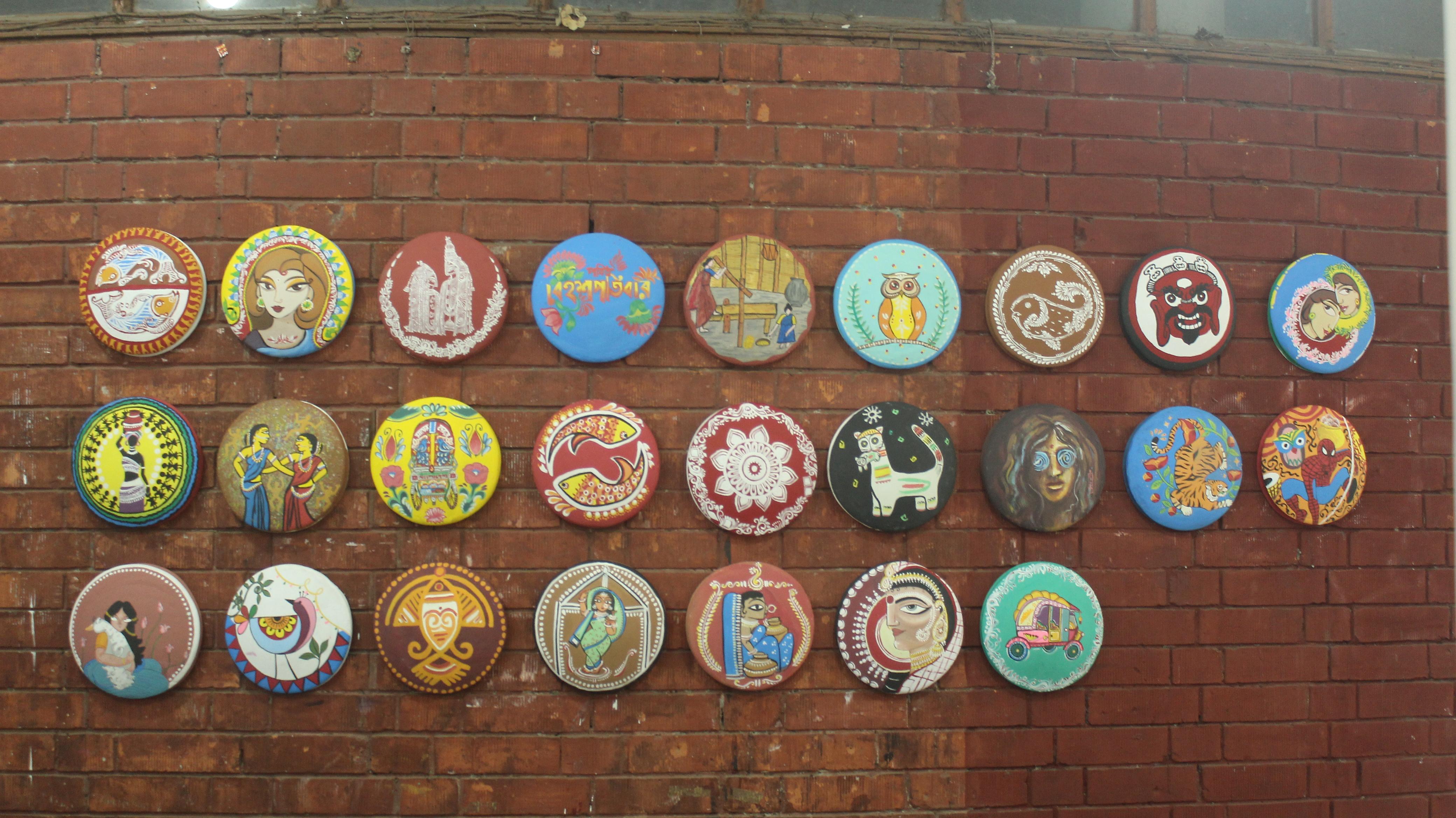
Masks of tigers, owls, or different characters are very popular in the Bengal Delta. They often represent the fight against evil. As the country has a history of long struggle to uphold human rights and justice, these artworks work as a tribute, at the same time, a symbol of the 'spirit of the resistance' of the nation.
Hand-painted clay items are also important. Pots and small items are being decorated with painted flowers, birds, and village scenarios. Things like this show the beauty of Bengal's folk art. Many artisans work together to create these items.
Hidden face behind the celebration
During Boishakh, the city becomes full of colour. The large artworks and masks attract everyone's attention, but the artisans' hard work often goes unseen. Abeda Pavin Sneha, who is studying at a private university in Dhaka, feels deeply connected with the celebration. She says, "For more than a decade, I have lived abroad and celebrated the festival with the Bengali community. This year, seeing all the arrangements, I feel very emotional and connected that as a nation, how culturally rich we are."
To fill the hearts of people like Sneha, many artisans come here every year just for this event. Even with pressure and limited time, they give their best effort. Because of them, the shobhajatra continues to grow every year and keeps Bengali culture alive. Behind the bright and joyful celebration are the quiet stories of these hardworking people, without whom the festival would not be complete.
sumaiyariva1120@gmail.com