


Bangladesh and India used the occasion of the 77th anniversary of India’s Republic Day to publicly reaffirm the depth of their bilateral relationship, highlighting shared history, expanding energy and connectivity links, and the importance of addressing challenges through sustained dialogue.
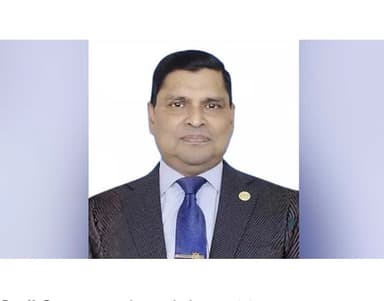
Speaking in Dhaka, Bangladesh’s Adviser for Communication and Energy, Fouzul Kabir, described India as Bangladesh’s “closest neighbour” and emphasised that relations between the two countries are grounded in shared history, geography, and cultural ties. He recalled India’s role during Bangladesh’s 1971 War of Independence, calling the contribution of the Indian people “crucial” and enduring.
“Our relationship was forged during the glorious War of Independence in 1971, and we will always remember the contribution of the people of India,” Kabir said, framing the bilateral bond as one that extends beyond governments to societies and citizens.
Kabir stressed that Dhaka remains committed to advancing relations through a people-centric approach, placing public welfare at the core of cooperation. While acknowledging that challenges exist, as in any bilateral relationship, he said experience had shown that both countries had repeatedly overcome difficulties in the greater interest of their peoples.
“It is important that we approach these challenges as opportunities for renewed dialogue,” he said, signalling Bangladesh’s preference for engagement rather than confrontation.
The adviser also underlined Bangladesh’s commitment to regional cooperation, reiterating its support for the South Asian Association for Regional Cooperation (SAARC). He said Bangladesh envisions a peaceful and prosperous South Asia and remains willing to work with all regional countries to revitalise cooperation mechanisms that have long been stalled by political tensions.
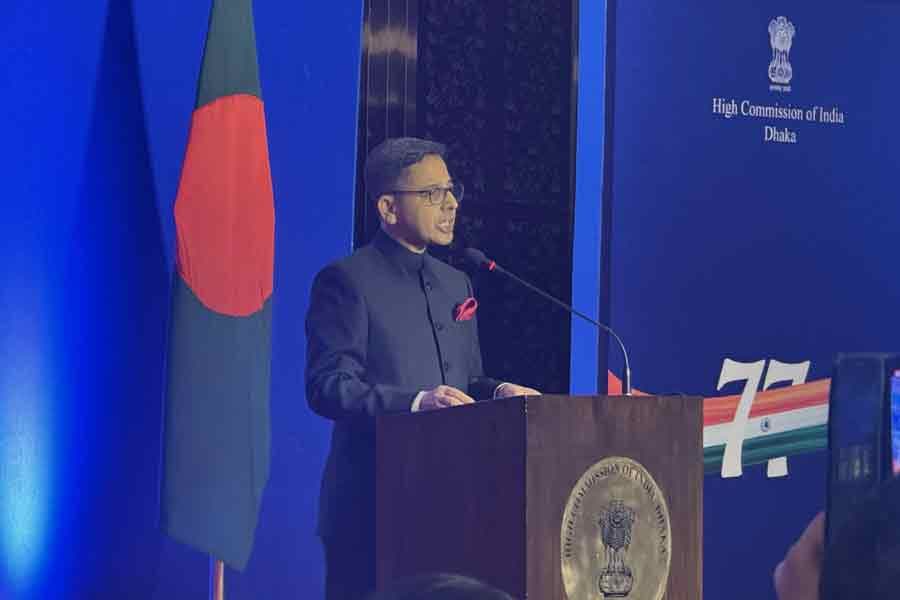
India’s High Commissioner to Bangladesh, Pranay Verma, echoed these themes, pointing to concrete examples of how bilateral cooperation has translated into tangible benefits. He highlighted cross-border energy projects, including the pipeline transporting high-speed diesel from an Indian refinery to Bangladesh, and power transmission lines that connect Bangladesh to electricity generated in both India and Nepal.
“These are examples of how we have together laid the foundations of energy connectivity, leading to regional economic integration,” Verma said, describing the growing interdependence between the two economies as part of a rapidly transforming connectivity landscape.
Verma argued that such projects have brought businesses and societies closer together, reinforcing mutual trust and shared interests. He said the success of existing initiatives should encourage both sides to pursue more ambitious and future-ready collaborations, particularly in technology, innovation, and sustainability.
Looking ahead, the Indian envoy portrayed Bangladesh and India as potential catalysts for each other’s sustainable growth, capable of building regional value chains, shared digital ecosystems, and interconnected energy corridors. He stressed the importance of ensuring that South Asia’s energy future is “clean, affordable and secure”, including joint efforts to address climate change and environmental sustainability.
“Our geographical proximity can be transformed into economic opportunity,” Verma said, arguing that cooperation between the two countries could serve as an anchor for broader regional integration.
In a politically significant remark, the high commissioner reiterated India’s support for a “democratic, stable, peaceful, progressive and inclusive Bangladesh”, at a time when the country is undergoing political transition and institutional reform under an interim administration.
mirmostafiz@yahoo.com