

Bangladesh has pledged a “zero tolerance” approach to irregular migration following the recent deaths of Bangladeshi migrants attempting to cross the Mediterranean Sea on the perilous Libya–Italy route, as officials warned that Europe’s asylum rules are set to become significantly tougher from next year.
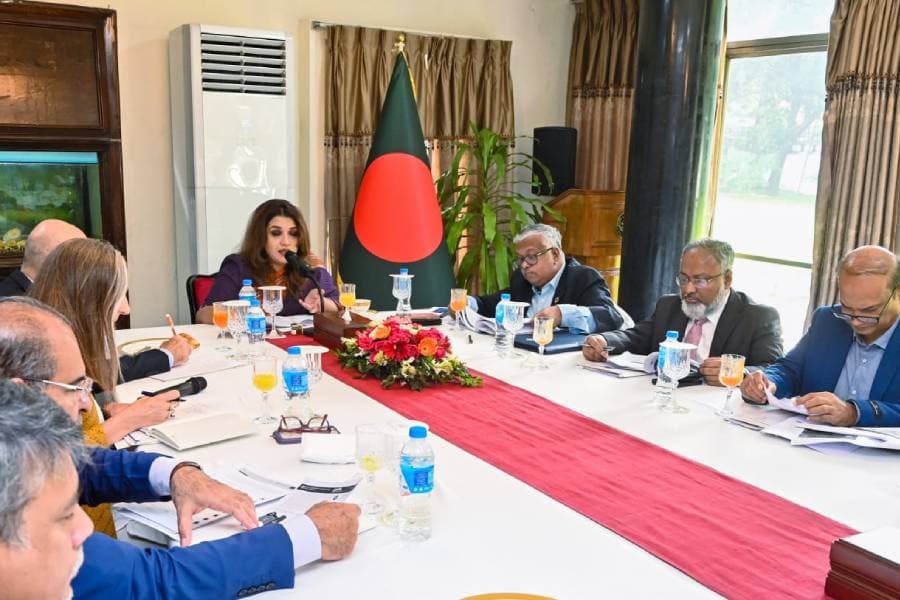
The warning came during a high-level meeting on migration and mobility held at the State Guest House Padma in Dhaka on Monday at the initiative of the foreign ministry, amid mounting concern over the growing number of Bangladeshis risking dangerous sea journeys in search of work and residence in Europe.
The meeting, chaired by state minister for foreign affairs Shama Obaed Islam, brought together senior government officials, the Italian ambassador to Bangladesh, Libya’s chargé d’affaires ad interim, and the chief of mission of the International Organization for Migration (IOM) in Dhaka.
Officials said the discussion focused on the recent fatalities involving Bangladeshi migrants in the Mediterranean and the wider challenge of curbing human trafficking and irregular migration networks operating along the Bangladesh–Libya–Italy corridor.
Addressing the meeting, the state minister reaffirmed the government’s commitment to tackling illegal migration under the administration led by prime minister Tarique Rahman.
She warned that syndicates involved in trafficking and facilitating irregular migration would face strict legal action.
“The government maintains a zero-tolerance stance against illegal migration and those exploiting vulnerable people through dangerous and unlawful routes,” she said, according to officials present at the meeting.
The issue has gained urgency as hundreds of Bangladeshis continue to undertake risky journeys through north Africa despite repeated warnings from authorities and international agencies about trafficking, detention, abuse and death at sea.
Diplomatic officials at the meeting also highlighted looming changes in European migration policy that could further complicate the situation for undocumented migrants.
The Italian ambassador informed participants that the European Union is expected to introduce a new regulation on asylum and migration in June 2026, under which asylum procedures are likely to become more restrictive, making it harder for irregular migrants to secure legal status in Europe.
The prospect of tighter asylum rules has raised fears that more migrants could become trapped in precarious conditions in transit countries such as Libya, where human rights organisations have repeatedly documented abuses against migrants and refugees.
Participants at the meeting stressed the need to expand safe, orderly and regular migration pathways as an alternative to dangerous irregular routes.
Officials discussed measures including skills development, language training and closer coordination with employers in destination countries to create employment-linked migration opportunities for Bangladeshi workers.
The meeting underscored the importance of aligning vocational training with overseas labour market demand and establishing migration frameworks that guarantee employment before departure.
Diplomats and migration experts argued that improving legal migration opportunities could reduce the appeal of traffickers and smuggling networks that often lure migrants with false promises of work and residency in Europe.
The state minister also called for stronger engagement with the Bangladeshi diaspora, saying overseas Bangladeshis could contribute not only through remittances but also through investment, expertise and innovation.
She said the government wanted to encourage expatriate Bangladeshis to contribute to national development in line with the “Bangladesh First” vision promoted by the prime minister.
The meeting concluded with participants agreeing to continue working in close coordination to combat irregular migration while promoting a humane and rights-based migration system.
Officials said cooperation between governments, international organisations and destination countries would remain essential to ensuring safer migration pathways and preventing further tragedies in the Mediterranean.