

Trade disruption feared as crime surges at Jashore's Nawapara port
Published :
Updated :
 For all latest news, follow The Financial Express Google News channel.
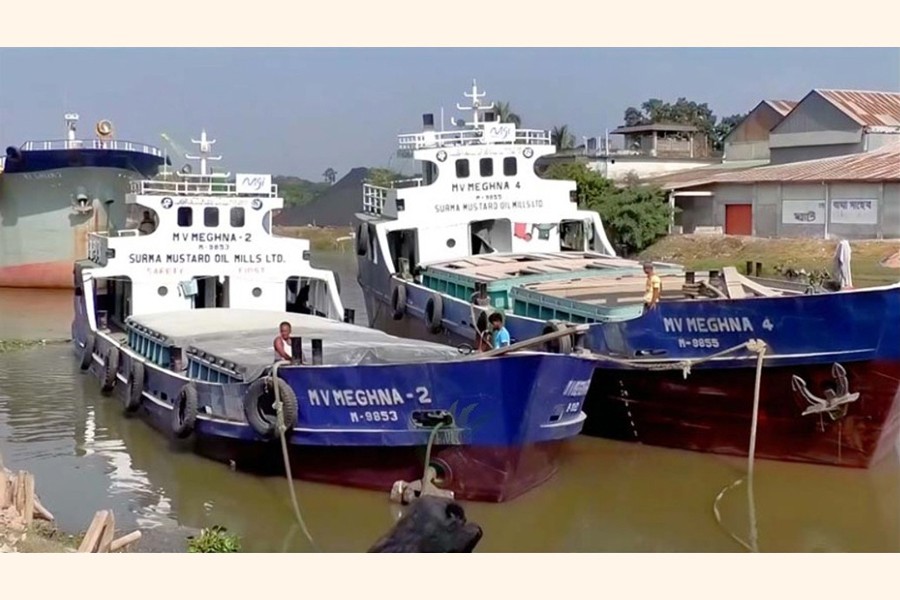
BENAPOLE, Feb 26: Organised criminal groups have been committing robberies and theft every day from cargo vessels anchored at the Nawapara river port in Jashore's Abhaynagar Upazila. The port now stands at the centre of an estimated Tk 250 billion economic activity, with the movement of more than 5,000 barges, cargo vessels and lighter ships.
Built along the banks of the Bhairab River, the port is one of the most important commercial hubs in the country's southwest region, which remains bustling year-round.
Imported goods such as fertiliser, wheat, coal and stone arrive here in smaller vessels from the Mongla Port. Products transported by land from India through Benapole and Darshana are also temporarily stored at Nawapara. Each year, imported goods worth approximately Tk 150-200 billion pass through the port to different parts of the country. In addition, it serves as a major domestic trading hub valued at nearly Tk 50 billion.
However, as night falls, organised criminal groups reportedly become active at various jetties of the port. Local miscreants and drug addicts allegedly board anchored vessels, turning them into places of robberies, drug abuse and theft. In some cases, crew members are held captive and goods looted, masters, helmsmen and labourers working on the vessels say.
Stretching from Chengutia in Abhaynagar to Phultala in Khulna, nearly a hundred jetty points remain occupied by vessels waiting to unload cargo. A single vessel often has to remain anchored for 10 to 12 days, sometimes longer. Criminals exploit this prolonged waiting period, taking advantage of poorly lit riverbanks and the lack of adequate patrols along the Bhairab.
Workers and helmsmen associated with the port say the situation changes drastically after evening. The busy jetties of daytime commerce turn into zones of fear at night. A few individuals board vessels and initially make attempts of casual conversation. Soon after, they reportedly take over cabins and begin consuming drugs.
Moniruzzaman Manik, a labour leader, alleged that small and large incidents of theft or mugging occur almost daily. Drug addicts are using vessel cabins as safe shelters. When workers protest, they are attacked. Mobile phones,
cash and personal belongings are frequently snatched. Many victims refrain from filing com
plaints out of fear.
Helmsman Lovlu Hossain said vessels anchored for long periods effectively become "floating warehouses." Organised gangs
target not only personal items but also cargo. Diesel, lubricants, fertiliser, cement, coal, wheat and maize - whatever they find are reportedly siphoned off. Even valuable machinery parts and metal equipment from vessels have been stolen. Crew members face death threats if they attempt to resist. "Staying on a vessel at night now means constant risk," he said.
Business leaders linked to the port have expressed deep concern, warning that continued insecurity could damage Nawapara's commercial reputation. The lightering process -- transferring goods from large vessels to smaller ones for unloading -- depends heavily on safety and trust. If masters and shipowners consider the port unsafe, they may choose alternative routes.
Business leader Nur-e-Alam Patwari said theft and robbery aboard cargo vessels have become routine. In many instances, crew members have been assaulted. Traders are receiving complaints almost daily, he said, adding that the matter has been reported to the river police and local administration, but no effective remedy has yet been ensured.
"To sustain the port-centric economy, criminals must be brought under control," he said.
Mohammad Shahjalal Hossain, president of the Jashore district committee of the Fertiliser Importers' Association, warned that rising crime could discourage traders. Around 400-500 cargo vessels anchor at various points along the Bhairab River daily. If security continues to
deteriorate, masters and crew members may refuse to come here, severely harming the entire trading hub. He called for immediate and effective action.
Each year, the imported goods Nawapara handles, include chemical
fertiliser, coal, food grains and stone. These are distributed to districts across the north, south and southwest regions of the country. More than 1,000 trucks transport goods by road daily, while engine-driven trawlers carry cargo via river routes. Nawapara is therefore not just a river port but a central node in an integrated supply chain.
Despite the massive economic activity, infrastructure development has remained limited. Established in 1990, the port stretches about 12 kilometres. Even after more than three decades, stakeholders allege that adequate security infrastructure, proper lighting, CCTV surveillance and regular patrol arrangements have not been put in place. The widely scattered jetties along the river remain largely exposed, making it difficult to identify and prevent criminal activities.
Port authorities have acknowledged the problem, saying discussions have been held with traders and relevant stakeholders. Written notifications have been sent to the river police and local law enforcement agencies seeking necessary measures.
Mohammad Masud Parvez, deputy director of the Port and Transport Department of Khulna River Port, said efforts are underway to bring the situation under control swiftly.
benapolejessore@gmail.com