


Danish Refugee Council (DRC) Secretary General has visited Cox’s Bazar recently, as funding cuts have deepened the Rohingya crisis, including the rise of risky sea voyages in search of a better life.
More than 2,800 Rohingya have attempted dangerous sea journeys in the first weeks of 2026, as reduced humanitarian assistance, the absence of durable solutions, and deepening camp conditions push desperate families towards the sea, said DRC in a statement.
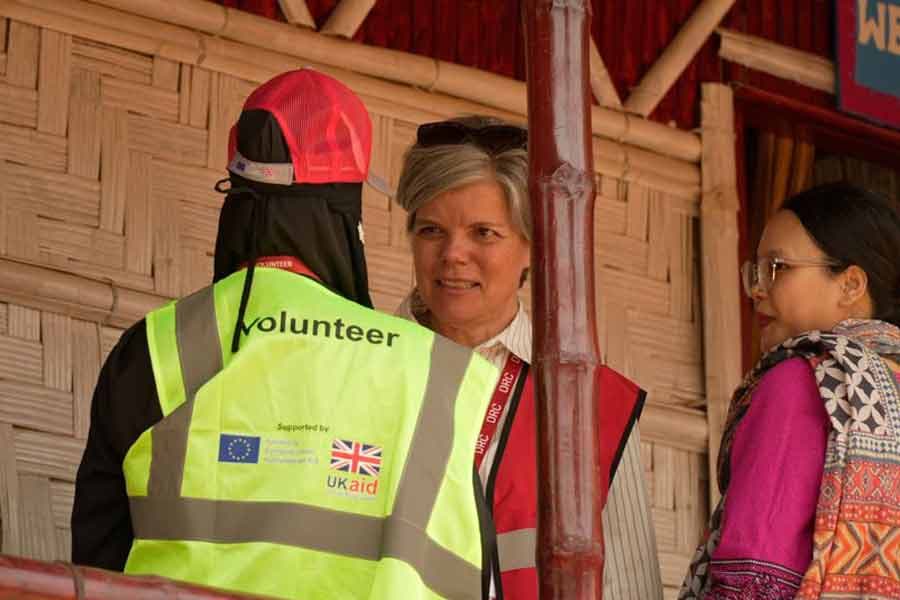
The DRC chief Charlotte Slente concluded a high-level mission to Cox’s Bazar, Bangladesh, meeting with government officials, humanitarian partners, and Rohingya refugees and host community members in the camps and surrounding areas.
The visit comes at a critical moment for one of the world’s largest and most protracted refugee crises, as humanitarian funding falls sharply, protection conditions deteriorate, and an increasing number of Rohingya are risking their lives at sea.
The 2026 Rohingya Joint Response Plan (JRP) requires USD 698 million to meet the needs of 1.56 million people, refugees and host community members alike.
Yet the response has been chronically underfunded: the JRP was funded at just 52 per cent in 2025, down from 64 per cent in 2024. The consequences are being felt across every sector of the response.
Nearly 230,000 Rohingya children were affected by the closure of learning centres in 2025, and while some services have partially resumed, close to 90 per cent of Rohingya youth remain excluded from education and skills training.
“Walking through the congested shelters, the reality is stark: living conditions are deteriorating, and protection issues are visibly on the rise,” said Charlotte Slente, following her field visit to the camps last week.
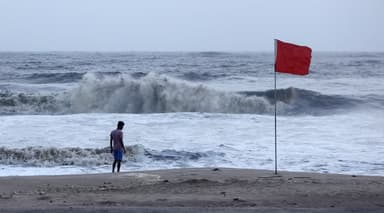
The dangers of the response’s structural failures are now appearing in the waters of the Bay of Bengal and the Andaman Sea.
In 2025, nearly 900 Rohingya were reported missing or dead at sea, making it the deadliest year on record for maritime crossings in South and South-East Asia, according to the organization.
More than 6,500 Rohingya attempted perilous sea journeys in 2025, with one in seven reported missing or dead – the highest mortality rate of any major maritime route in the world. Over half of those attempting these crossings have been women and children.
The trend has continued into 2026, with more than 2,800 Rohingya undertaking dangerous sea crossings between January and mid-April alone, the statement read.
“The international community must stay engaged,” Slente said.
“We must move beyond just life-saving aid to finding sustainable, long-term solutions, including livelihood investments that also support the generous Bangladeshi host communities. We must remind the world that the Rohingya crisis is not over,” she stated.