

Abul Kalam Azad, sentenced to death for 1971 war crimes, surrenders to tribunal
 For all latest news, follow The Financial Express Google News channel.
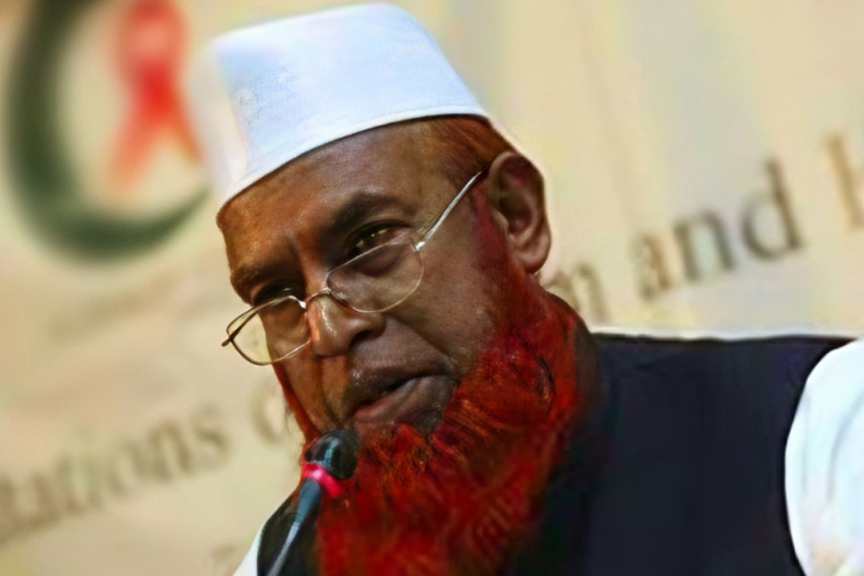
Abul Kalam Azad, a fugitive convicted of war crimes in 1971, has surrendered to the International Crimes Tribunal.
He appeared before the tribunal on Wednesday and submitted an application for his surrender, the tribunal's Prosecutor Gazi MH Tamim said.
Prosecution officials said he subsequently left the tribunal after submitting his application as no hearing was held, bdnews24.com reports.
Former Jamaat-e-Islami leader Azad was sentenced to death in the first verdict in a 1971 crimes against humanity case by the International Crimes Tribunal under the Awami League government on Jan 21, 2013.
He was found guilty of killing 14 people, raping three women, kidnapping nine people, detaining 10 people, setting fire to five houses, and looting 15 more during the Liberation War.
The ICT-2 bench, led by Justice Obaidul Hassan, sentenced him to death by hanging after he was found guilty on seven of eight charges.
Azad had been absconding since the case was opened and did not get the opportunity to appeal within the stipulated 30 days after the verdict.
A lawyer for the International Crimes Tribunal said in 2015 that they had received information that Azad had been living in different countries in Europe under the “protection” of the Pakistan branch of Jamaat.
After the fall of the Awami League government in the 2024 July Uprising, news of Azad's return to Bangladesh via Pakistan in March 2025 was reported in some media outlets. He then petitioned the Ministry of Home Affairs under Section 401 of the Code of Criminal Procedure for a stay of execution.
In that application, his sentence was suspended for one year on the condition that he surrender to the court and file an appeal of his verdict.
The tribunal said in its verdict that Azad, born on March 5, 1947 in Barakhardia village in Faridpur, studied at Rajendra College. He was a close associate of Ali Ahsan Mohammad Mujahid, the president of the then student wing of Jamaat - the Purba Pakistan Islami Chhatra Sangha.
The court said Azad cooperated with the Pakistani Army in criminal activities until the Razakar forces came together formally to cooperate with the Pakistanis during the Liberation War.
On April 21, 1971, he is said to have “joined anti-independence forces” and “welcomed” the Pakistani Army to Faridpur. Azad was in charge of the local Razakar and Al-Badr forces.
The tribunal's verdict stated that he, along with the Pakistani Army, carried out brutal persecution of the local Hindu community and the pro-independence Bengali population.