

 For all latest news, follow The Financial Express Google News channel.
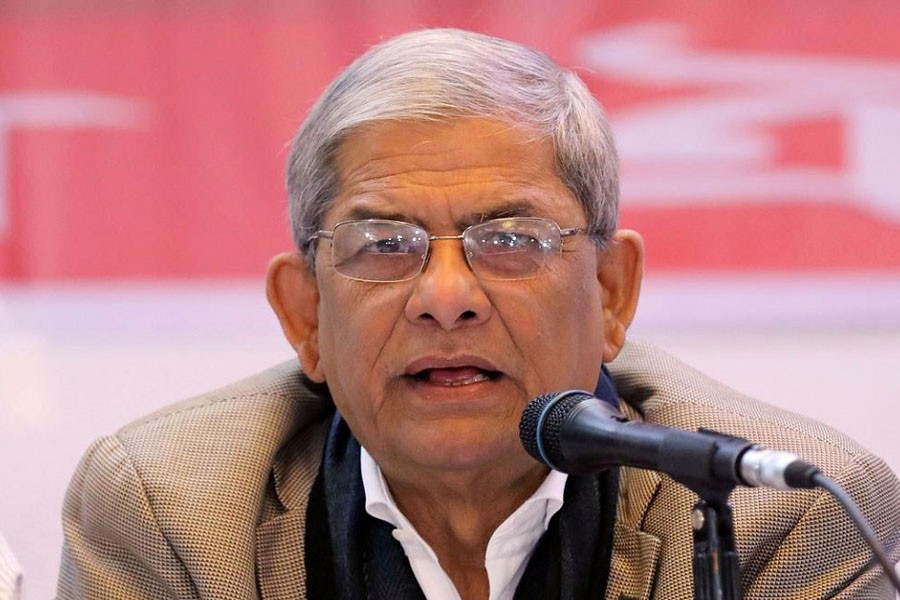
Relations between India and Bangladesh can and should move beyond the issue of Sheikh Hasina, BNP Secretary General Mirza Fakhrul Islam Alamgir has told Indian news magazine The Week, reports bdnews24.com.
In response to a question on the ousted prime minister during an interview published online on Sunday, Fakhrul said:
“She is a factor, but not an insurmountable one. Sheikh Hasina created this crisis by dismantling democratic institutions and centralising power. In the long run, she will not remain relevant in politics. Relations between India and Bangladesh can and should move forward beyond her.”
Asked about what issues must be resolved between the neighbours amid recent tensions, he said:
“First, water-sharing issues must be resolved sincerely, not just discussed. Second, border killings must stop. This is unacceptable in any civilised society. Third, trade issues need fair handling. The recent cricket-related incident was unfortunate and unnecessary. It triggered reactions on both sides. These matters should be addressed through immediate dialogue, keeping sovereignty, self-respect and mutual trust in mind.”
Fakhrul described Indian Minister of External Affairs S Jaishankar’s visit following the death of former prime minister and BNP chief Khaleda Zia as “a positive gesture”.
The veteran BNP leader also discussed the upcoming election and the enthusiasm for it.
“People in Bangladesh want an election that is free, fair and participatory,” he said. “For nearly 15 years, citizens were effectively denied their right to vote. There is an entire generation -- young people between 18 and 30 -- who have never truly experienced voting. Naturally, there is strong aspiration among voters to finally exercise that right. I believe voter turnout will be quite good. I do not anticipate any major unrest or serious obstacles that could undermine the election process.”
He also gave his opinion on BNP’s relationship with its biggest challengers in the polls, the 11-party alliance led by Jamaat-e-Islami and including the National Citizens Party (NCP).
Fakhrul said that, despite previous alliances, the BNP does not have an agreement with Jamaat and does not see the party being part of a BNP-led national government.
Asked why the party had not allied with the NCP itself, he said: “We tried. But the NCP demanded a large number of seats, which was not feasible. We are confident our candidates can win those seats, but we are not sure NCP candidates can win with a completely new symbol. In Bangladesh, symbols matter a great deal in elections.”
Though some candidates previously associated with the Awami League are running as independents, the BNP secretary general said he does not believe the party’s absence will significantly impact the election.
“Ideally, they should have re-emerged with new leadership and a new image, but that did not happen, and now there is no scope for it, as [Hasina] does not allow alternative leadership within the party.”
The return of Tarique Rahman from self-imposed exile in London to lead the BNP has given the party a huge boost, he said:
“There is tremendous momentum. His return has created genuine excitement, particularly among young people. In his first address, he laid out a clear vision focused on human development. He emphasised women’s empowerment, farmer welfare and employment.”
He also spoke of the reforms and policies that are part of the BNP’s election manifesto.
“The proposed farmer card system would ensure fair prices for inputs and better returns for produce. He [Tarique] committed to creating employment for at least one crore young people within 18 months and outlined mechanisms to achieve this. Judicial independence is another core commitment. Press freedom will be fully restored. On constitutional reform, he proposed limiting the prime minister to a maximum of two terms and establishing a balance of power between the prime minister and the president. Education reform will focus on need-based schooling and merit-based higher education. Health care reform is also central, with a commitment to building an effective and accessible health system,” he said.